
Frizzy hair extensions—frustrating, right? But why does it happen? In this article, we’ll unravel the mystery behind those flyaways, show you how to fix them, and reveal how you can actually use frizz to spot the difference between premium hair and chemically processed floor hair. Time to turn that frizz into your secret weapon!
Table of Contents
Frizzy Hair? Blame the Cuticles
When hair is cut directly from a donor’s head, the cuticles all point in the same direction—key to keeping the hair smooth and tangle-free. If the cuticles aren’t aligned, you get tangles, which is why some manufacturers use an acid bath to strip some of those cuticles away. But here’s the catch: that acid bath damages the hair. Damaged hair is porous and loses its natural moisture, which is why it gets dry and frizzy.
Now, while frizzy hair can help you channel your inner 80s glam with some extra volume, it’s usually more of a “bad hair day” situation, requiring constant work to tame it.
So, if you’ve just bought shiny, smooth, non-frizzy hair extensions, don’t be fooled—your manufacturer has likely loaded them up with products to keep the frizz at bay. But as soon as you wash them, those products wash away, and, surprise!—frizz sets in. That’s the sign of hair that’s been processed and damaged.
On the flip side, cuticle-intact, 100% unprocessed hair extensions (the real deal) will stay smooth and frizz-free, even after a wash. So, if you’re looking for hair that stays sleek without the frizz drama, go for the good stuff.

The Washing Test: Let the Frizz Reveal the Truth
Frizzy hair extensions aren’t just annoying—they’re a dead giveaway that the hair has been processed and damaged. And the best part? You can use this to your advantage. Just wash the hair and see what happens. If it turns into a frizzy disaster, it’s not 100% unprocessed raw hair—probably not even close
In the video below, we put this to the test with three bundles: one with intact, aligned cuticles (white rubber bands), one mixed with processed and unprocessed hair (yellow rubber bands), and one made of fully processed floor hair (red rubber bands). Spoiler: the more damaged the hair, the more frizz you’ll see.

When paired with the acetone and bleaching tests, this simple washing trick is a must for evaluating your hair extensions the moment they arrive. Let the frizz reveal the truth!
Caveats
Hair manufacturers love to use silicone products on extensions, and why wouldn’t they? Silicone gives bundles that glossy, “wow” factor when they first arrive. It’s applied to both unprocessed and processed hair, and while it’s not inherently bad, it can hide the true nature of damaged or processed bundles. So, before testing your hair bundles by washing them, shampoo thoroughly—multiple times—to strip away any lingering silicone or product buildup.
Indian hair isn’t my expertise, but one thing I’ve heard time and again is that it tends to get seriously frizzy. The reality is that around 80% of India’s population lives in poverty, which isn’t exactly a recipe for optimal hair health. Add to that the fact that Indian hair is naturally finer than the coarser, more damage-resistant strands from other regions, and you’ve got hair that’s more prone to frizz and wear.
While temples in India collect tonsured raw hair, not all of it is the silky, healthy dream material you might imagine. So, if your raw Indian hair gets frizzy after a wash, don’t jump to conclusions. It doesn’t necessarily mean it’s processed floor hair—it might just be raw hair that’s not in the best shape to begin with.
How to Prevent Damage (and Frizz) in Hair Extensions
The best defense against frizz starts with your purchase—opt for unprocessed hair extensions from a trusted supplier. This type of hair is largely undamaged and far less likely to frizz. But even with high-quality extensions, prevention is key. Proper care is essential to keep your extensions smooth and fabulous.
-
Product on sale
 Orange Line Loose Wave BundlesFrom $35.80
 -
Product on saleOrange Line Curly BundlesFrom $35.80
-
Product on saleOrange Line Body Wave BundlesFrom $33.80
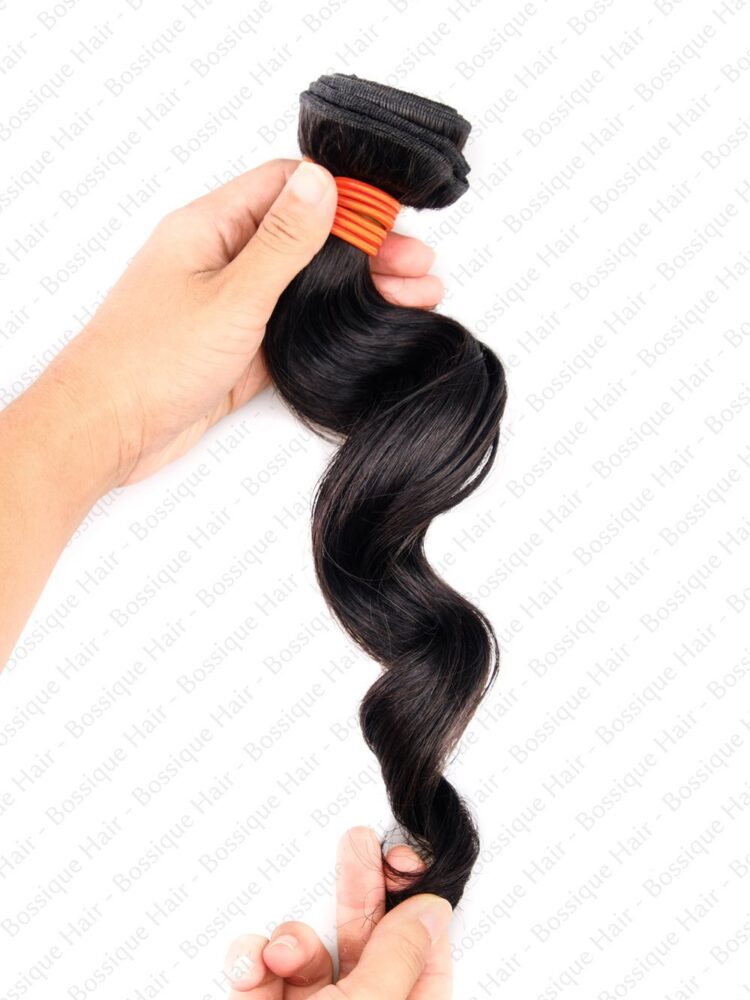
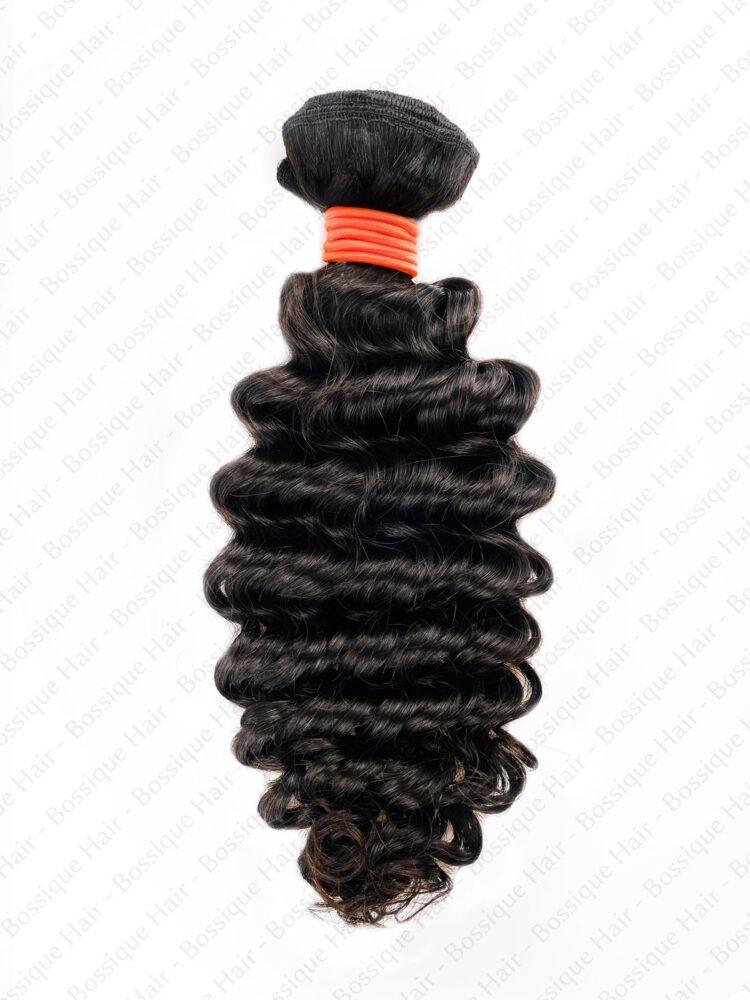
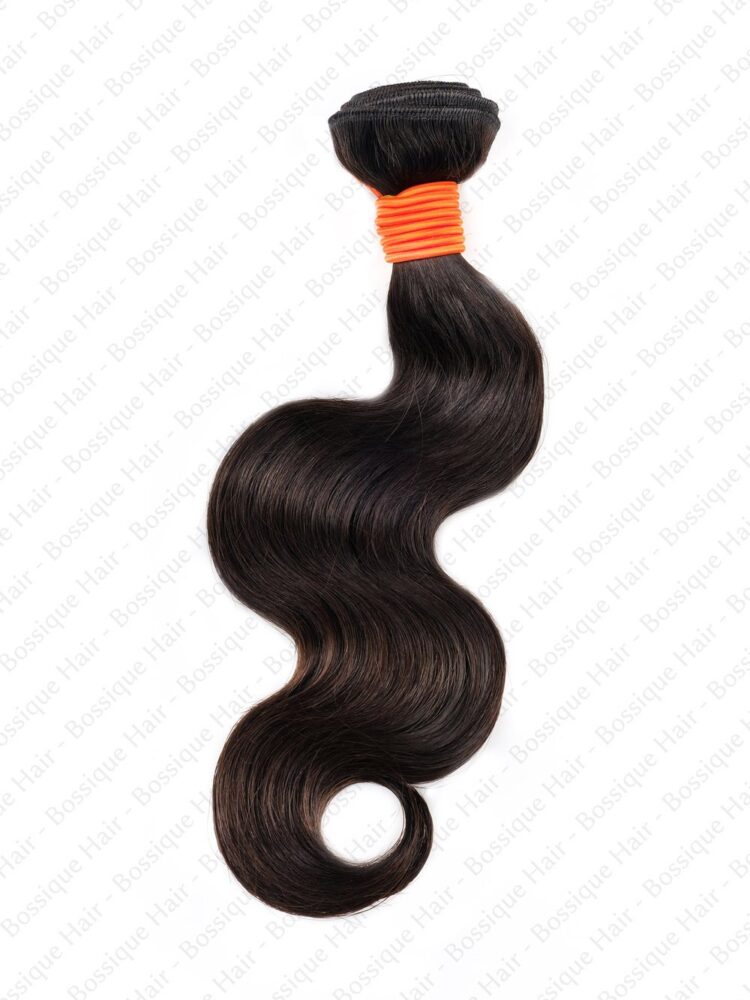
Avoid the Heat
High heat is one of the biggest culprits behind damaged, frizzy hair. Temperatures above 300°F can weaken your hair, making it dry, brittle, and prone to breakage. To avoid this, stick to a safer range of 200-300°F when using hot tools.
Another must-have? A good heat protectant spray or cream. These products act as a barrier between your hair and styling tools, reducing the risk of damage while still allowing you to achieve your desired look. They can be applied to wet or dry hair, so there’s no excuse to skip this step.
Keep in mind, heat damage is cumulative. The more you use high temperatures on your hair, the more moisture and strength you lose, leading to long-term frizz and damage. Keep your hot tool usage to a minimum to maintain smooth, healthy locks.
Don’t Overprocess Your Hair
Overprocessed hair happens when you overuse dye, bleach, perms, or relaxers. The strands become porous, brittle, and difficult to style or maintain. And here’s the harsh truth: all visible hair is made of dead cells, so once it’s damaged, it can’t fully bounce back. Handle your hair with care—it’s easier to protect than to fix!

How to Tame Frizzy Hair Extensions
Frizz in hair extensions is often caused by irreversible damage. Once the protein bonds snap and the cuticles crack, the hair’s inner cortex is left exposed, resulting in brittleness, elasticity issues, and that dreaded frizz. But don’t panic! While you can’t magically heal the damage, you can manage the frizz and bring your extensions back to looking fabulous.
Hydrate and Protect
First things first: damaged hair is thirsty. Moisture is the secret sauce, so start with a sulfate-free shampoo. Why? Because sulfates strip away natural oils, leaving hair parched and prone to frizz. Think of them as your hair’s worst enemy. Skip the heat tools too—your straighteners and curling irons are just adding fuel to the fire. And please, no alcohol-heavy hair products; they’re like giving your hair a one-way ticket to Splitsville.
Conditioner is the hero your hair needs. It rehydrates the strands and closes those unruly raised cuticles, giving you a smoother, shinier finish. Want to go the extra mile? Treat your extensions to a deep conditioning session. Leave-in conditioners and moisturizing hair masks are also excellent sidekicks. For that final touch, lock in the moisture with a lightweight oil—it’s like putting a lid on your hair’s hydration jar.
Now, let’s talk about how to quench that thirst. Conditioner is your BFF when it comes to taming frizz. It hydrates the hair and smooths the cuticles, giving you a sleeker, more polished look. Deep conditioners are like the big guns—leave them on longer for extra hydration. Leave-in conditioners and moisturizing hair masks? Absolutely, pile them on. Want to lock all that goodness in? Add a lightweight oil to seal the deal and protect your strands from environmental dryness.
Styling and Maintenance Tips
Still battling frizzy hair? Try styling products with a bit of hold to keep those flyaways in check throughout the day. Still not enough? Silicone-based products might be your saving grace. While they’re not a permanent fix, they’re great for smoothing hair and taming frizz when you’re in a pinch.
When dealing with damaged hair, those miracle “bonding” products that claim to repair it might come to mind. But proceed with caution. If they do manage to fix your hair, it’s through chemical processes—and chemically altering already damaged hair is rarely a good idea. It often leads to more trouble down the line. Use these products sparingly, if at all.
Still struggling? If the frizz is mostly at the ends, there’s a simple solution: grab the scissors. Split ends love to travel up the hair shaft, spreading their chaos. Trimming just an inch or two can make a world of difference, leaving your extensions looking healthier and far less frazzled.
Our articles are created to help you make smarter purchases and save money. If you’ve found them helpful, we’d greatly appreciate it if you shared them with your friends, family, or in your favorite online groups. Your support helps us reach more people and keep producing high-quality content.
Have questions? Contact us directly on WhatsApp or iMessage at +86 135 3369 3283, or email me at cristina@bossique.com. Many of our articles originate from discussions on our Facebook page. We’d love to hear from you!
Try Before You Buy
Curious about our quality? Order a free hair sample today!
- Our Black Line may become frizzy after washing, while our Orange Line stays smooth.
Discover Our Products
We offer a large selection of high-quality hair products. Follow us on Instagram to explore our collection and stay updated.
Hair Cheat Sheet
Why Do Hair Extensions Get Frizzy?
Hair extensions get frizzy when damaged by processing methods like acid baths, bleaching, or dyeing. These processes strip or misalign the cuticles, leaving the hair porous, dry, and prone to losing moisture, which leads to frizz.
How Can You Test for Hair Extension Quality?
Wash the hair. Hair becoming frizzy after washing indicates processed or damaged extensions. Unprocessed, cuticle-intact hair stays smooth.
Do Silicone Products Help With Frizzy Hair?
Yes, silicone-based products temporarily smooth frizz and tame flyaways, but they don’t fix the underlying damage.
Are Bonding Products Good for Damaged Extensions?
Use caution. Bonding products chemically repair hair but can cause more issues over time. Use sparingly.