
If you’re looking to buy high-quality human hair extensions, you’ve probably heard the term “ethically sourced hair.” This means the hair comes from willing donors who were fairly compensated. But it’s hard to be sure this is true. How can consumers know that the hair extensions they buy really meet ethical standards and aren’t a result of exploitation or deception?
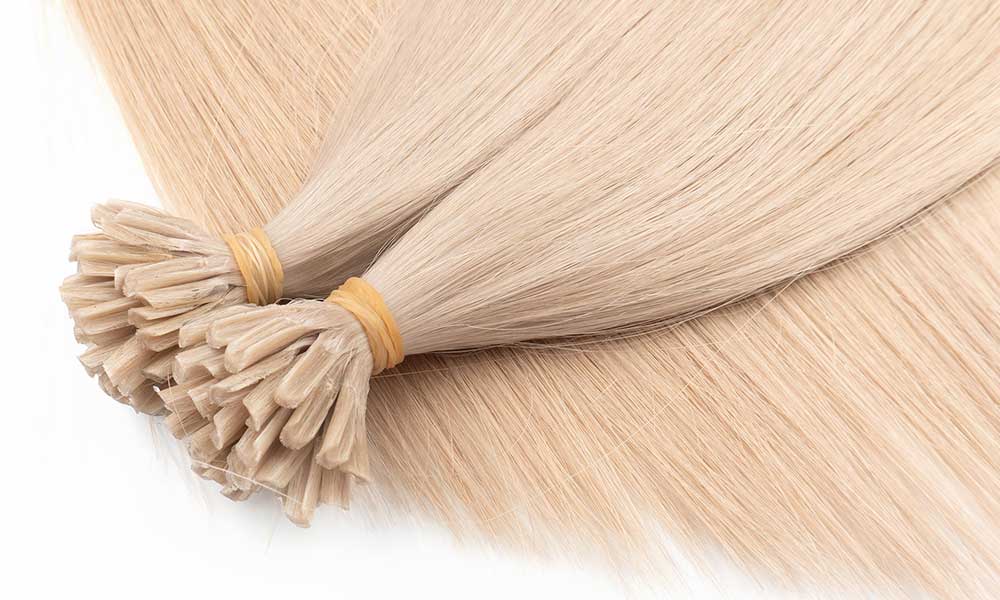
Table of Contents
1: The Illusion of Ethical Sourcing
In the hair extension market, the term “ethically sourced” often creates an illusion of integrity and fairness. However, this label can be misleading and a marketing tactic.
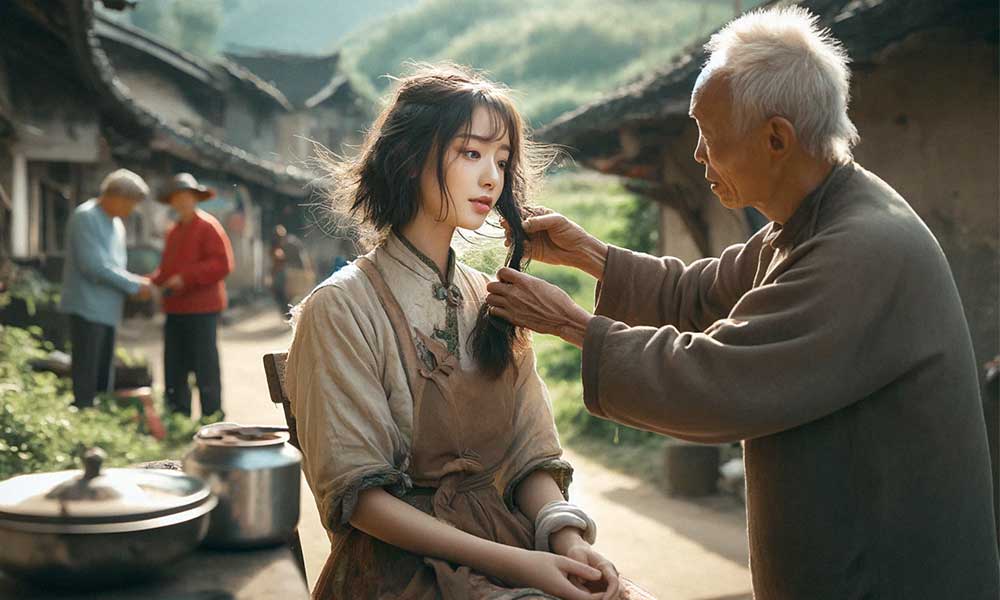
For instance, sellers may showcase videos of hair collectors going to individual women and giving fair compensation to them in exchange for their hair. However, when cameras stop rolling, there’s no way to really know what’s going to happen.
However, you can imagine that a larger factory might require several hundred kilograms of hair every month. This amount is too much for a single person to collect, so the factory will have to rely on a larger network of hair collectors. As a result, it quickly becomes impossible to track where each hair collector receives their hair from.
Resellers who have built a larger clientele often cannot rely on a single source and must instead obtain products from multiple factories. You can sometimes notice it when their own hair extension products no longer match their own color ring.
On a larger scale, resellers who have built a larger clientele often can no longer throw their eggs in one basket and thus have to source from multiple factories. You can sometimes notice that a single retail company’s hair might not even match the colors of its own color ring.
The superficial approach to ethical sourcing creates a false sense of assurance for consumers. Therefore, it’s important to approach claims of ethical sourcing with skepticism and critical thinking. While it may sound good, the reality behind the scenes can be much murkier.
2: Quality vs. Ethics: Finding the Balance
Every year in China, there are two major hair exhibitions where close to a thousand suppliers showcase their products.
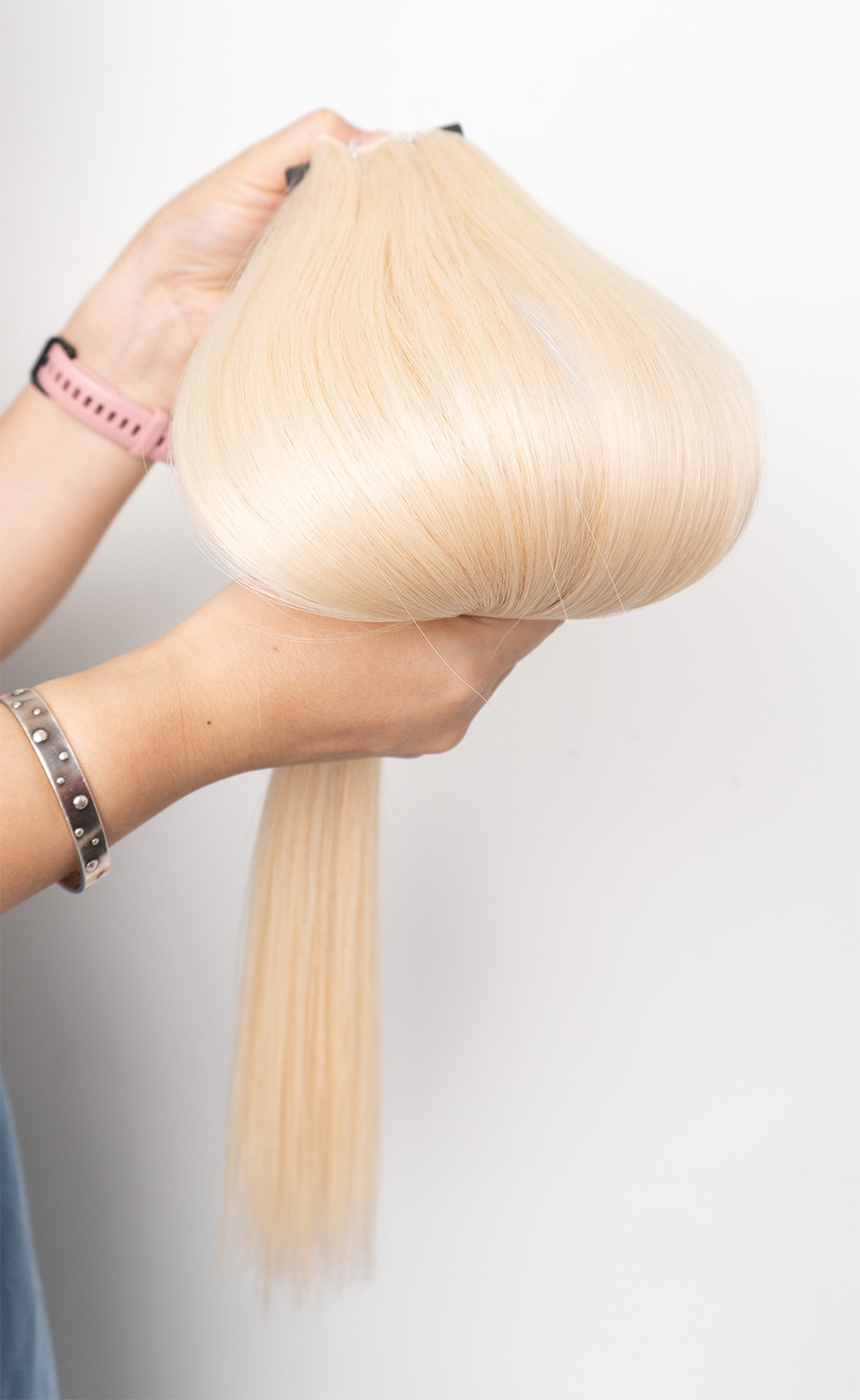
When I’m looking for the best quality white people’s hair extensions, out of the few hundred sources, only about 8 suppliers have the quality of hair extensions that I would define as A-grade. Perhaps 3 are A-, 3 are 3A, and 2 are A+. Everything else is just a B-grade or lower.
Then, I would consider the minimum order quantities (MOQs). If the MOQ is 500+ grams per variation, I can’t supply it to smaller stylists. Out of those 8 sources, now I only have 3 left.
My next step would be to find a supplier that offers excellent customer service. I don’t want them to be annoyed by my many questions. I like reasonably consistent production times and quality. I need to work with someone who consistently delivers what I need.
Of those 800 Chinese manufacturers, I’m left with only 1, and I have everything I need to run a successful business and satisfy my clients.
But wait, what about ethically sourced extensions and providing fair compensation to women? As much as it may sound bad when you’ve already put in so much effort to find the best possible option, adding a requirement that’s impossible to verify becomes a hindrance and complicates things further.
Should you really take that extra step? That’s a decision everyone has to make for themselves, but finding quality hair is already challenging enough as it is.
3: The Reality of Ethically Sourced Hair
Defining ethical sourcing isn’t easy. Even practices we may deem unethical can still benefit many.
Compensation in the Countryside
In China, some women are getting fairly compensated for their hair. However, some collectors travel to the poor countryside to obtain hair material and may pay less for hair.
These places are different from what you might expect. They rely on farming and trading. People live off what they grow, earning a few hundred dollars a year.
Even if the pay isn’t fair, this small amount can make a big difference, helping to ease poverty and lift their living standards.
Choosing not to buy hair might seem ethical, but it could mean these women lose out on the income they need.
Ethical Challenges in Temple Donations
The use of hair from Indian temples poses a unique ethical challenge. People donate their hair for spiritual or cultural reasons without receiving any compensation.
This can raise discomfort, especially for those whose religious beliefs don’t align with these spiritual practices. For instance, some Jewish women seek kosher wigs, which means avoiding hair from such religious practices.
The temples claim to use the money from selling the hair to fund community projects like hospitals and schools for the less fortunate. However, there needs to be more certainty about how much money goes towards these projects and how much is pocketed by wealthy individuals.

Complexities of Sourcing
In China, providing minimal hair compensation could improve people’s lives in impoverished rural areas. In India, temple hair donations lack transparency but could positively impact communities.
These factors make it challenging to assess sourcing practices and highlight the difficulty of defining ethical standards in the face of economic necessity and cultural tradition.
4: Truly Gruesome Practices
We talked about how some people aren’t paid much for their hair. But there are also horrifying stories.
These practices definitely happen. They would be disgusted if anyone else knew how the hair was obtained. It’s hard to know the full extent of this situation.
Rare Incidents in China
In India, there have been reports of men chasing women, assaulting them, and cutting their hair. Some of it might be used for hair extensions.
However, incidents of forcibly cutting women’s hair in India are often driven by superstitions or rituals aimed at dishonoring individuals, cursing them with bad luck, or transferring negative energy rather than solely for the purpose of hair extension production.
Ancestral Veneration in China
Additionally, there are concerns about hair extensions sourced from deceased individuals, particularly regarding hygiene. Hair quality does not deteriorate immediately after death, making it nearly impossible to verify such an origin.
However, China is a country where there is a significant emphasis on the afterlife and ancestral veneration. Deceased relatives are honored and respected through rituals and offerings, so it’s fairly safe to assume that this also happens very rarely.
Harsh Conditions in Xinjiang Camps
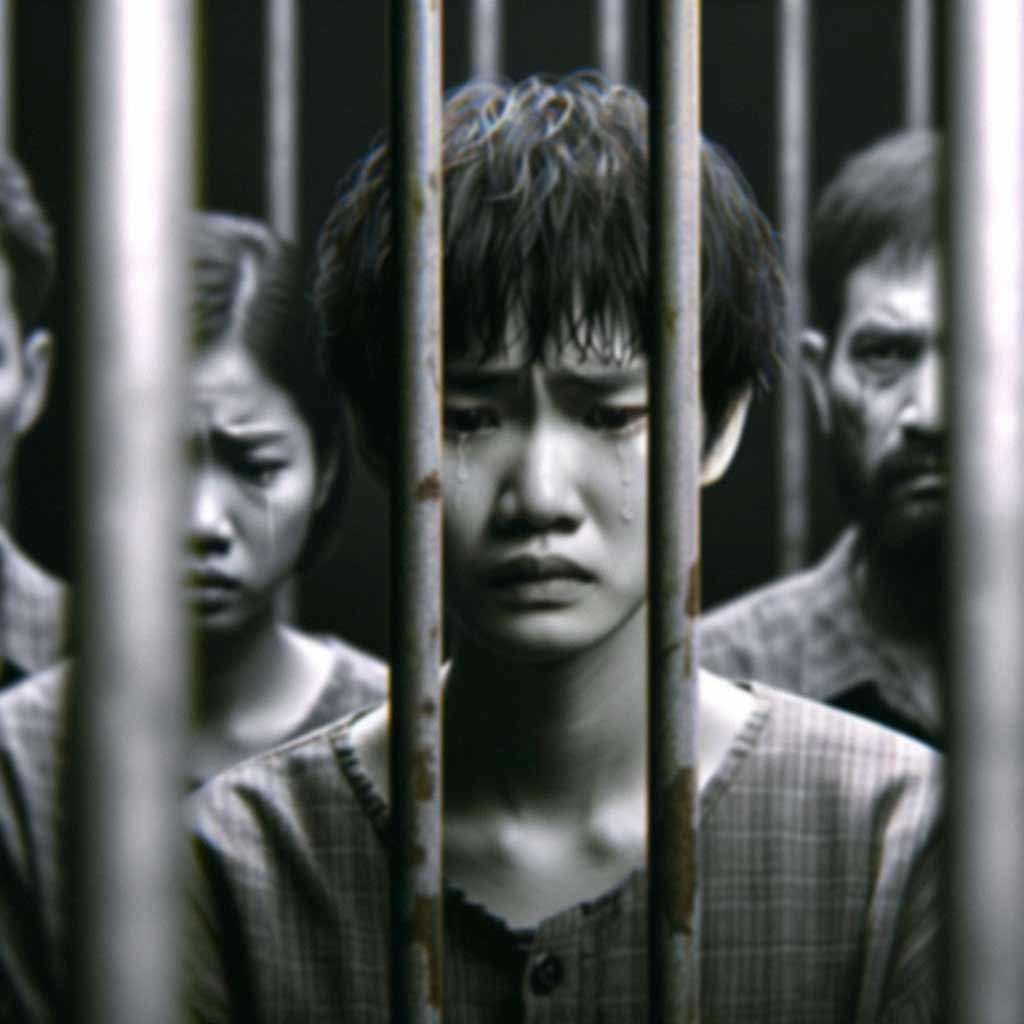
Meanwhile, there are reports of hair sourced from Xinjiang “re-education” camps, where prisoners’ hair is cut. Accessing these camps requires official permission, suggesting some level of official complicity.
However, the living conditions in Xinjiang camps are extremely harsh and inhumane, which can have a detrimental impact on the health of the people residing there, including their hair health. When you prioritize purchasing high-quality hair extensions, it’s highly unlikely that the hair originated from these camps.
Mitigating the Risks
While these occurrences do happen, they are relatively rare. However, this raises an ethical dilemma: how much of this activity is acceptable? If 10% of hair was obtained through such methods, it would warrant serious action. But what if only one in a million is sourced this way? Then it’s easier to turn a blind eye.
It’s impossible to change the world all by yourself. When your main concern is avoiding hair from unreliable sources, focus on sourcing the highest quality extensions. These extensions are of the highest quality because many people put incredible effort into sourcing and producing them.
Conclusion
In the complex world of sourcing hair extensions, confirming ethical practices is a challenging task. Claiming something is easy, but proving it is very difficult. So you’ll never really have the certainty if it’s truly ethical. It still requires people to think critically about these assertions, especially in an industry where everyone claims to have the best hair, and top-quality hair is super rare.
But what is considered to be ethical isn’t as straightforward as people might think. Even when not compensated fairly, the compensation still goes a long way to improving the quality of life for the women or the communities. There’s definitely still a lot of room for improvement, but it’s really hard to contribute to that.
Sourcing quality is already difficult enough without adding ethics as a requirement to it. However, when focusing on quality, there’s a very good chance that you can avoid the egregious practices of the hair industry. So our recommendation is always to focus on quality.
Our articles are designed to help you avoid bad purchases and save money. If you’ve found them useful and wish to support us, please consider a small donation. Your contributions will help us purchase better equipment, like a new camera, or even just a milk tea to keep us going! Thank you for your support!
Thank you for taking the time to read this article. If you have any questions or want to learn more about the topic, please don’t hesitate to contact me at +86 135 3369 3283 (WhatsApp/iMessage). If you find this information helpful, please share it with your friends and family on Facebook. Together, we can spread knowledge and empower others to make informed decisions.
Frequently Asked Questions
What is Ethically Sourced Hair?
Ethically sourced hair refers to hair extensions obtained through fair and transparent practices, where donors willingly sell their hair and are fairly compensated. It’s an easy claim to make but almost impossible to prove.
What’s Fair Compensation for Someone’s Hair?
“Fair compensation” varies based on an individual’s perspective. For example, $2000 a month may seem insufficient if you live in New York, but it’s higher than 99% of the population’s income in China. The disparity becomes even more pronounced in very rural areas, where yearly income might be closer to $200.
What Are Some of the Worst Practices Used to Source Hair?
Some unethical practices include forcibly cutting women’s hair, sourcing from deceased individuals without consent, and obtaining hair from prisoners in harsh conditions. Fortunately, these cases are rare.
Should I Prioritize Quality or Ethically Sourced Hair Extensions?
While both are important, prioritizing quality can help mitigate the risk of supporting unethical practices. High-quality extensions often come from reliable sources, offering a more ethical choice for consumers.