
Hair strength is all about elasticity—healthy hair stretches under tension (like a fresh rubber band), while overprocessed hair snaps (like a dried-out one). The more hair is processed, the more it loses its strength, leaving it vulnerable to breakage and shedding.
Enter the break test: a simple yet powerful tool for evaluating hair strength. It reveals how well different hair types, like high-end #613 blonde or processed floor hair, hold up after chemical treatments. Understanding how much life hair has left after processing is a valuable skill for anyone serious about quality.
Mastering this test lets you assess hair extensions with confidence, whether you’re choosing premium 613 or seeking the “strongest” (or rather, the best) processed floor hair. With this know-how, you’ll spot extensions that strike the perfect balance of strength, elasticity, and longevity—no matter what quality category they fall into.
Table of Contents

How Elasticity Impacts Hair Strength
Imagine healthy hair as a fresh rubber band: It stretches under tension and then returns to its original shape. This is the essence of hair strength—its ability to stretch and recover without snapping. Just like a rubber band, healthy hair is elastic and strong, able to withstand everyday stress, styling, and wear without breaking.
But just as a rubber band loses its stretchiness over time if left unused or exposed to harsh conditions, hair loses its elasticity and strength when damaged. Over-processed hair behaves like an old rubber band—dry, brittle, and easily broken under tension.
How to Use the Break Test to Check Hair Quality
The break test is a simple yet effective way to measure a strand’s resistance to breakage, revealing its strength and elasticity.
To perform the test, take a single strand of hair from your bundle, hold it about 5 cm (2 inches) apart, and gently pull. Healthy hair will stretch before breaking, okay-quality hair will stretch a little before breaking, and overprocessed hair will snap easily.
This technique helps assess whether the hair is resilient enough to meet your expectations. Here’s how it applies to high-end 613 bundles and processed floor hair.
Break Test for the Best 613 Hair
If you’re looking for raw hair, you’re looking for extensions that haven’t been processed at all. But here’s the thing—light blonde shades like 613 or 60, while still made from raw hair, have been bleached to the absolute limits of what the hair can handle.
Only the best raw hair—sourced from donors with incredibly healthy, unprocessed hair—can survive the bleaching process to achieve these light tones while staying healthy and elastic. We’re talking about the top 20% of all raw hair materials. The rest—the remaining 80%, including average and lower-quality raw hair—simply can’t cut it. Once bleached, these “80%” bundles lose their elasticity and show clear signs of damage.
Take a look at this video to see the difference for yourself. The bundle on the left, with a slight yellow tint, is made from slightly subpar raw hair material. It’s decent but doesn’t stand out. Now, compare that to the bundle with the orange band, part of our Orange Line. This is made from the absolute best raw hair material available on the market.

The difference is crystal clear. High-end 613 hair, like the Orange Line, stands out with noticeably better elasticity and resilience compared to subpar 613 hair.
When it comes to testing the quality of light blonde hair, the break test is a simple yet effective tool to have in your hair-testing arsenal. It’s a quick way to spot the difference between hair that’s truly top-tier and hair that just doesn’t measure up.
-
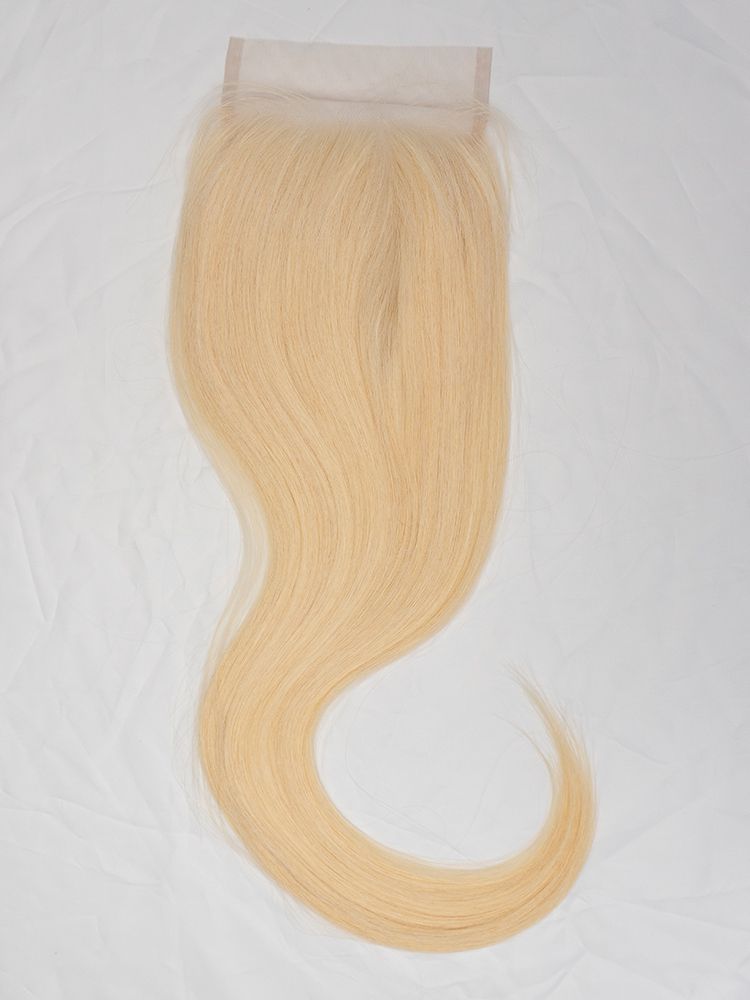
 Orange Line 613 Straight Lace Closures | 4×4 5×5 6×6 7×7From $60.00
 -
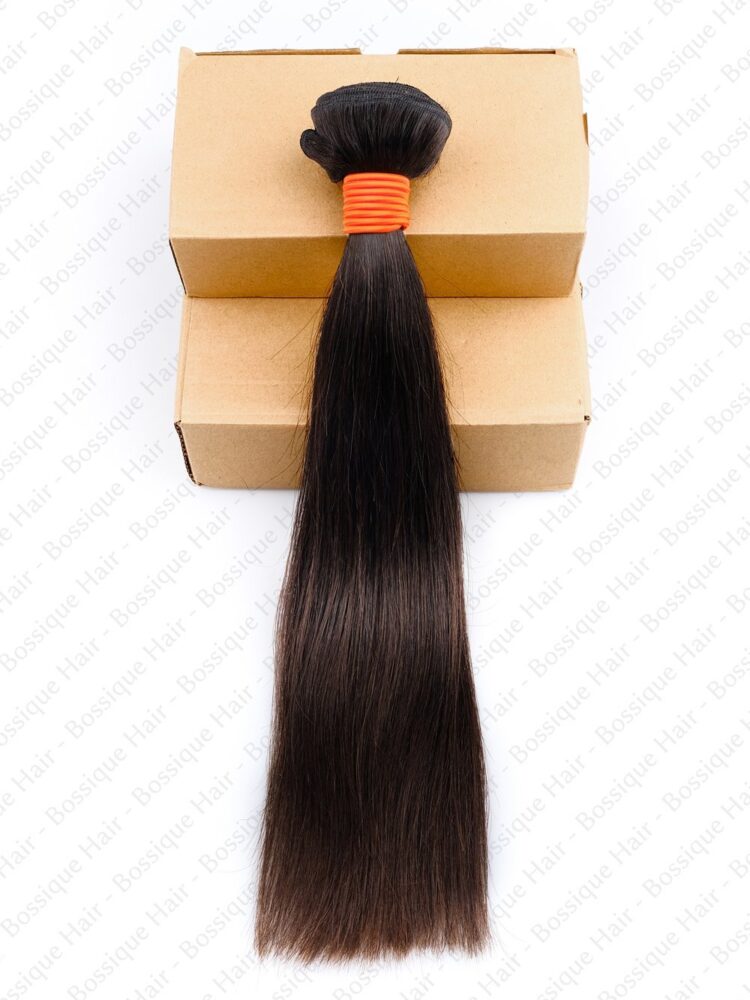
Product on saleOrange Line Straight BundlesFrom $33.80
-
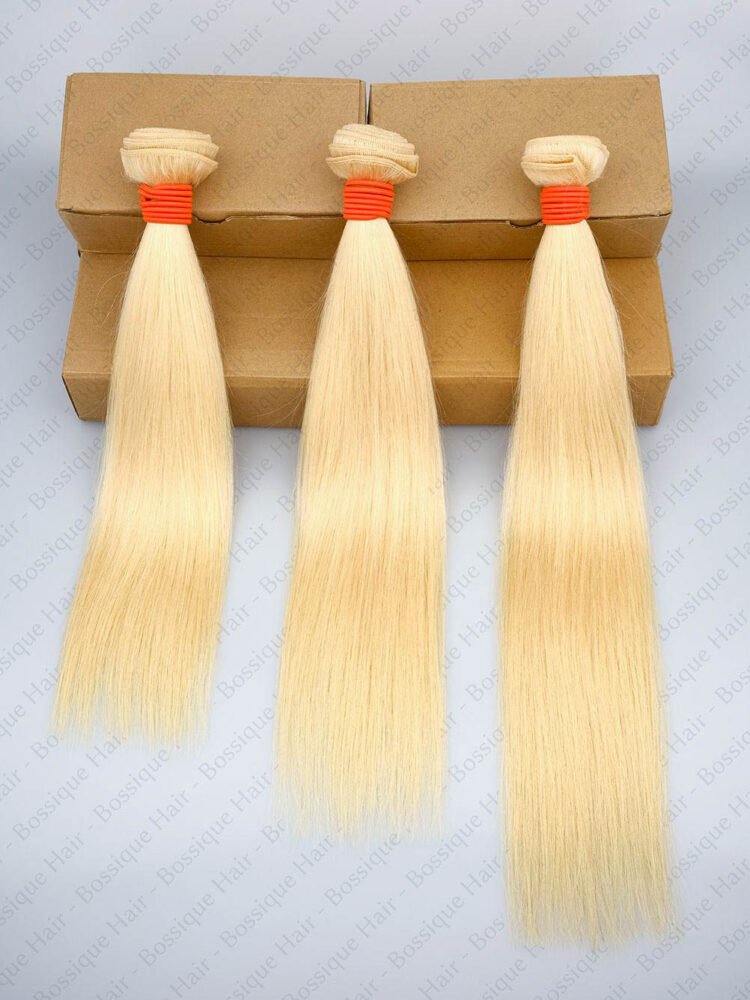
Product on saleOrange Line 613 Straight BundlesFrom $44.10
Break Test for the Best Processed Floor Hair
Affordable hair extensions are typically made from processed floor hair. Unlike raw hair, floor hair doesn’t have aligned cuticles, which means it would tangle badly if left unprocessed. To make it usable, the hair undergoes processing that strips away some of the cuticles. While this makes the hair manageable, it also causes damage, reducing its elasticity and overall quality.
That said, not all floor hair is created equal. Coarser, healthier strands tend to handle the processing better than finer, already-damaged hair. This is why for our Black Line extensions, we source slightly thicker, stronger hair that withstands processing more effectively. By starting with better-quality floor hair, our extensions retain some of their elasticity, resulting in longer lifespans, less drying, less frizz, and overall better performance—despite having been processed.
In the video below, you can see a break-test comparison between our Black Line bundles and another product labeled as similar quality. The difference in elasticity and resilience is clear.

Once again, the break test proves to be an invaluable tool for assessing hair quality, especially when sourcing more affordable options that fall into a completely different category of extensions.
-
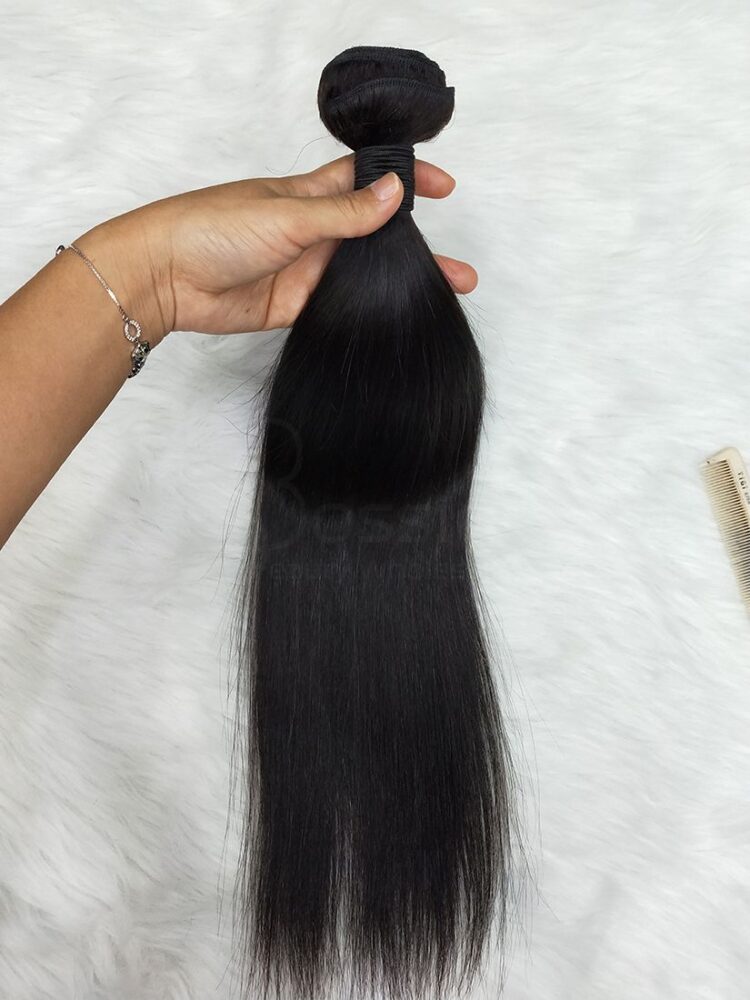
Black Line Straight Hair ExtensionsFrom $22.50
-
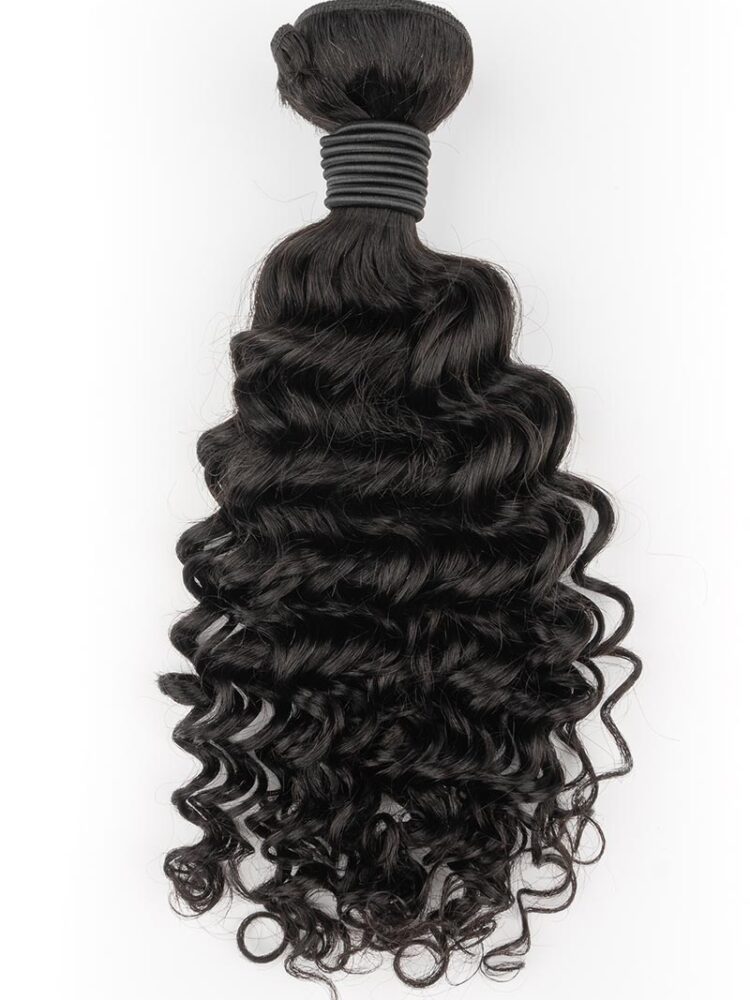
Black Line French Curly Hair ExtensionsFrom $24.50
Conclusion
Hair strength comes down to elasticity—the ability of strands to stretch and bounce back without snapping—and the break test is your go-to tool for uncovering it. Whether you’re evaluating premium 613 blonde extensions or processed floor hair, this simple test helps you see what’s really under the surface. It’s a quick, reliable way to separate the truly durable, high-quality hair from the weak and brittle.
Our articles are created to help you make smarter purchases and save money. If you’ve found them helpful, we’d greatly appreciate it if you shared them with your friends, family, or in your favorite online groups. Your support helps us reach more people and keep producing high-quality content.
Have questions? Contact us directly on WhatsApp or iMessage at +86 135 3369 3283, or email me at cristina@bossique.com. Many of our articles originate from discussions on our Facebook page. We’d love to hear from you!
Hair Cheat Sheet
How Can I Test If My Hair Is Overprocessed?
To test if your hair is overprocessed, perform a break test. Take a single strand and gently pull it. Healthy hair will stretch before breaking, while overprocessed hair will snap easily. Overprocessed hair may also show signs of dryness, brittleness, and frizz.
What Is the Break Test for Hair?
The break test is a simple method to check hair strength and elasticity. Gently pull a single strand to see if it stretches before breaking. Healthy hair will stretch, while damaged hair may snap easily, indicating a lack of elasticity.
How Does Chemical Processing Affect Hair Strength?
Chemical processes, such as bleaching or chemical treatments, weaken the hair’s natural structure, reducing its strength and elasticity. Overprocessing can cause hair to lose its ability to stretch, making it prone to breakage and damage.
Why Is Hair Elasticity Important?
Hair elasticity reflects hair health and hair strength. Elastic hair is more resilient, less likely to be problematic, and has a longer lifespan, making it less prone to breakage and damage.
What Is the Difference Between Processed Floor Hair and High-End Hair?
Processed floor hair is heavily treated with chemicals, which strips it of elasticity and strength. High-end hair, on the other hand, comes from superior raw materials and undergoes minimal processing, preserving its natural resilience and elasticity.