
People still believe that hair grades are actual qualities. We constantly get asked questions like: “What is the best grade of hair?”, “Do you sell 12A grade hair?”, and “What is 9A grade hair?” Here is the truth: hair grades are just made-up labels vendors use to market the bundles they sell. The actual quality could be absolutely anything, and there is no universal “best” grade of hair. It is essentially the hair industry’s version of the playground “my dad is bigger than your dad” argument.
While hair grades are slowly fading into the background, we still see buyers making this mistake every day. That’s why we’re breaking it all down in this article—so everyone can finally see the hair grade myth for what it is. It’s not about the label; it’s about the raw material beneath it.
Inside This Article
Hair Grades History: How We Went From 4A to 15A
When I entered the hair industry in 2015, 4A and 5A hair extensions were the gold standard. Back then, those were the highest qualities available. But as the years went on, new hair grades began flooding the market—6A hair, 7A hair bundles, and 8A hair. These weren’t new types of hair; they were just new marketing labels.
Fast forward to today, and vendors are selling 12A hair as the pinnacle of quality. But if they introduce 15A hair next year, does that mean it’s sourced from magical rainbow unicorns in a parallel universe? Hardly. The truth is, the quality doesn’t change much—just the names slapped on the product do.
Then came the rise of Brazilian, Malaysian, and Peruvian hair extensions. Suddenly, everyone wanted to know the difference between Brazilian and Peruvian hair. A quick Google search offers elaborate explanations, but here’s the catch: it’s all marketing. The Brazilian or Peruvian hair extensions being sold today? They’re often the same as the 5A hair you bought years ago. The only thing that’s really evolved is the branding.
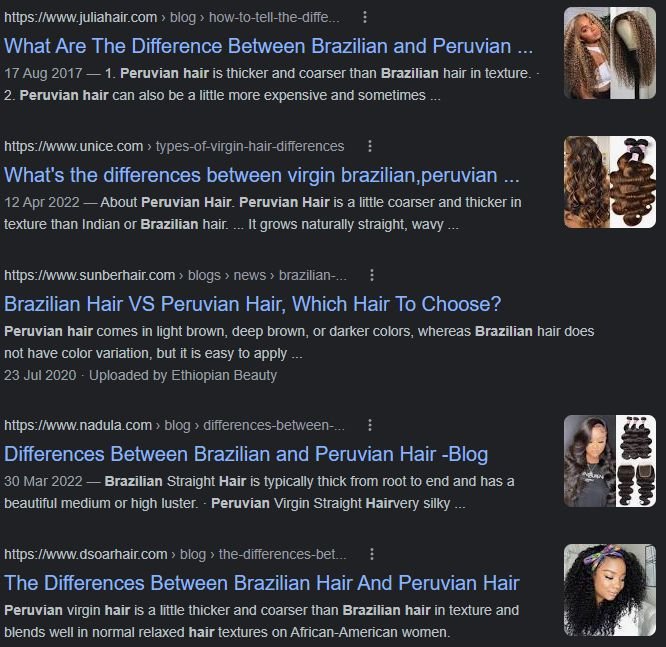
There’s a scientific term for this phenomenon: apophenia. It’s the tendency to see meaningful connections between unrelated things—like the idea that “Brazilian hair” or “12A hair” has some universal standard. Spoiler alert: it doesn’t. People are searching for patterns in a system where none exist.
When I started Bossique, 9A and 10A hair grades were all the rage. Naturally, I adopted the trend too. But as time went on, frustration grew over these arbitrary labels. Facebook exploded with comments like “Raw hair isn’t graded” or “Grades don’t exist.” They weren’t wrong. So, for marketing reasons, we ditched the grades and started differentiating our qualities by the color line we use instead.
Here’s the question no one seems to answer: If 10A-grade hair is the best quality on the market, what exactly is 13A-grade hair? And is 12A hair supposed to be superior to 10A? These grades are little more than a creative way for sellers to claim their product is better than the next. In reality, it’s all just clever branding.
The Truth: Hair Grades Are Just Naming Tools (Turned Marketing Weapons)
At their core, hair grades are simply a practical naming tool. When a vendor has three different qualities of hair in their warehouse, they need a fast way to tell them apart. We could just as easily call them A, B, and C; Alpha, Beta, and Gamma; or Orange, Pink, and Black. But saying “9A” is short, easy to type in a WhatsApp message, and fits perfectly on a tiny bundle sticker.
The problem isn’t that vendors use labels; the problem is that there is no universal standard. Because these numbers aren’t regulated, a simple naming convention quickly turns into marketing deception.
Here is the perfect example: look at this 2019 price list from the 9A supplier for our Black Line.

The factory doesn’t use grades or numbers. They sell hair based on actual processing quality: 泡发 (Paofa), 顺发 (Shunfa), and 辩发 (Bianfa). They then categorize them as A, B, and C to indicate fullness. We bought their 顺发B (Shunfa B) back in late 2018, and we decided to call it “9A” simply because that was the trendy search term buyers were using for Shunfa-quality hair.
That is how the entire industry operated. If a vendor sells 9A and 10A hair and wants to introduce a slightly upgraded quality, what should they call it? 11A? 10A+? 10B? Or do they jump straight to 12A? The answer is: any of these can be useful. Adding something to it makes it seem better than another line, whether it may be your own, or another vendor’s.
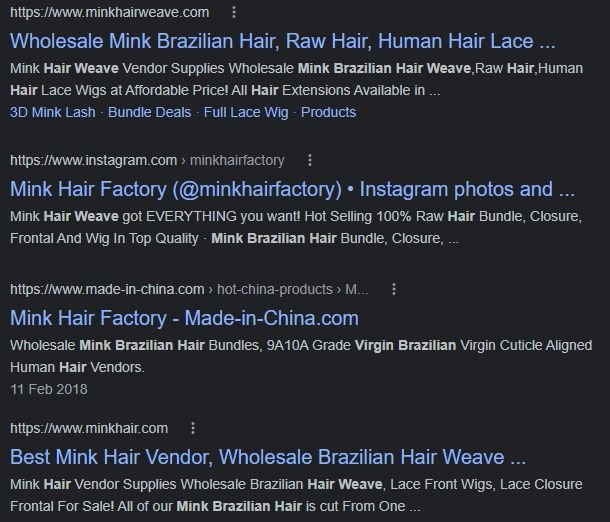
Some people blame vendors for using these grades as marketing deception, but the reality is that similar labels are heavily driven by buyer demand. If half the market starts asking for “Mink Brazilian hair,” vendors will immediately rebrand themselves as Mink Brazilian suppliers to get more sales—even though “Mink Brazilian” isn’t a real thing.
This is all made worse by a massive cycle of miseducation. Many salespeople in the Chinese hair trading business only need passable English to get hired. They are not required or expected to actually understand hair quality. In fact, factory bosses often prefer it that way to prevent employees from learning too much and starting their own hair extension brands. (Why settle for a 3% commission when you could run your own business and take 10-20%?)
If the people closest to the production don’t really understand the extensions, how do we expect buyers who don’t read our blog to understand? It creates a cycle where the blind are leading the blind—confusing both buyers and salespeople, and resulting in a messy, self-perpetuating loop of fake marketing terms.
When the market finally started catching on, buyers began saying: “Raw hair isn’t graded.” But instead of realizing that hair grades mean absolutely nothing, they simply decided that anything with a number attached couldn’t be great quality.
At the time, we were selling our premium raw donor hair as “10A+”. Despite it being raw hair (in straight) in its purest form, buyers accused us of using cheap marketing ploys just because the label had a “10A” in it.
You can’t blame a vendor for using marketing to appeal to the majority, so we used marketing to solve our own problem. We dropped the 10A+ label, tied an orange string around the bundles, and rebranded it as the Orange Line.
Today, we categorize all our qualities strictly by their “Line” (Black, Pink, Orange, and LUX). It completely stopped the meaningless comparisons. Buyers are no longer holding our hair up against someone else’s random 10A.
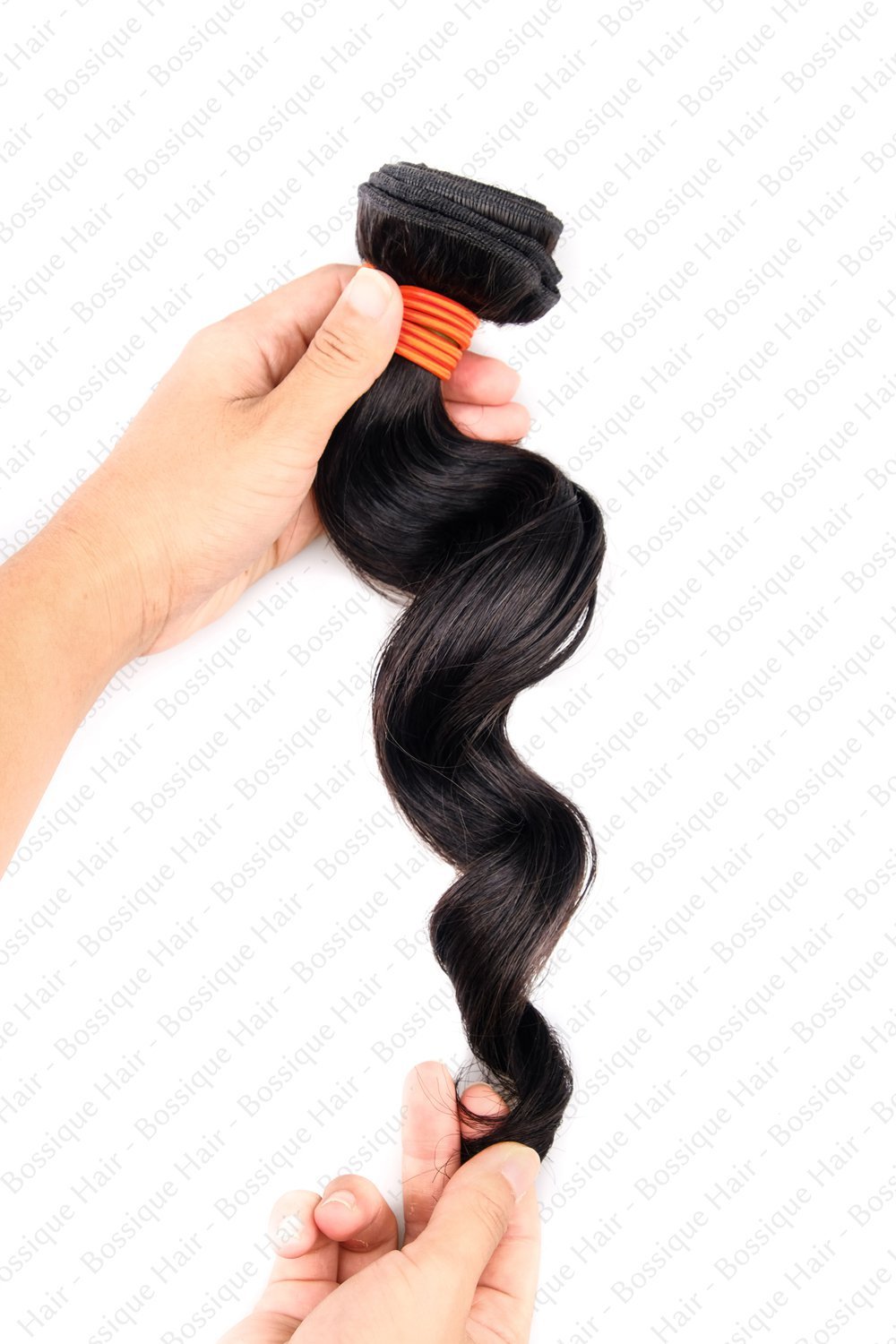
Orange Line Loose Wave Bundles
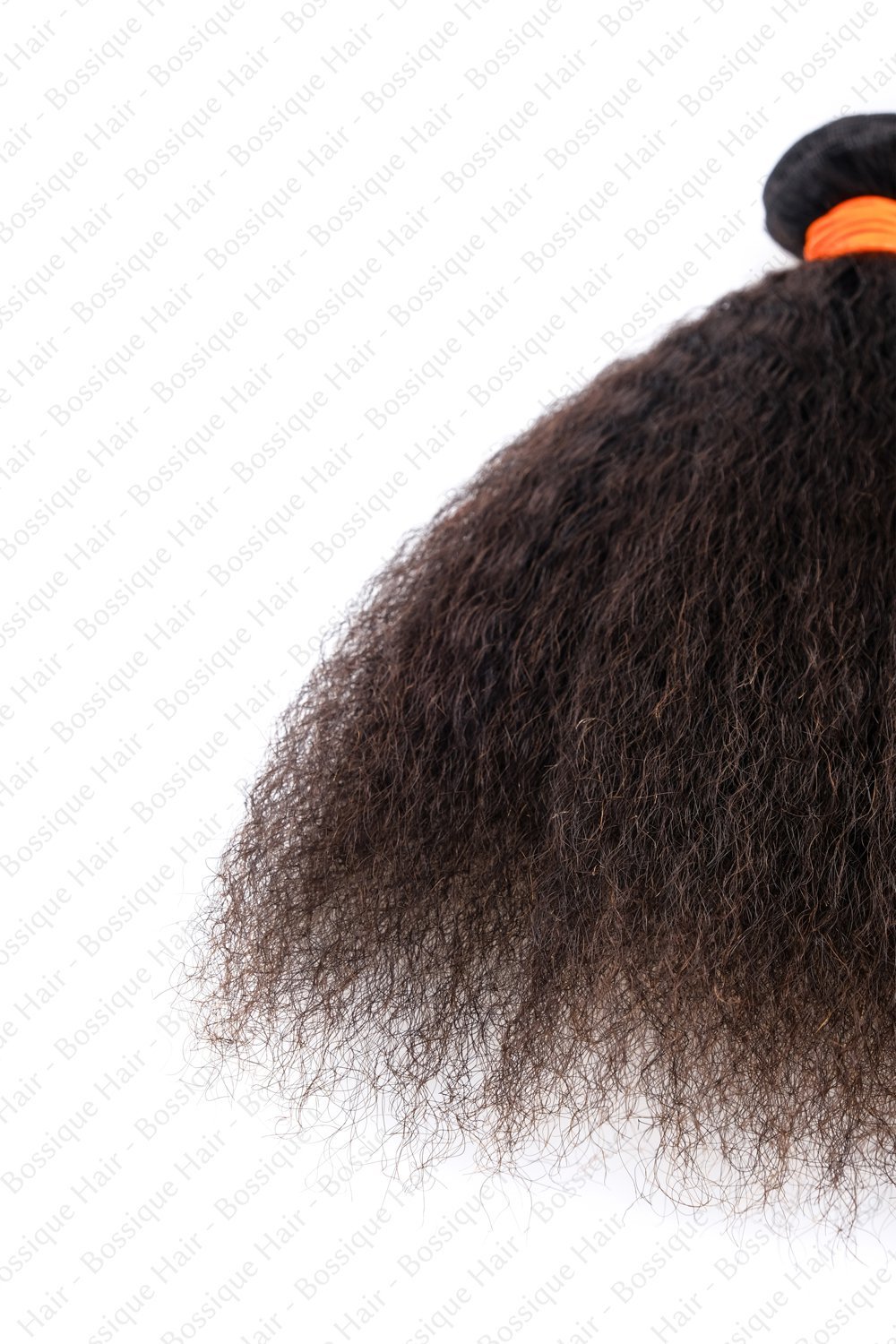
Orange Line Kinky Straight Bundles
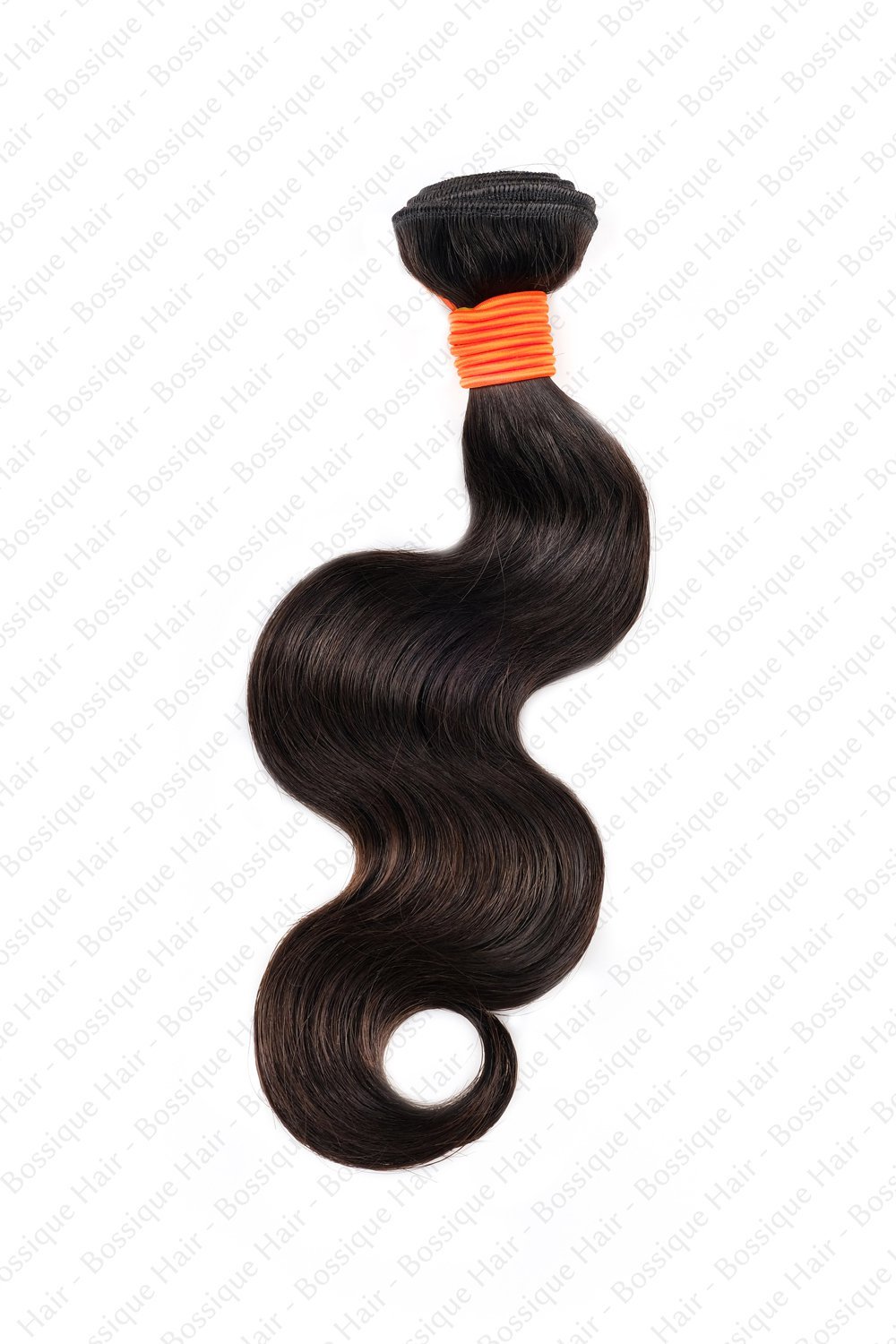
Orange Line Body Wave Bundles
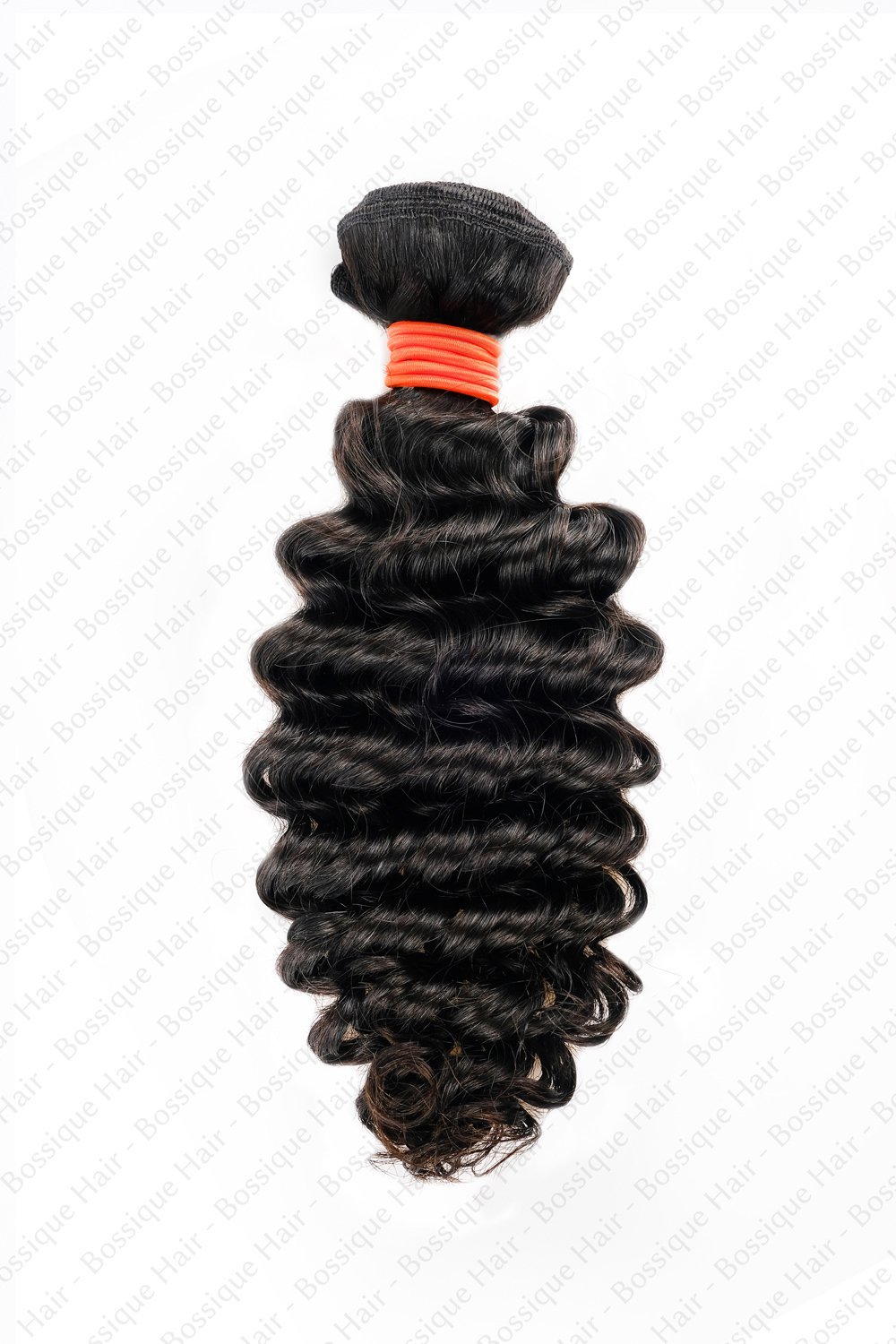
Orange Line Deep Wave Bundles
The Real Chinese Factory Terms: Paofa, Shunfa, and Bianfa
It’s typically vendors that use a grading system. Here in China, as a Chinese vendor, when we talk to factories, we actually talk in these terms. And if you want to get a better understanding of hair extensions, it’s quite important to understand these three tiers, as they refer to the actual sourcing and processing of the hair extensions.
泡发 (Paofa) – Chemically Processed Floor Hair
Paofa is the lowest quality human hair on the market. It is floor hair, meaning it’s non-remy hair with a 50-50 cuticle direction. Because this hair would instantly tangle, it has to be processed. Factories use the strongest method available: an acid bath that basically burns the cuticles off. This leaves it with a very short lifespan—maybe up to 3-4 months if given the right hair care. As it’s typically super porous, that involves using silicone products. Bleachability isn’t particularly great, as it’s already overprocessed hair. Grades are a bit of the past, but when you still see a grade attached to this type of hair, it’s often 8A or 11A. You can typically confirm that by the price, as it’s quite cheap.
顺发 (Shunfa) – Remy Machine-Aligned Floor Hair
When you see a vendor offering both raw hair and virgin hair, this is the quality category their virgin hair actually falls into. This is the industry baseline and the middle tier of quality. Shunfa is also floor hair, but it goes through a process where a worker uses a machine to align the cuticles in the same direction. As it doesn’t align everything perfectly, it still receives an acid bath to prevent some tangles—but a milder one than Paofa gets. Thus, it retains more strength than Paofa and lasts roughly 6-12 months. And any floor hair typically needs to get colored. The combination of both the processing and the dye will limit its bleachability to a color #27.
The most popular grade for this quality of hair bundles is 9A. Sometimes you’ll see 10A grades being Shunfa, as suppliers just want to appear better than their competitor. For vendors specifically targeting the African market, they’ll sometimes call it 12A as well.
Our Black Line is an example of this quality category, and we typically pick the thicker floor hair material as a foundation for it. This means it has a better margin for withstanding processing, thus you end up with hair with higher elasticity and a better lifespan. Our Pink Line is a special version of it, as it uses something called “Yunnan Remy Hair.” It’s basically a purer version of floor hair that doesn’t need to get colored, thus maintaining most of its bleachability.
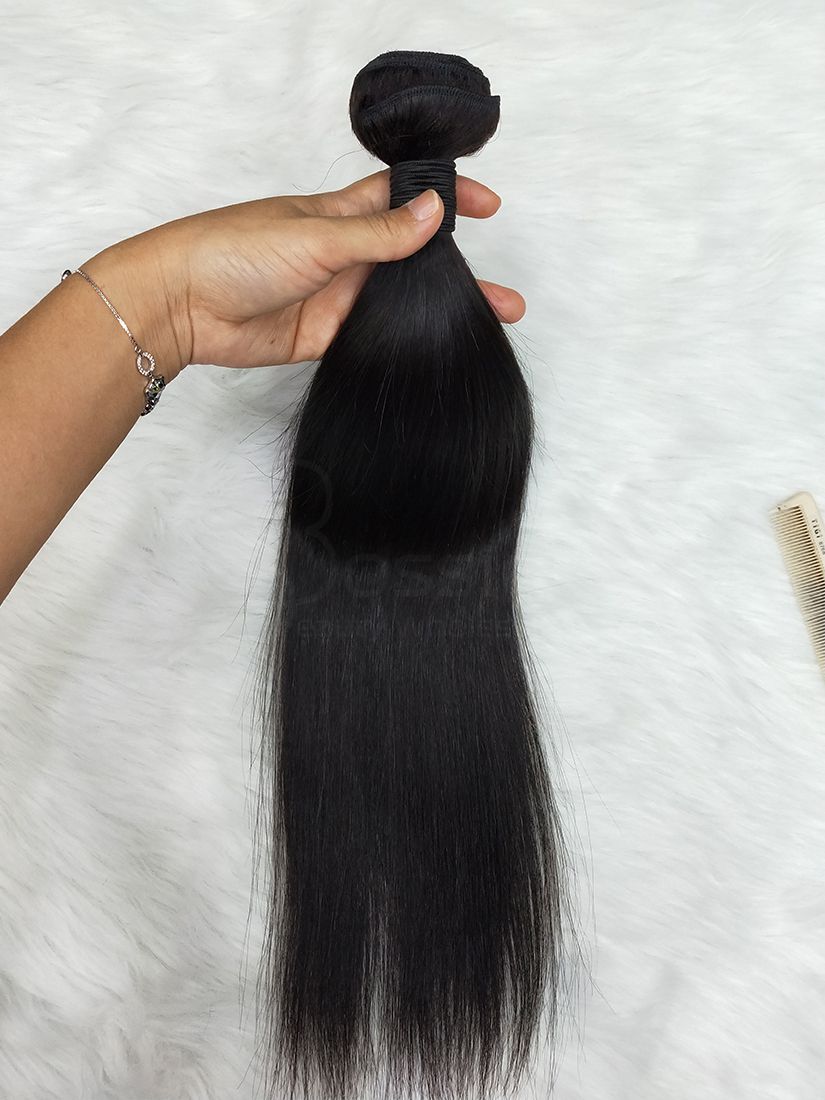
Black Line Straight Hair Extensions
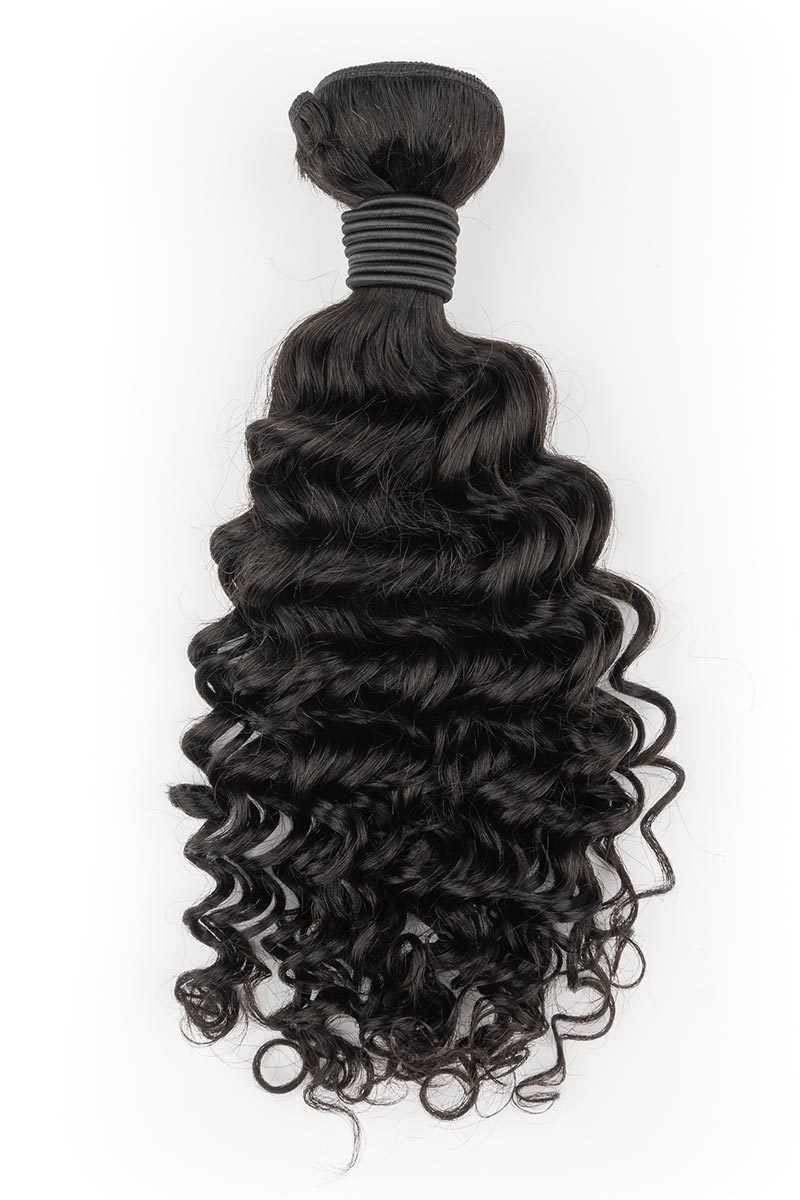
Black Line French Curly Hair Extensions
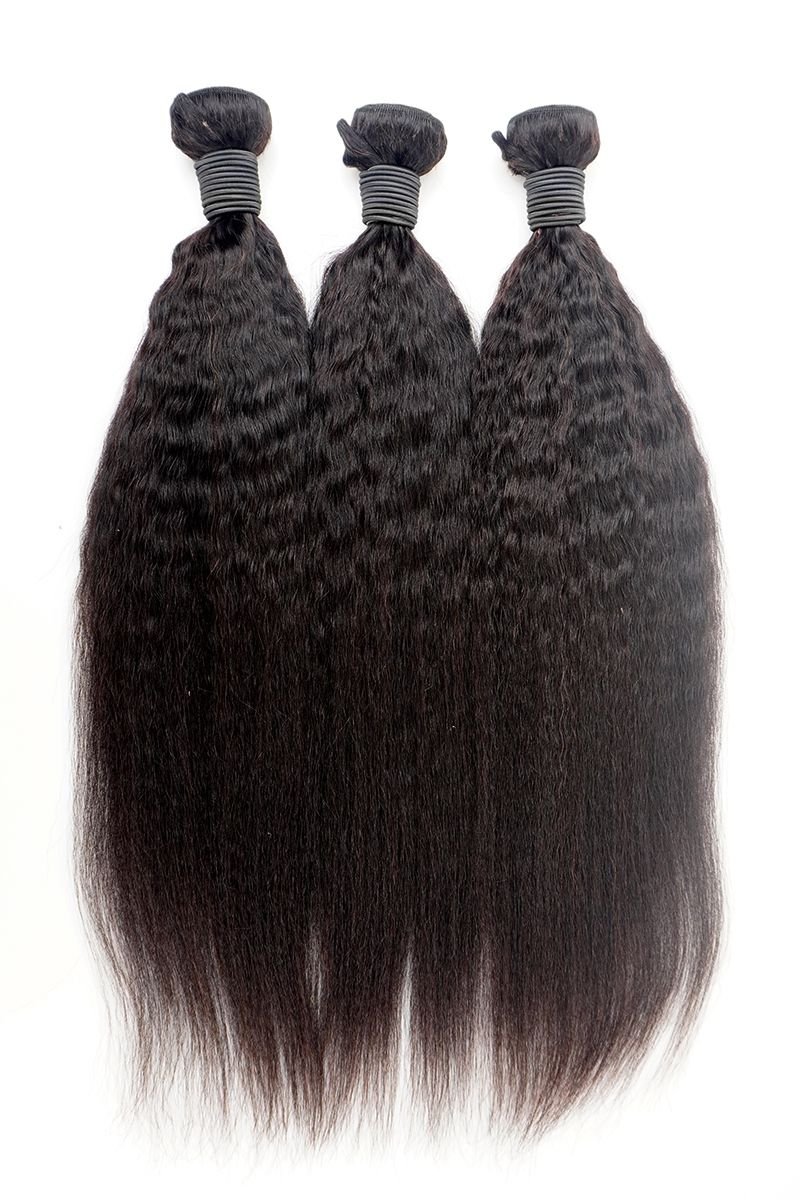
Black Line Kinky Straight Hair Extensions
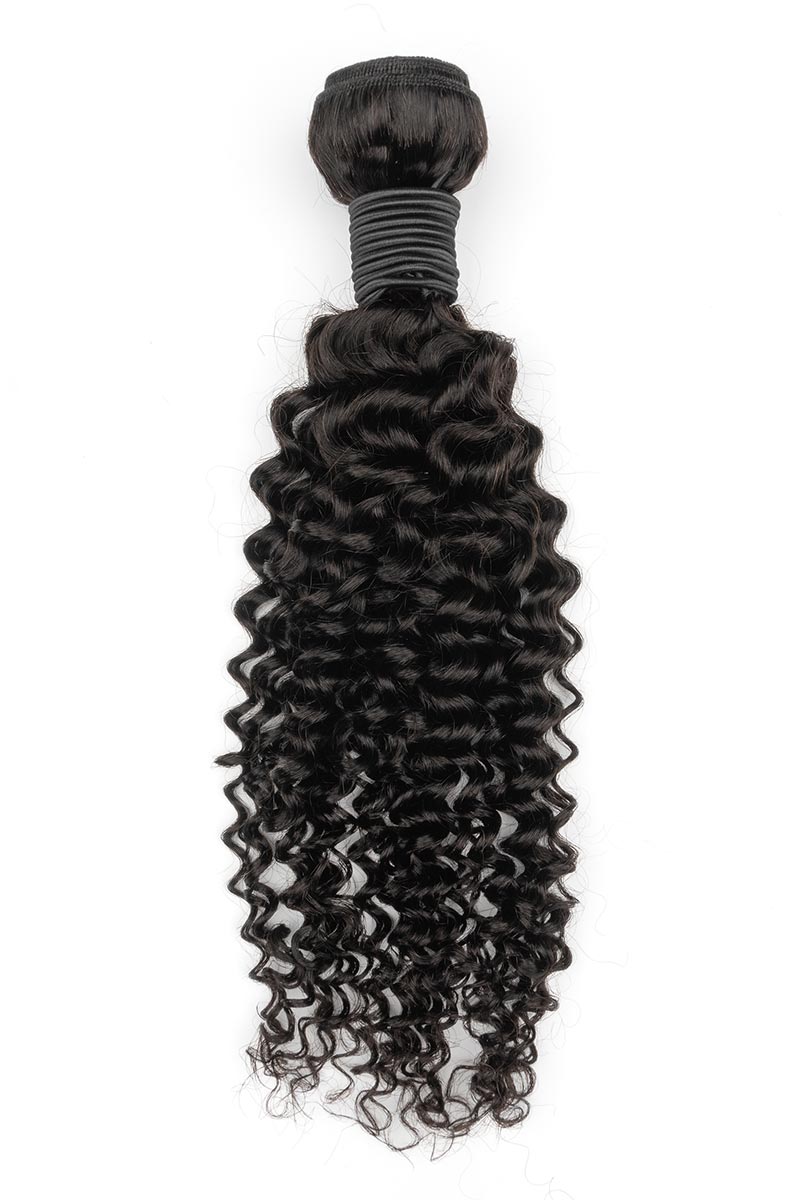
Black Line Kinky Curly Hair Extensions
辩发 (Bianfa) – Cuticle-Aligned Donor Hair
This is ponytail hair cut directly from a donor. Because it is kept in its original bundle from the moment it is cut, the cuticles are naturally aligned without needing any machine correction. Donor hair is significantly more expensive than floor hair, which is exactly why there is such a massive price gap. When this hair is truly healthy, it can easily last 2-3 years and safely bleach beyond a #613 all the way to a #60.
However, shortcuts are common. If a donor spent a lot of time under a blazing sun, previously colored her hair, went through a hormonal rollercoaster, or simply didn’t take proper care of it, the quality drops. This results in lower bleachability, damaged ends, and a much shorter lifespan—especially since shortcuts during sourcing usually lead to further shortcuts during production. Vendors used to call this hair 10A, but that mostly got replaced by the term “raw.” Because of all these variables, whenever you see “raw,” keep in mind that it doesn’t automatically mean it is high quality.
We sell the healthy version of this Bianfa hair. It is strictly raw in its straight texture, while our other textures are steam-styled. Our Orange Line is quite literally the healthiest, highest-quality donor hair you can find on the market.
So, What Is the Best Grade of Hair?
As we’ve established, asking for the “best grade” is the wrong question. There is no universal standard for these numbers—they are purely marketing tools. And the exact same rule applies to the country of origin.
Expecting a specific quality just because a bundle is labeled “Brazilian” is like expecting “Mink Brazilian Hair” to actually come from a Brazilian mink.
When you buy “Brazilian,” “Indian,” “Malaysian,” or “Peruvian” hair extensions from China, you aren’t getting imported exotic hair. Odds are, you are simply buying Chinese Shunfa (remy machine-aligned, chemically processed floor hair). Some vendors may offer actual Cambodian or Burmese hair, but hair is hair, and quality is defined by health, not origin.
True hair quality isn’t about names; it is strictly about how the hair is sourced and processed. Forget the marketing labels and test the actual properties:
- High-quality Bianfa (~raw hair) can be safely bleached to a #613 (or beyond) while maintaining healthy, intact cuticles and natural elasticity.
- Subpar raw hair may physically reach a #613, but it will lose more of its health in the process.
- Standard remy machine-aligned hair (Shunfa) safely caps out at a #27 medium blonde.
Hair Cheat Sheet
What is Grade 7A / 8A Human Hair?
These are older marketing labels. Today, if you buy 7A or 8A human hair, you are almost guaranteed to receive Paofa. This is bottom-tier, chemically processed hair where the cuticles have been completely burned off. It doesn’t tangle precisely because the cuticles are gone, but it is extremely low quality, has a short lifespan, and won’t bleach well.
What is 9A Hair?
“9A” is usually just the industry baseline for Shunfa—remy machine-aligned floor hair. It’s the kind of human hair that lasts 6-12 months and safely lifts to a color #27. This is exactly the quality tier we use for our affordable Black Line, which we actually used to call 9A in the old days.
What is 10A Grade Hair?
While 9A was the standard for Shunfa, 10A was traditionally a vendor’s attempt at offering raw hair (cuticle-aligned donor hair). However, because there are no rules, it’s not really a guarantee, and you can still easily end up with remy machine-aligned bundles or mixed hair quality.
Is There Grade 11A Hair?
Yes, but Grade 11A bundles are just another stepping stone in the numbers game. It doesn’t actually exist as a defined standard. It’s simply a filler label used by sellers to claim their product is a slight upgrade over someone else’s 10A extensions.
What’s the Difference Between 10A and 12A Bundles?
Historically, “10A” catered to standard Western buyers, while “12A” was the trendy buzzword for Shunfa-quality hair for the African market. However, in the last few years, that shifted. Now, some vendors selling to the Caucasian market have started using 12A to (falsely) describe it as the best quality human hair extensions.
What about 14A and 15A Human Hair?
This is where we are currently at—the market is pushing up to 15A. It is not very common yet, so it is difficult to link a direct quality tier to it. At this point, it’s just one more way for factories to try and prove their product is superior. It is essentially the hair industry’s equivalent of a “my dad is bigger than your dad” speech.
Our articles are created to help you make smarter purchases and save money. If you’ve found them helpful, we’d greatly appreciate it if you shared them with your friends, family, or in your favorite online groups. Your support helps us reach more people and keep producing high-quality content.
Have questions? Contact us directly on WhatsApp or iMessage at +86 135 3369 3283, or email me at cristina@bossique.com. Many of our articles originate from discussions on our Facebook page. We’d love to hear from you!