
At Bossique, we’re often asked: what is virgin hair? In this guide, we’ll explain what it really means, how it compares to raw and processed hair, and why most “virgin” bundles on the market aren’t what they seem. No fluff—just clear, honest insight from a vendor’s point of view.
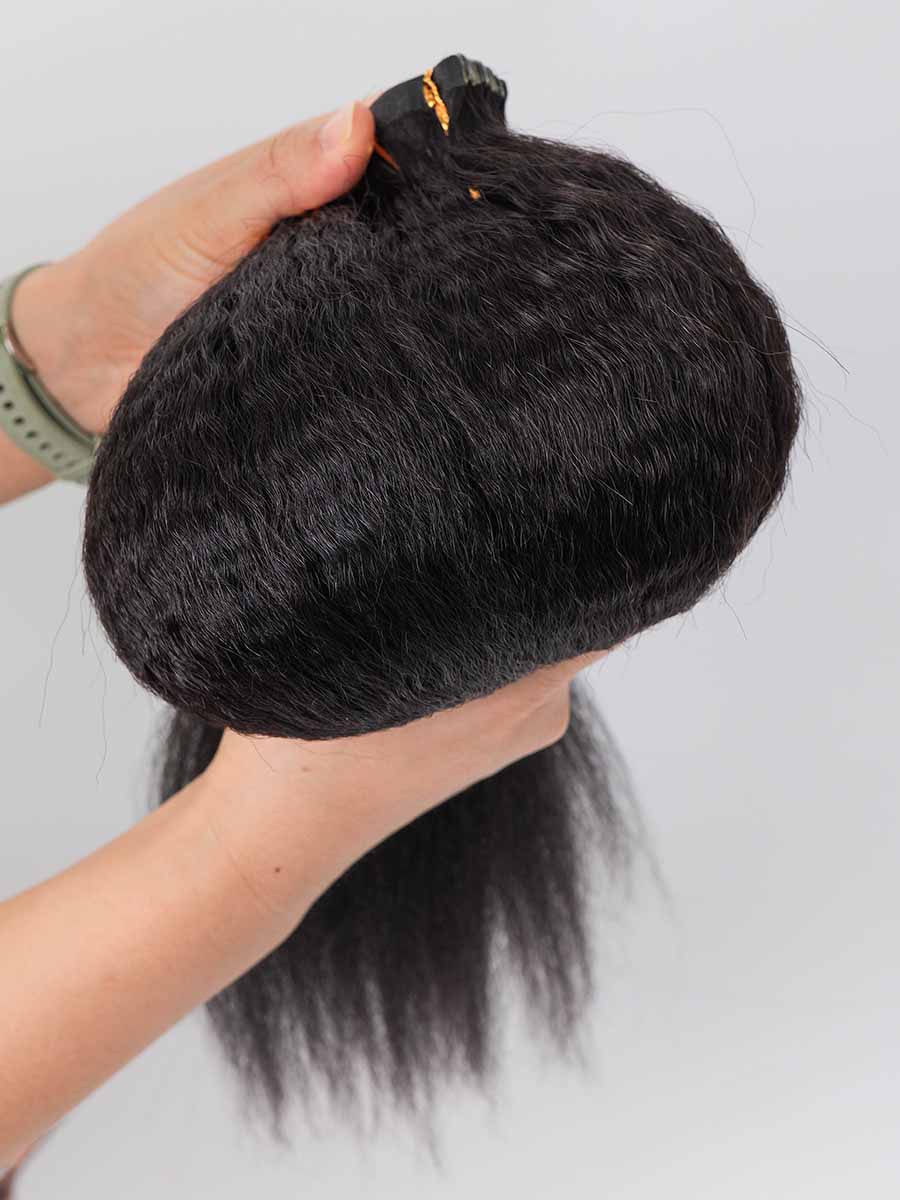
Table of Contents
What Is Virgin Hair, Anyway?
Virgin hair is hair cut straight from a donor—never dyed, bleached, or chemically messed with. It can be raw or steam-styled (which doesn’t lower quality). It costs money to turn raw hair into virgin, yet it’s often cheaper. Why? Because most “virgin hair” is just floor hair in disguise.
Most people don’t realize that “virgin hair” actually falls into two categories—steam-styled raw hair, and affordable virgin hair.
What Makes Virgin Hair Top-Quality?
Steam-styled raw hair is what’s typically considered “Top Virgin Hair.” It’s cut directly from a donor and has (mostly) intact, aligned cuticles. It’s the kind of hair that can bleach 613 blonde healthily and last 2+ years with proper care, making it belong to the high-end quality category.
Not All Raw Hair Is Equal
This hair came from someone’s head—literally. And not everyone has healthy hair. Age, genetics, poor nutrition, sun exposure, and heat damage can all affect the hair’s health. So even if it’s collected directly from a donor and unprocessed, quality still varies.
And as the healthy stuff is scarce and expensive, many manufacturers settle for less. Meaning using less less healthy material, sometimes with a few lower-quality strands mixed in. You’ll still get hair that performs well, but it won’t be the absolute best, thus the price difference.
Why Steam-Styled Hair Doesn’t Qualify as Virgin
Steam-styled raw hair is often labeled as virgin, but under a strict definition, it isn’t. Virgin hair is supposed to be free of chemical processing, but steam-styling is often preceded by a mild chemical bath, typically using Hypochlorous acid (次氯酸). Why?
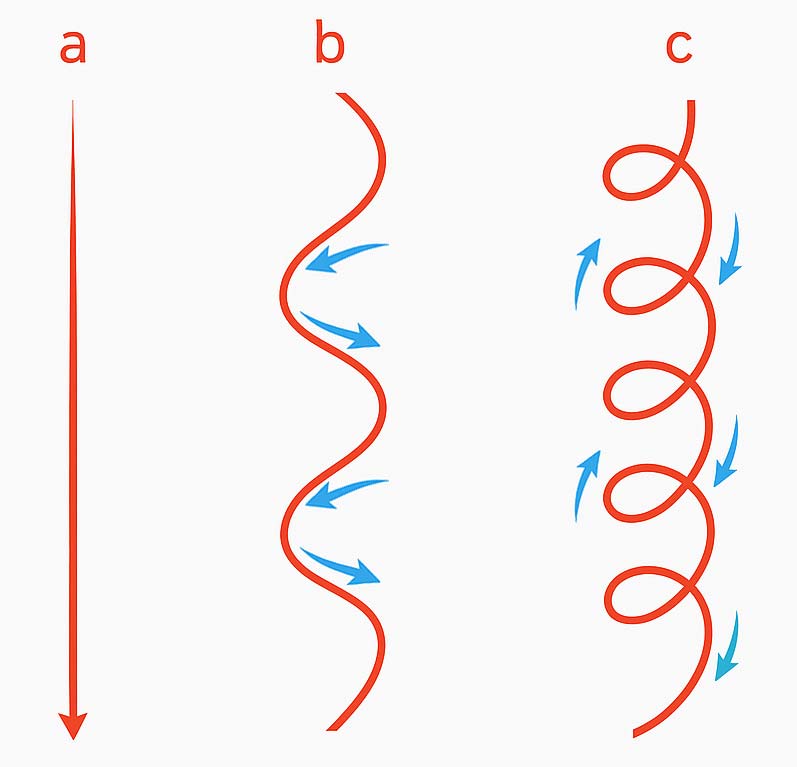
This image helps explain why. In strand A (straight hair), the cuticle direction is clearly top to bottom. In strand B (wavy hair), the cuticle direction is still the same, but the wave pattern makes parts of the strand move sideways from a relative perspective. In strand C (curly hair), parts of the strand even turn upward. So while the strands are all top-to-bottom, the relative direction of the cuticle changes with added texture.
That slight misalignment can cause hair to snag more easily and become higher maintenance to sometimes unbearable levels. Plenty of vendors have lost A small amount of processing helps smooth that snagging out and makes the hair easier to wear. For example, even though our Orange Line is raw in its straight texture, we still choose to lightly process our body wave version. Losing the label is a small price. Losing repeat customers? That’s the real cost of skipping it.
Closures Are a Special Case
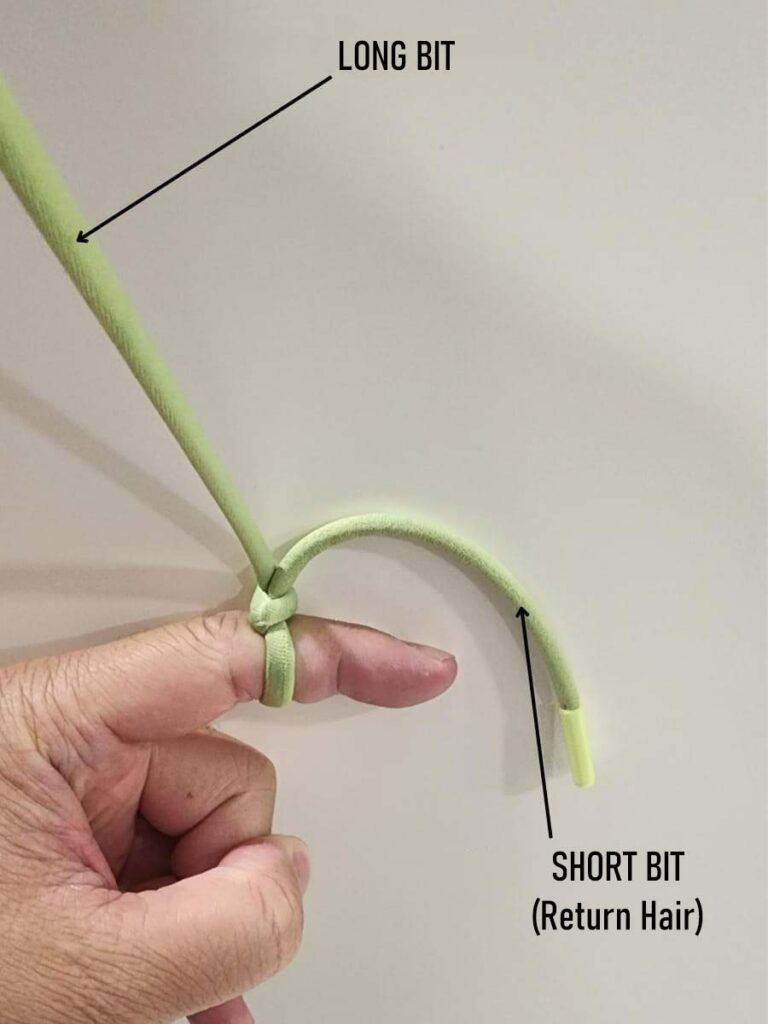
Closures are made by hand-tying hair onto lace. Each knot creates two ends: one long, and one short—the return hair. While the strands may be cuticle aligned when tied, the return hairs fold back, reversing their cuticle direction. If left unprocessed, these short bits tend to tangle into the longer bits.
So even when a closure uses high quality raw hair, the return hairs still need to be processed to avoid issues. Which means raw or virgin closures don’t really exist.
Is Virgin Hair Still Virgin After Bleaching?
In the white women’s hair extensions market, the term “virgin” gets used differently. You’re often told to look for virgin hair, yet most of it comes in a range of colors that were achieved by bleaching and dyeing naturally black Asian hair. Since both bleaching and coloring involve chemicals, it’s technically not virgin—even if it’s sold under that label.
Is It Still High-Quality Hair?
Yes. Even with light chemical prep or closure processing, this is still hair that bleaches to 613 and lasts over two years. That’s high quality—even if it no longer qualifies as strictly “virgin.”
Instead of fixating on the label, focus on what actually matters: sourcing healthy hair, keeping donor counts low to preserve purity, and maintaining performance where it counts—lifespan and bleachability.
The Truth About “Affordable” Virgin Hair
High-quality steam-styled raw hair has raw hair prices. So if you’re paying under raw hair market value? You’re not getting raw hair, you’re getting something that is or contains floor hair.
What is Floor Hair?
Floor hair doesn’t have aligned cuticles, and the cuticle-alignment is pretty much 50-50: some cuticles go up, some go down. That hair would tangle like crazy and doesn’t have any value unless properly processed.
How It Gets Processed
The simplest way to deal with it is to burn off the cuticles in an acid bath. That stops the tangling but severely damages the hair.
Instead, many manufacturers use an aligning machine, also known as a non remy to remy machine. You know how if you rub a few strands of hair between your fingers, it feels smooth in one direction and rough in the other?
The machine uses that roughness property by only allowing strands that glide through smoothly to pass. The rough ones are thrown out, so you’re left with hair that has cuticles mostly running in the same direction. It’s not perfect, so a light acid bath is still used afterward, just enough to take the edge off. The damage this causes is why this hair usually lasts 6 to 12 months.
Why the Color Isn’t Consistent
Since it’s floor hair, it could easily come from over 100 donors. You’re mixing many shades of black together, and the result is far from pure. Processing also strips some of the melanin from the hair, and it gets colored to a darker black than natural to cover up the impurities.
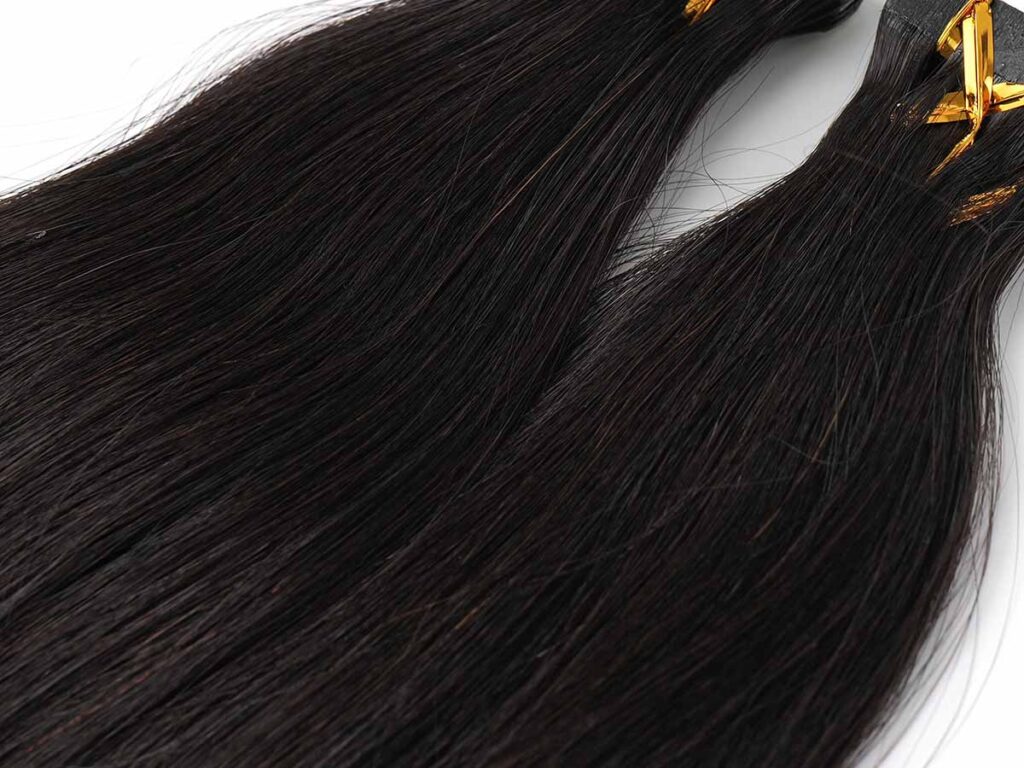
Not all strands react the same to the chemicals. That’s why you’ll often see red strands in this kind of affordable virgin hair.
And because the hair was colored to a darker shade of black, it takes longer to bleach out all that pigment. But the hair is already damaged, and there isn’t enough life left in it to keep bleaching that long. That’s why this type of hair usually only bleaches to color 27, and will typically end up overprocessed when attempting to go beyond that.
Yet vendors often come up with excuses for why the hair doesn’t bleach beyond 27. You’ll hear things like, “It’s from three donors, so it won’t lift,” or, “We can get better hair, but it comes from a
special place.” What it really means is simple: you don’t have great sourcing practices.
In Short: What You Should Know
This is what it comes down to.
Virgin hair is supposed to mean hair cut straight from a donor—never dyed, bleached, or chemically treated. But in practice, the label gets stretched. Most high-end “virgin hair” is actually steam-styled raw hair, which often involves light processing beforehand. While that technically disqualifies it from being virgin, it usually improves wearability without affecting quality. This kind of hair bleaches to 613, lasts 2+ years, and comes from real donor ponytails—so it costs the same as raw hair.
On the other end is “affordable virgin hair,” which is often processed floor hair. It’s made by collecting hair from many sources, aligning it artificially, then dyeing it darker to hide inconsistencies. That hair typically only bleaches to color 27, fades unevenly, and lasts 6–12 months at best. It’s cheaper—but not the same thing.
So when you see virgin hair, the real question isn’t just what it’s called. It’s how it’s sourced, how it performs, and whether the quality matches the price.
Frequently Asked Questions
These are the most common questions people ask when trying to figure out what is virgin hair and how to tell the good from the bad.
Virgin vs Raw Hair: What’s the Real Difference?
Raw hair is cut straight from a donor’s head—never processed or steam-styled. Virgin hair is that same hair, just steam-styled. Both belong to the same quality category, fall in the same price range, bleach to 613, and last 2+ years.
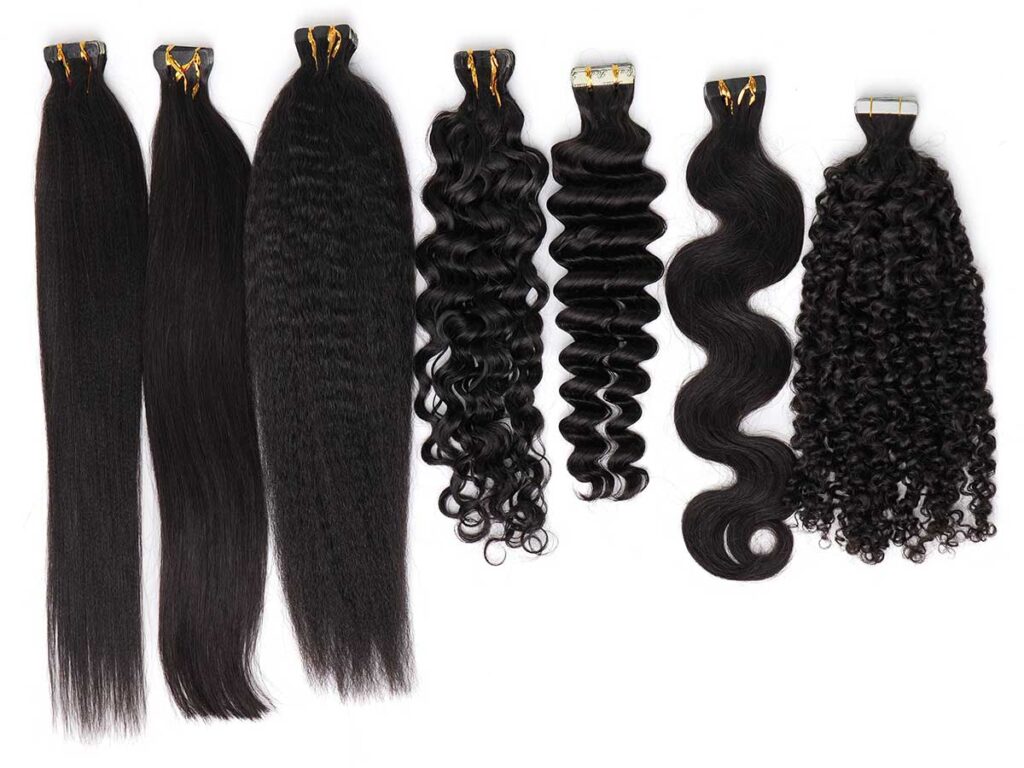
While virgin hair is just steam-styled raw hair, adding texture shifts the relative cuticle direction. That’s why it’s often lightly processed beforehand. Closures also require processing on the return hairs. So while virgin hair usually undergoes minor processing—technically lowering the label—it doesn’t lower quality. In most cases, it actually improves manageability.
This high-end virgin hair is priced the same as raw hair. So if you see “virgin” hair being sold cheaply, it’s not the same thing. That’s usually affordable virgin hair, which is processed floor hair. It might carry the same label, but it doesn’t belong in the same quality category.
How Can You Tell If Hair Is Virgin?
Virgin hair is steam-styled raw hair, so it should be healthy and in its natural color. If it’s colored or damaged, that’s a red flag. Use the acetone test or scraping test to check for dye. Frizz after washing also points to damage—another sign it’s not truly virgin.
Even when the virgin label allows light chemical prep before steam-styling or processing return hairs in closures, the hair should still be healthy and in its natural color.
Those details aren’t just technicalities—they reflect real quality. If the hair is dyed, it’s been chemically treated. If it frizzes badly after washing, it’s likely damaged from poor sourcing or over-processing.
So while minor processing can actually improve performance, visible color and damage are signs of lower-grade hair. That’s not just a downgrade in label, but in quality too.
Can You Dye Virgin Hair Extensions?
Yes, you can dye virgin hair extensions. Since they haven’t been colored or chemically treated, they take dye well and can bleach to light blondes like 613. If the hair only lifts to color 27, it’s not truly virgin and is most likely processed floor hair.
Why Does Some Virgin Hair Have Red Strands?
Too many red strands usually mean the hair isn’t truly virgin—it’s processed floor hair. During chemical processing, the hair’s natural melanin gets stripped, and sometimes unevenly. It’s then dyed darker, but not all hair responds the same.
While red strands can naturally occur in some Asian hair, they’re strongly correlated with hair quality. High-end hair typically has none—or the occasional one. Processed floor hair tends to have them consistently.
Does Steam-Styled Hair Count as Virgin Hair?
Not exactly. If hair were only steam-styled, it might still qualify. But in most cases, steam-styling is preceded by a mild acid bath—a chemical step that technically voids the virgin label.
This small treatment makes textured hair lower maintenance, since waves or curls shift the cuticle direction and can lead to snagging. The result? Hair that behaves better, lasts just as long, and still bleaches to 613—just without the “virgin” label. You lose the name, not the quality.
Is Virgin Hair Always From a Single Donor?
No. Virgin hair is almost never from a single donor. Finished bundles are typically sold in 100g weights, while real ponytails range from 30g to 180g. To build consistent bundles, hair from multiple donors is usually combined—and that’s completely normal for high-end virgin hair.
Quality only drops when mixing too many sources starts introducing color impurities or inconsistency. But combining hair from a few healthy, compatible donors doesn’t affect quality—and is standard even in the best hair.
Why Is Virgin Hair More Expensive Than Other Hair Extensions?
Because it’s steam-styled raw hair—and raw hair isn’t cheap to begin with. Steam-styling takes time, labor, and equipment, which adds to the cost. And since both raw and virgin hair come from real donor ponytails, they’re far more expensive than floor hair.
Still Have Questions? You can reach out directly via WhatsApp or iMessage at +86 135 3369 3283, or email cristina@bossique.com. Many of our most-read articles started as real questions on our Facebook page—join the conversation or ask us anything.