
When you think of the highest quality hair on the market, what labels come to mind? Raw Hair? Virgin Hair? Remy Hair?
If we look at the most common industry definition, “Remy” simply describes hair where all the cuticles are aligned in one direction. Because of this, hair cut directly from a donor is naturally Remy. That means all Raw hair is technically Remy. All Virgin hair is technically Remy.
So, if Raw and Virgin are the undeniable top-tier of the hair world, Remy Hair should be the pinnacle of quality too, right?
Here is the catch: If you look at almost any supplier’s catalog, their absolute cheapest, lowest-quality hair is also labeled “Remy.” How can the same word describe both the most expensive ponytail and the cheapest bargain bundle?
The answer comes down to how those cuticles got aligned in the first place: were they carefully cut directly from a donor’s head, or were they swept off a salon or temple floor and forced into alignment by a machine?
Table of Contents
True Remy Hair
At its core, “Remy” simply refers to the cuticles being aligned. The most straightforward way to get this is hair that is cut directly from a donor, where the strands are tied off before cutting to keep the cuticles facing the exact same direction they grew on the scalp.
Why is that cuticle alignment so important? Because hair with cuticles facing the same direction doesn’t tangle. If it doesn’t tangle, it doesn’t need to get processed. (Yes, the main reason factories chemically process hair in the first place is to prevent the tangling caused by cuticle misalignment).
By not processing it, you end up with high-quality hair that has minimal damage, keeps its natural strength, typically bleaches better to a #613, and can last for years.
The Asterisk: Why “True Remy” Doesn’t Always Mean Premium
Here is the first trap many buyers fall into: they assume that just because hair is cut directly from a donor, it is automatically high-quality hair.
Remember, the word “Remy” only describes the direction of the cuticles. It tells you absolutely nothing about the health of the hair itself.
Imagine a donor who works outdoors under the blazing sun every day, has a nutrient-poor diet, washes her hair in a river downstream from a chemical plant, and lives in an area with lice infestations. When a collector cuts her ponytail, that hair is undeniably 100% True Remy. The cuticles are perfectly aligned.
But is that hair strong? Can it hold moisture? And how fast will you get tired of explaining that those lice eggs are ‘definitely dead’?
So while you’re typically after Remy Hair, don’t let yourself be distracted by the True Remy label, as it’s not the only thing that matters.
Machine-Aligned Remy Hair
Hair cut directly from a donor is expensive. “Floor hair” isn’t. It is a collective term for hair that wasn’t kept cuticle-aligned. This includes unbound Indian temple hair, hotel shower drain hair, salon hair, or natural daily hair loss that people collect over time to sell for cash.
Because this hair doesn’t have aligned cuticles, it is by definition Non-Remy.
Left as-is, 100% unprocessed floor hair will quickly turn into a bird’s nest. But thanks to processing technologies, factories can turn it into affordable hair that isn’t an absolute nightmare.
The cheapest, nastiest way to fix it is an acid bath that completely strips the cuticles off. While that stops the tangling, it leaves the hair porous, heavily damaged, and with a lifespan of maybe 3-4 months (and that’s only if it’s heavily coated in silicone).
But factories have a smarter method to create higher-quality extensions. You know how a strand of hair feels smooth when you stroke it top-to-bottom, but rough when you go in reverse? There are non-remy-to-remy machines that use that exact friction to sort it. They feed the floor hair through, allowing the smooth hair to pass while kicking out the rough hair. With some made-in-China machines, trained workers, and elbow grease, you can mechanically force non-remy hair into remy hair.

Unfortunately, it doesn’t align 100% of the cuticles. It might get something like 98% (just guessing, because no one has the patience to check strand by strand). Still, that’s significantly less tangling than a 50-50 mix. In the hair industry, 98% is “close enough,” and “close enough” means it gets labeled and sold as Remy.
Why Machine-Aligned Hair Still Lacks Quality
If the machine gets it 98% right, why is it still considered lower quality? Because that remaining 2% of misaligned cuticles can still wreak havoc and cause severe tangling.
To fix that, the factory still has to chemically process the hair. They don’t strip the cuticles entirely, but they process it just enough to neutralize that rogue 2%. It requires a Goldilocks chemical bath: strip too much, and the hair is overprocessed and dead. Strip too little, and it still tangles.
Furthermore, a single bundle made from this type of hair could easily contain strands from 100 different girls. Because each strand has a slightly different natural shade of black, it all reacts differently to the chemicals. The factory ends up with an impure, muddy color. To fix that, they cover it up with a layer of factory dye to get a consistent, uniform black shade.
The result? The chemical processing cuts the hair’s lifespan down from years to about 6-12 months. Because of that processing and the factory dye, this hair absolutely cannot handle being bleached to a light blonde.
Telling the truth about processed floor hair might give you a “this is disgusting” feeling. But if you’re buying affordable hair, this is exactly what you’re getting. If you set your expectations right, it can actually be a great value for your customers.
Should it be called “Remy”? Probably not. But there’s no internationally certified hair dictionary we can all refer to. If our goal is to do business, understanding what suppliers actually mean will save you a lot of miscommunication and money. It’s the same way I get called “Christina” instead of “Cristina” about 80% of the time—people just use what they are used to.
Old habits die hard. Even though I spend my time teaching the accurate meaning of these labels today, 9 years ago I was taught that processed floor hair was simply called “Remy.” If I’m not careful, even I still fall back into that pattern.
Comparing Remy, Virgin, and Raw Hair
Now that you understand what Remy actually means, let’s look at the bigger picture. If you spend more than five minutes in any hair extensions-related social media group, you will hear “Remy,” “Virgin,” and “Raw” thrown around like interchangeable buzzwords to describe very distinct quality categories. They don’t.
Remy is a Prerequisite, Not a Premium Label
“Remy” has absolutely nothing to do with whether the hair is high quality, raw, or chemically fried. It strictly describes the physical alignment of the cuticles.
In true Remy hair, all the cuticles face the exact same direction (root to tip), which prevents tangling. But here is the catch: Remy is a prerequisite, not a premium label. Hair can be heavily processed, bleached to death, and still technically be “Remy” as long as those cuticles remain aligned.
The Reality of Raw Hair
The industry loves to sell the myth that Raw hair is 100% untouched and is the ultimate quality. The reality? As previously mentioned, quality is defined by the hair’s health, not by the raw hair label.
Furthermore, “untouched” isn’t always what you actually want. For example, if you make a closure with natural raw hair with intact and aligned cuticles, you have to ventilate each piece to a lace. There’s always that short piece that pops out on the return end, with a relatively reversed cuticle direction. This can be annoying as fuck, and that strategic sprinkle of chemicals can potentially reduce your complaints by 80%.
How Factories Abuse the Virgin Label
Traditionally, buyers think “Virgin” means chemically untouched hair that has only been steam-styled. That is often just a myth.
In modern manufacturing, steam-styling is almost always preceded by a chemical bath. Why? While the hair may be aligned top-to-bottom, adding texture changes the relative cuticle direction, making it easier to tangle with nearby strands. Nobody likes high-maintenance hair, and slight processing reduces complaints by a ton.
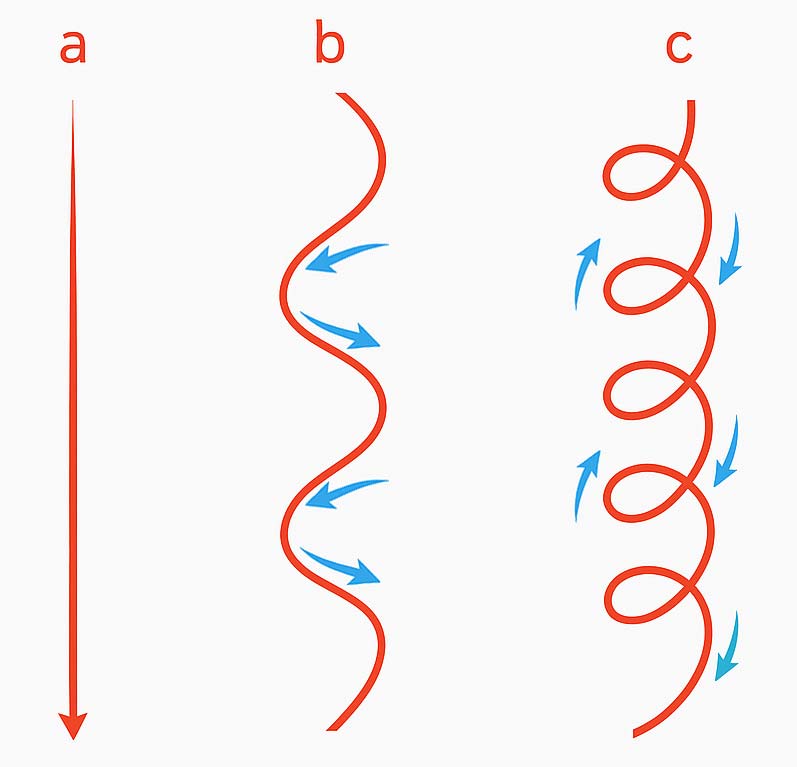
And while that makes virgin hair non-virgin… things get much worse. If you’re talking about virgin hair that’s cheaper than raw hair, it’s hair that is (or contains) chemically processed floor hair. “Virgin hair” just has a much nicer ring to it than “hotel shower drain hair partially dissolved in acid.”
So now we’re dealing with raw hair that isn’t high-quality, virgin hair that isn’t virgin in multiple ways, and remy hair that isn’t remy. Yeah… those labels are super useful.
👉 Want the unfiltered truth? We broke down exactly how factories manipulate this word, and how to spot the fakes, in our deep dive: What Is Virgin Hair—And Why the Label Is Often a Lie.
How to Know Which Quality Your Supplier is Actually Selling
If you ask a vendor, “Is this high-quality Remy hair?” they are always going to say yes. You can’t assume that their understanding of a certain hair label matches yours. Furthermore, suppliers know the exact buzzwords you want to hear, and they will sometimes slap whatever label is necessary on the package to close the sale.
To actually figure out what quality of hair you are dealing with, you have to stop asking yes-or-no questions and start asking for metrics. Stop asking about the labels, and ask questions like these instead:
- What is the absolute maximum color this hair can safely bleach to?
- What is the realistic lifespan of this hair with daily wear?
- What is the price for a 30-inch bundle?
The Lie-Detector Test: Let’s say the vendor swears up and down they are selling you “100% Premium Unprocessed Raw Virgin Remy.” But then you look at the specs: the hair only safely bleaches to a color #27 (honey blonde), it lasts about 9-12 months, and it costs $70 per 30-inch bundle.
Yeah, we’re talking about processed floor hair.
As high-end hair is expensive, the only way to make hair more affordable is by sourcing floor hair. The required processing reduces its lifespan to the <1 year range. And the additional coloring combined with the processing reduces the bleachability. Real, intact-cuticle hair that can survive being lifted to a #613 blonde and lasts 2+ years simply does not exist at a $70/30-inch price point.
The industry will always try to sell you the label. If you want to protect your business, stop listening to the names they call the hair, and start looking at the specs. The specs don’t lie. (Although vendors do lie about the specs, so always start with samples).
And now that you understand this…. don’t just hop onto the next set of marketing labels, like “single donor hair,” “hair from a few donors,” or the industry’s latest buzzwords. Stick to the basics.
The Bottom Line
At the end of the day, “Remy” is just a physical state of the hair cuticle—not a magical guarantee of premium quality. The industry has spent years weaponizing words like Remy, Virgin, and Raw to justify higher prices for chemically processed, low-lifespan hair.
Now you know the factory playbook. You know that cuticles need to be aligned to prevent tangling, but you also know that true quality is measured by bleachability, lifespan, and realistic pricing. Protect your business and your clients by ignoring the buzzwords and demanding the specs.
Stop falling for slick marketing. If you want a supplier who tells you exactly what you’re buying without the factory-floor fairy tales, we’ve got your back.
You can reach out directly via WhatsApp or iMessage at +86 135 3369 3283, or email cristina@bossique.com. Many of our most-read articles started as real questions on our Facebook page—join the conversation or ask us anything.
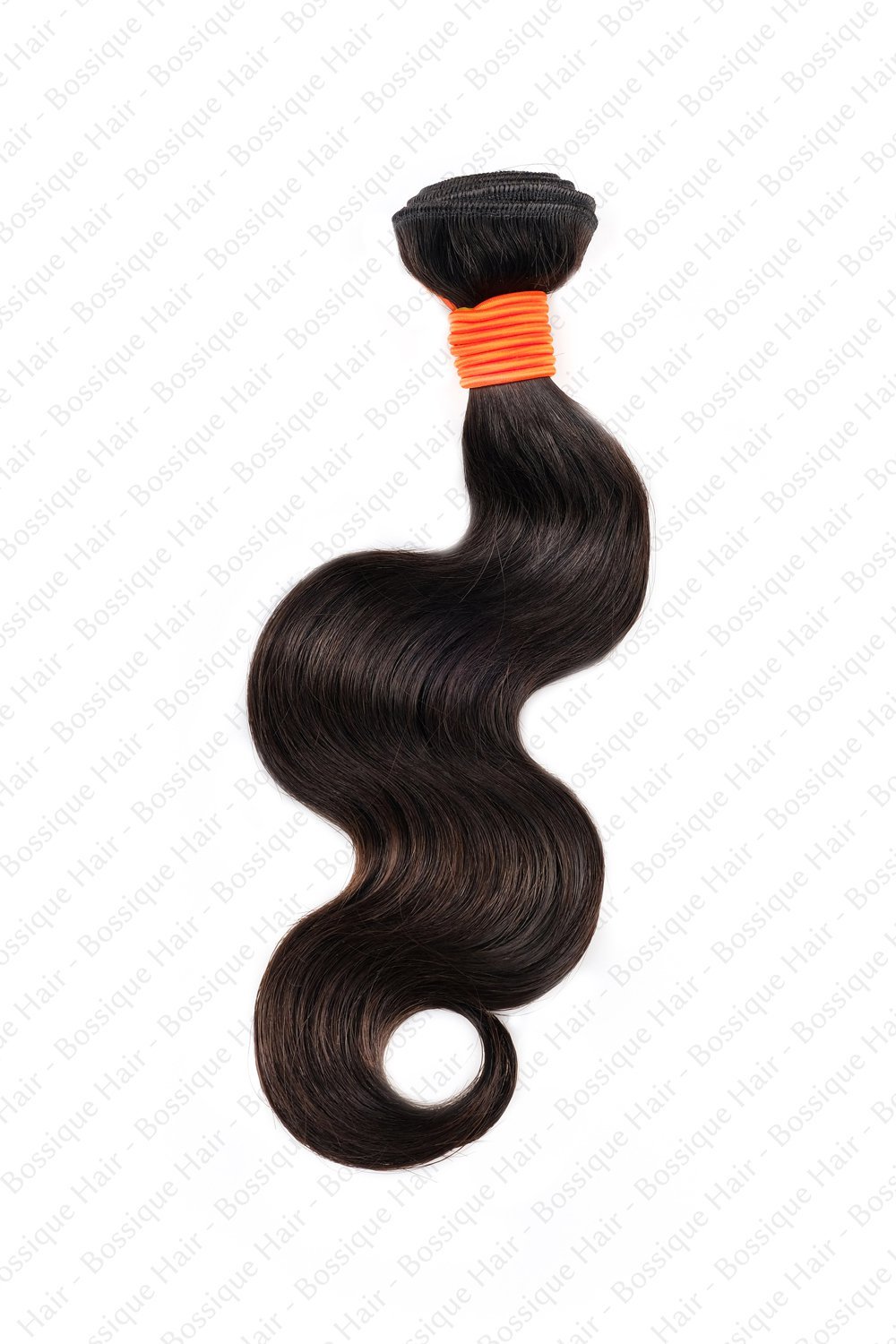
Orange Line Body Wave Bundles
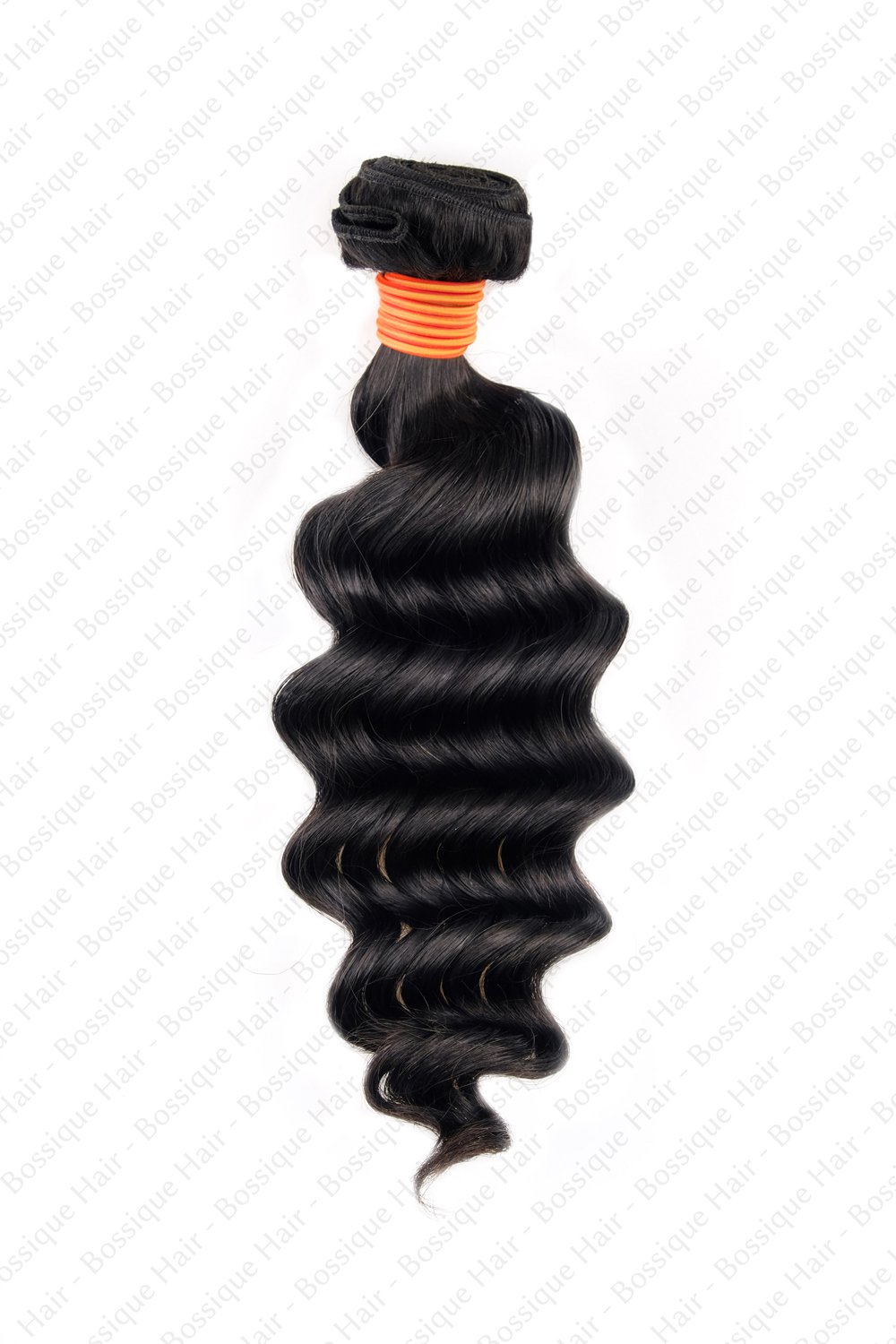
Orange Line Loose Deep Bundles
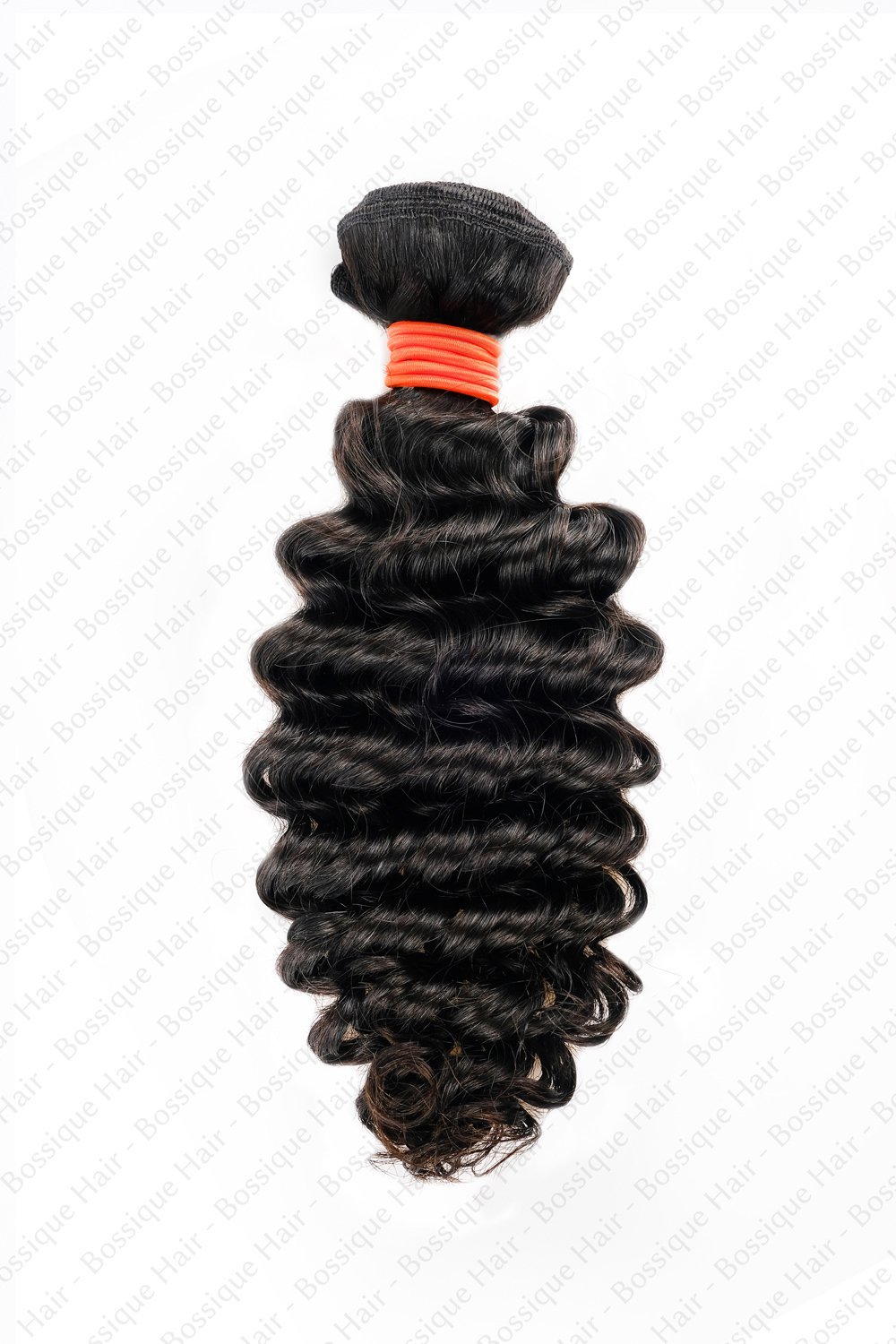
Orange Line Curly Bundles
4 thoughts on “What Is Remy Hair? Spoiler: It’s Not Always What You Think”
Comments are closed.