Are you feeling overwhelmed by the terminology surrounding “Virgin Hair”? In a market flooded with misconceptions, distinguishing between Raw Hair, Virgin Hair, and Remy Hair is essential for informed hair purchases.
Table of Contents
Understanding Cuticles: The Key to Hair Quality
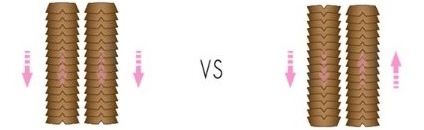
When assessing hair quality, it all boils down to the cuticles. Cuticles, located on the outer layer of hair, act as protective shields, much like shingles on a roof. Intact cuticles retain moisture within the hair shaft, categorizing the hair as either Raw or Virgin when intact.
Premium hair has intact cuticles, while lower-quality hair often displays damaged cuticles. But how does hair end up with damaged cuticles? The answer lies in how the hair was sourced and processed.
The Collection Process and Cuticles
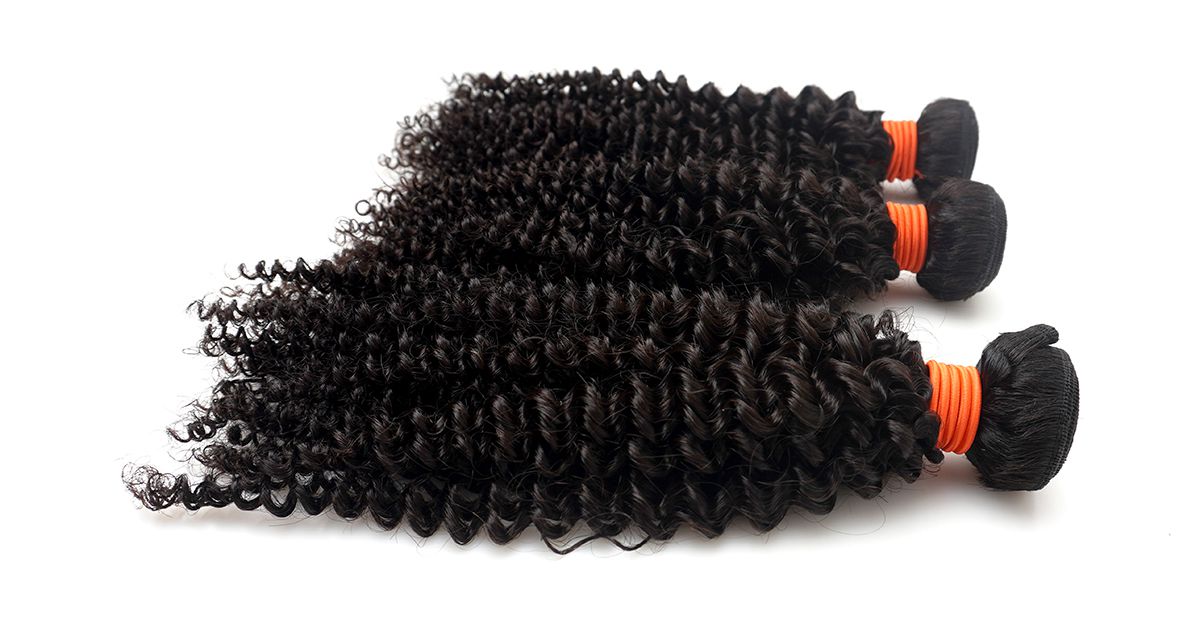
To comprehend this, let’s delve into the collection process. Some hair is sourced directly from donors or shaven from a head at a temple. The hair is bound up, and all cuticles remain aligned in the same direction. When cuticles are aligned, it’s referred to as Remy Hair. But even the labels Virgin Hair and Raw Hair can still be used to describe the quality accurately.
Deciphering Real Virgin Hair
True Virgin Hair is obtained directly from a donor’s head, resulting in aligned cuticles classified as remy. In China, we call this ponytail hair. It remains chemically unprocessed but can undergo non-chemical manipulation, such as steam styling, to create textures. In other words, Virgin hair is steam-styled raw hair.
Steam Styling and Minor Processing: Creating Long-Lasting Textures
However, Asian hair has a coarse texture and doesn’t hold textures well. It’s like trying to bend a steel pipe. Furthermore, curly hair has curls, and the cuticles of each strand in a curl are always in opposite directions. So it does require some minor chemical processing to create long-lasting tangle-free curly textures.
The steam-styling and minor chemical processing done to the hair have a minimal impact on the quality and only cause minimal damage. However, you may notice some differences due to the texture of your hair, as curly hair requires higher maintenance compared to straight hair. Steam styling uses very high temperatures, so your hair may feel a bit dry at first, but applying a deep-conditioning treatment can easily remedy this.
Once you know this, it means that virgin hair is virtually non-existent. So we must be a bit looser with the term and define it as “steam-styled raw hair.”
Why most Virgin Hair isn’t Virgin
But what about the term “Virgin Hair” in the market? Unfortunately, its definition has expanded to include floor hair with unaligned cuticles. These unaligned cuticles are later processed chemically to prevent tangling. Floor hair comprises strands collected from brushes, drains, or natural shedding, or obtained from Indian temples. Not all hair is bound before cutting, contributing to its unaligned nature.
If you notice a significant price difference between raw hair and hair labeled as virgin, the latter is likely processed floor hair. It’s crucial to be aware of these market manipulations when investing in hair extensions or wigs so you can make informed decisions.
Often, vendors labeling their products as Virgin Brazilian, Peruvian, or Malaysian hair are predominantly selling processed variants. Mostly Indian hair sold from China turns out to be processed hair marketed as raw. Even if it’s authentic Indian hair, it tends to be finer and less tolerant of processing.
Distinguishing Real Virgin Hair Traits
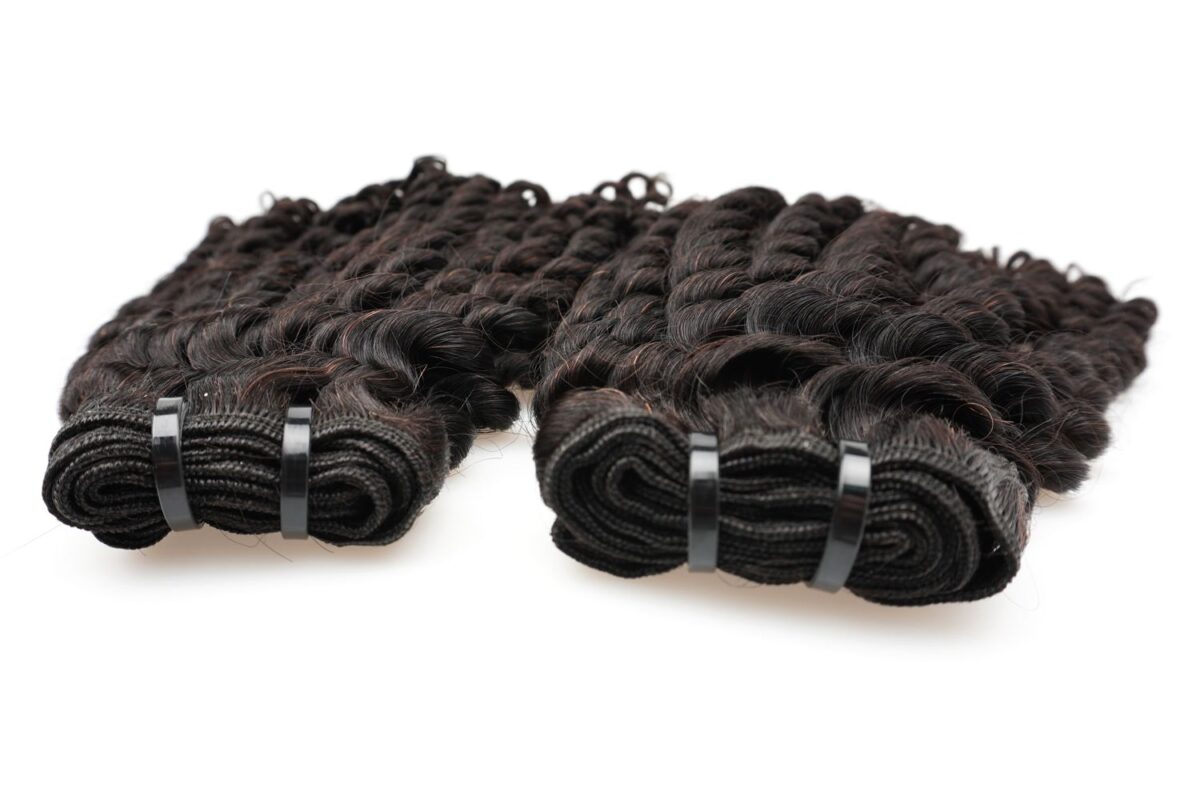
Identifying genuine Virgin Hair involves specific traits. Real Virgin Hair remains non-frizzy after washing, bleaches to very light colors while maintaining health and elasticity, comes in a natural color, and may contain white or gray strands. Processed Virgin Hair, on the other hand, tends to become frizzy upon washing and bleaches only to #27 relatively healthily. It’s often dyed to shades #1b or #1, effectively concealing any white strands, and may even display orange or “red fillers.” The presence of such hues is primarily a result of chemical processing, which affects melanin levels in the hair.
Understanding Hair Processing Methods
Hair processing typically occurs in two ways:
- Chemical Stripping: This method involves chemically removing cuticles from the hair. It’s cost-effective but renders the hair brittle and unsuitable for coloring or bleaching.
- Machine Alignment: The cuticles are aligned using a machine and then subjected to chemical processing for a smoother texture. While this method is more expensive, the resulting hair quality surpasses that of chemical stripping. It’s durable and responds well to coloring or bleaching. Overall, this hair type boasts higher quality.
The Significance of Hair Color: #27 vs. #613
When it comes to hair, achieving a bleached color of #613 is often seen as a mark of quality. However, a blend of processed and unprocessed hair can already achieve this color, and even hair that is marketed as “raw” is often of inferior quality but can still be bleached to #613 with relative ease. Genuine Asian raw hair may bleach more slowly, but it will still reach #613 while maintaining its natural health and elasticity.
It’s important to note that processed hair differs from raw or virgin hair and cannot be bleached to #613. While some people may be able to achieve this color with certain chemicals, the hair will likely lose its shine, become dry, and be prone to shedding. We don’t recommend bleaching processed hair beyond a color of #27.
The Remy Machine Alignment Process
If you’re curious about how the Remy machine alignment process works, Vesta Hair College offers an informative video demonstrating the technique.

In conclusion, differentiating between Raw, Virgin, and Remy Hair is crucial for making informed hair purchases. Don’t let misconceptions cloud your buying decisions. Understanding the nuances of hair quality will save you money and ensure you get the best product for your needs.
Our articles are designed to help you avoid bad purchases and save money. If you’ve found them useful and wish to support us, please consider a small donation. Your contributions will help us purchase better equipment, like a new camera, or even just a milk tea to keep us going! Thank you for your support!
Got any questions? Feel free to ask us! Got any feedback? Feel free to give us! Want to experience actual high-quality hair? Order our sample or bundles now!
WhatsApp: +86 135 3369 3283
Email: cristina@bossique.com
Facebook: https://www.facebook.com/bossique/
Frequently Asked Questions
What’s the difference between Virgin and Raw Hair?
While all Raw Hair is Virgin, not all Virgin Hair remains Raw. Raw Hair refers to unprocessed hair with intact cuticles, while Virgin Hair includes steam-styled raw hair, which undergoes minimal processing without losing its virgin classification.
How can I identify genuine Virgin Hair?
Authentic Virgin Hair doesn’t become frizzy when washed, bleaches to very light colors while maintaining health, comes in a natural color, and may contain white or gray strands. Processed Virgin Hair, in contrast, tends to become frizzy, bleaches only to #27, and is often dyed to shades #1b or #1, concealing any white strands.
Can processed hair be bleached to #613 like unprocessed hair?
Processed hair cannot be bleached to #613. While some chemicals might achieve this color, the hair will likely lose its shine, become dry, and shed. We recommend not attempting to bleach processed hair beyond #27.
How does the Remy machine alignment process work?
The Remy machine alignment process involves using a machine to align the cuticles of hair strands and then subjecting them to chemical processing for a smoother texture. This method is more expensive than chemical stripping but results in higher-quality hair that responds well to bleaching and coloring.