
Raw hair is often hailed as the gold standard for hair extensions, but is it really?
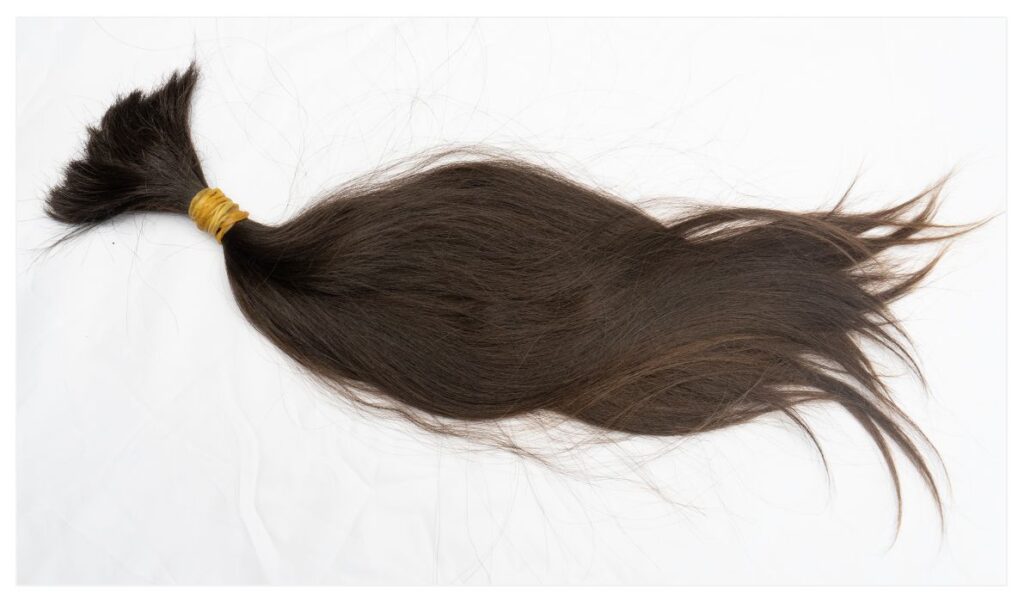
Table of Contents
Raw Hair: It’s Not as ‘Pure’ as You Think
Raw hair simply means hair that’s been cut from a donor and left completely unprocessed. But here’s the kicker: the label says nothing about the quality of the donor’s hair. What if the donor is in her forties, has lived a life of hardship, and never had strong or healthy hair genetics in the first place?
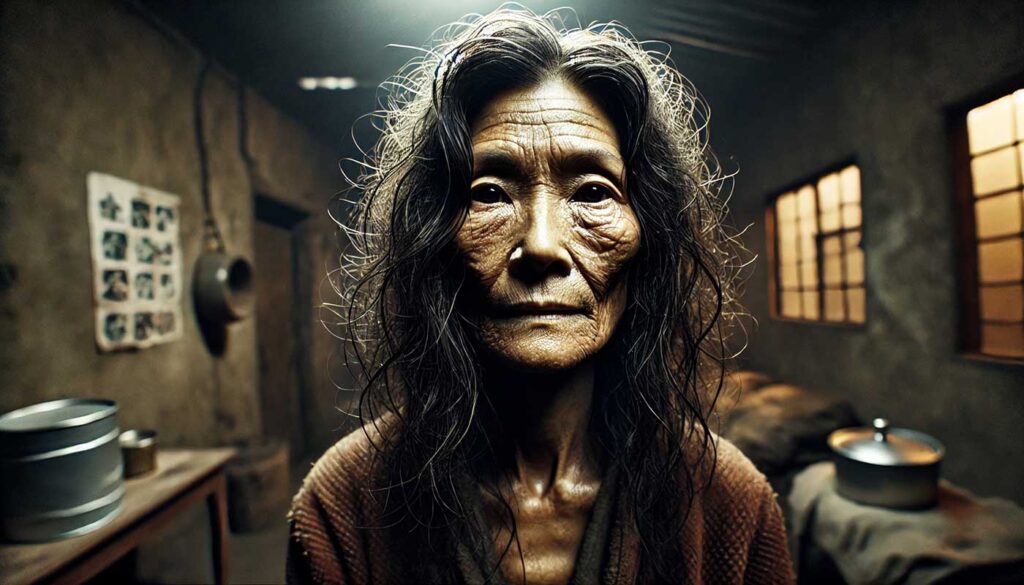
Or worse—what if she lives in squalor, rarely bathes, and her hair hasn’t seen a comb, let alone shampoo, in decades? Picture this: a donor with brittle, greasy hair, two teeth (one crooked), and a lifetime of malnutrition. Would you still think her raw hair is the “ultimate quality”? Probably not.
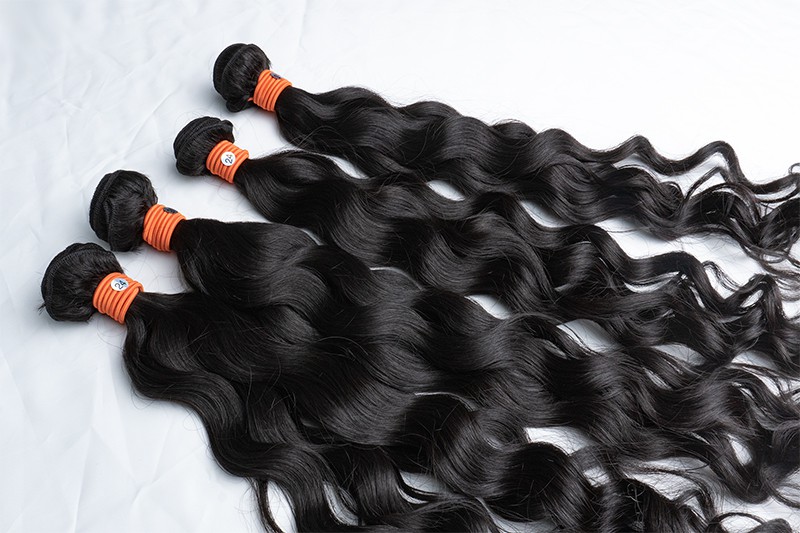
Now compare that to healthy raw hair that’s been steam-styled. By definition, it’s no longer considered raw—it’s labeled virgin. But the true measure of quality isn’t in the label. Healthy hair matters far more than whether it’s called raw or virgin, and steam-styling doesn’t diminish its quality.
And raw hair lace closures? They’re hand-tied with about 4 inches of return hairs, with cuticles pointing the wrong way. If those 4 inches aren’t processed, you’re left with closures that tangle faster than someone on Facebook asking, “Who’s XYZ’s vendor?”
It’s time to question what really defines quality hair—because the raw hair label isn’t the guarantee you think it is.
So, What Really Matters?
Let’s break it down:
Sourcing: Healthy Hair Is Key
The foundation of all quality hair extensions is healthy hair. Even if it’s cuticle-aligned and straight from the donor’s head, that doesn’t mean it’s in good condition. Sun exposure can cause UV damage, making hair weak and brittle. Chemical treatments like coloring or perms, along with heat tools, can further degrade its strength and texture. And then there’s genetics—some donors naturally have thick, shiny hair, while others struggle with thin, fragile strands and split ends, no matter how well they care for it.
Healthy hair is the starting point for high-quality extensions. Without it, even the most perfectly cut raw hair can’t meet the standards customers expect.
Sorting: Fewer Donors, Fewer Problems
Now for the juicy part: sorting the hair. Forget the “single-donor” fantasy—it’s marketing fluff. But the idea that fewer donors per bundle equals better quality? That part is true.
Here’s why: Hair bundles are made to a specific weight (around 100 grams) and balanced for how full or thin the ends look—that’s called the fullness ratio. Ponytails don’t naturally come in perfect weights or fullness, so manufacturers combine hair from different ponytails to create that consistent look.

For example, imagine a 30-inch bundle made from one 10-inch, one 20-inch, and one 30-inch ponytail. That’s hair from just three donors—easy to manage and blend. But more often, ponytails are sorted into piles by length. For simplicity, let’s say each pile contains hair from about 10 donors. Combine hair from these piles to hit that same 33-33-33 ratio, and your 30-inch bundle could end up with hair from 30 donors.
Managing consistency for three ponytails? Totally doable. Managing 30? Now you’re getting dangerously close to 50 shades of… black. An uneven shade of black hair extensions means the hair will need processing—often bleaching and recoloring—to achieve a uniform black shade. And that additional processing? It inevitably lowers the quality of the hair.
Shortcuts: Where Quality Takes a Detour
When manufacturers are picky about sourcing the healthiest hair, they’re more likely to use sorting methods that keep donor numbers low. Makes sense, right? If you’re already going the extra mile for quality, you’re not about to take shortcuts.
But when the starting material isn’t great, corners start getting cut. Suddenly, sorting methods with more donors seem “good enough.” Why? Because high-quality hair isn’t easy—or cheap—to source. And once you start compromising at the beginning, it’s a slippery slope.
The next shortcut? Mixing in floor hair—strands swept off the floor from who knows how many donors. Quality takes another hit. From there, it’s only a matter of time before the switch to fully processed floor hair happens.
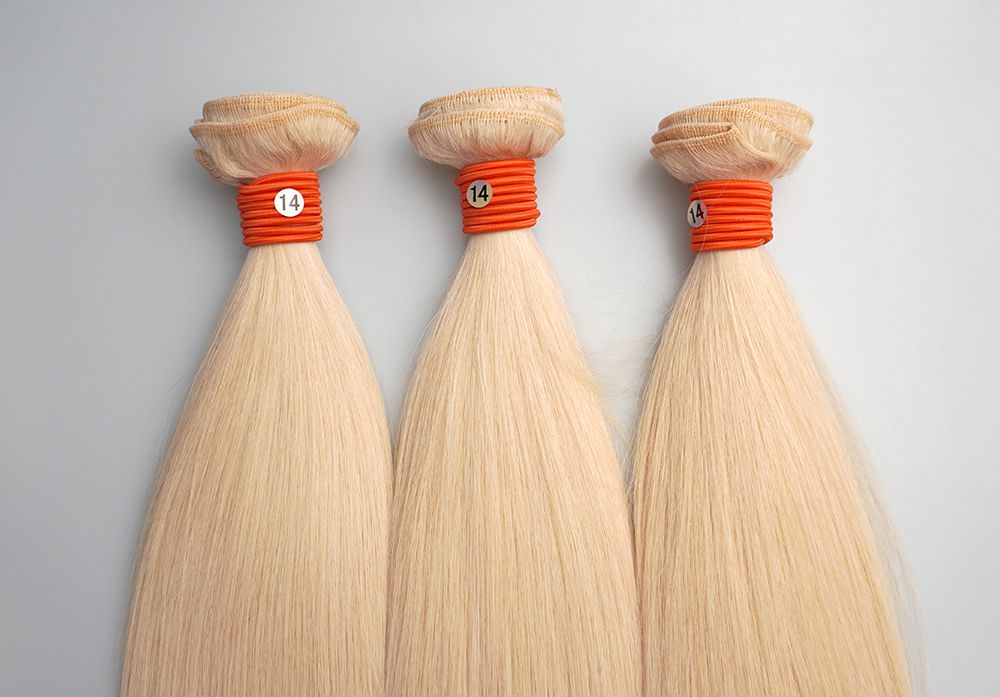
And here’s the kicker: every drop in quality changes the hair’s properties—and tests like the acetone test can reveal the truth. For example, if the hair isn’t from fewer donors, it’s likely been colored. The acetone test will expose that, and once it’s colored, it won’t bleach to a clean, healthy #613 blonde—so don’t even bother with the bleaching test.
When a factory works with subpar raw hair material, the bundles often take on a yellowish tone instead of the natural wheat-like shade you’d expect. Worse yet, the damage from low-quality hair and harsher processing methods leaves you with hair that frizzes at the first sight of water.
More donors mean more inconsistencies, which means more processing to fix those inconsistencies. More processing? That’s where quality takes a nosedive. It’s like a hair industry domino effect—each shortcut leads to bigger problems until the final product is miles away from what “premium” should mean.
The truth? Consistently great hair takes effort at every step. When that effort isn’t there, you’re left with a product that just doesn’t measure up.
Our articles are created to help you make smarter purchases and save money. If you’ve found them helpful, we’d greatly appreciate it if you shared them with your friends, family, or in your favorite online groups. Your support helps us reach more people and keep producing high-quality content.
Have questions? Contact us directly on WhatsApp or iMessage at +86 135 3369 3283, or email me at cristina@bossique.com. Many of our articles originate from discussions on our Facebook page. We’d love to hear from you!
The Hair Cheat Sheet
What Is Raw Hair?
Raw hair refers to unprocessed hair cut directly from a donor. While it’s often marketed as the best, healthy hair matters more for quality extensions.
What’s the Difference Between Raw Hair and Virgin Hair?
Raw hair is completely unprocessed, while virgin hair may be steam-styled but remains untreated with chemicals. Healthy hair, whether raw or virgin, is the real key to quality.
Why Does the Number of Donors in a Hair Bundle Matter?
Fewer donors mean better consistency in color and texture, reducing the need for processing. Bundles with too many donors often require bleaching or recoloring, which lowers quality.
Are Raw Hair Extensions Better Than Processed Ones?
Not necessarily. Healthy hair with minimal processing is better than raw hair from damaged or low-quality donors.
4 thoughts on “Raw Hair Is Overrated: Here’s What Really Matters”
Comments are closed.