
When it comes to hair quality, terms like “raw hair,” “virgin hair,” and “remy hair” dominate the conversation. But if your understanding stops there, you’re only scratching the surface.
The truth is, the people who truly understand hair quality—factory owners—rarely speak fluent English and seldom interact directly with clients. Meanwhile, hair vendor sales staff often operate with limited knowledge of quality themselves. Why? Because if they fully understood the ins and outs of sourcing and production, it would be far too easy for them to leave, start their own business, and take clients along for the ride. As a result, they primarily focus on delivering what clients request, without challenging or clarifying those expectations.
And then there’s you—fluent English speakers far removed from the realities of hair sourcing and production. Yet, you’re the ones defining what these marketing buzzwords mean, creating labels based on an oversimplified understanding of hair extensions.
If you’re ready to go beyond the surface and truly understand what makes the best hair extensions, keep reading.
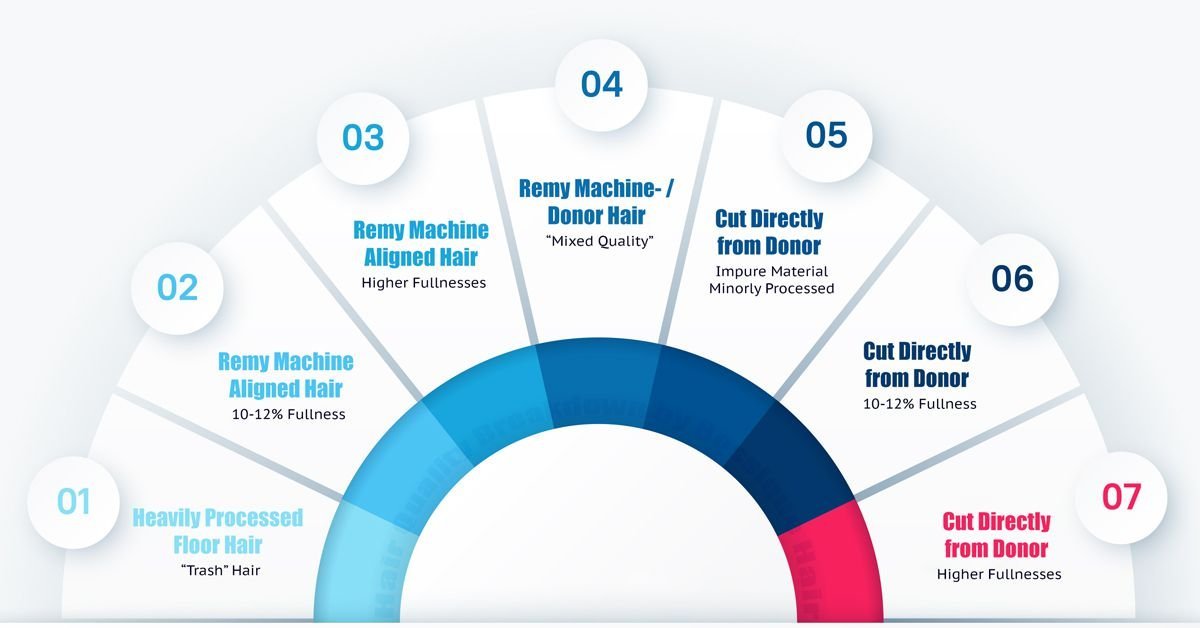
Can Marketing Tricks Fool You About Hair Quality?
- Vendor 1 markets their hair as “virgin hair.”
- Vendor 2 describes it as “chemically processed hair” and prices it $3 cheaper per bundle.
Which one do most buyers choose? The “virgin hair”—and they willingly pay more for the label.
Here’s the irony: most “virgin hair” on the market is chemically processed, but the term “chemically processed” carries a negative connotation. For some buyers, this difference in labeling is simply a lack of knowledge. For others, it’s about peace of mind—they’ll pay extra for a nicer-sounding label, even if it means overlooking the actual quality of the hair.
Pointing Fingers
But who’s really to blame for the confusion? It’s easy to point fingers at vendors for being dishonest, but the problem runs far deeper. The hair market is in chaos, driven by misinformation and marketing hype. Salespeople often lack the tools to educate themselves—they don’t speak fluent English, don’t research hair quality, and only know what their managers teach them. And buyers? Many are swept up in the illusion, trusting flashy labels over actual quality.
The result? A vicious cycle of confusion, where the truth about hair quality gets lost in translation—literally. If you want to break free from the marketing noise, it’s time to dive deeper and separate fact from fiction.
Hair Is Either Bianfa, Shunfa, or Paofa
Bianfa – Ponytail Hair
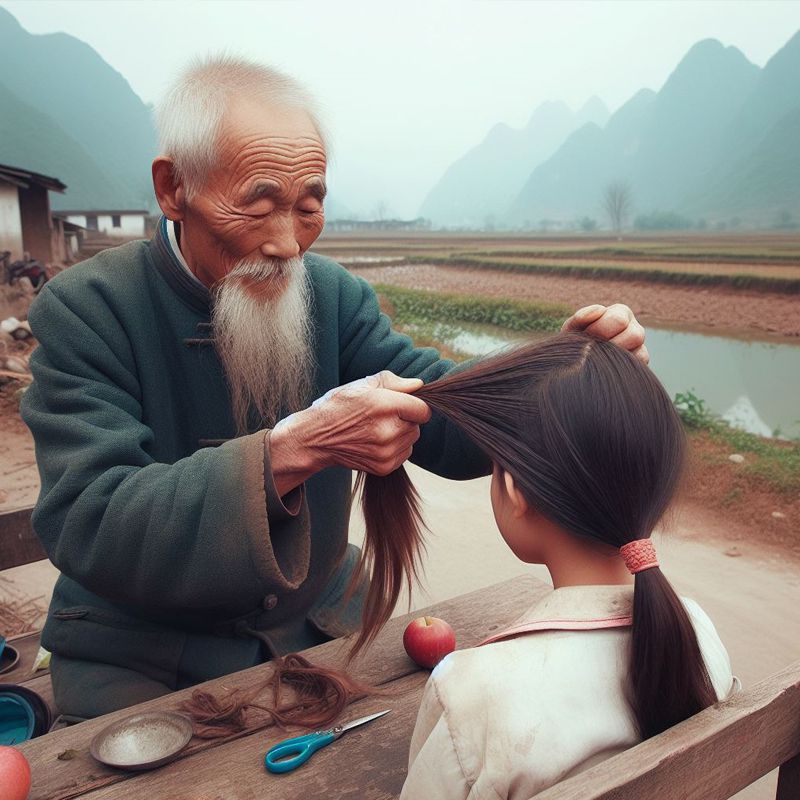
Shunfa – Smoothened Floor Hair

Paofa – Acid Bath Hair
Subcategories of Hair and Their Hidden Meaning
(Un)Processed Raw Hair
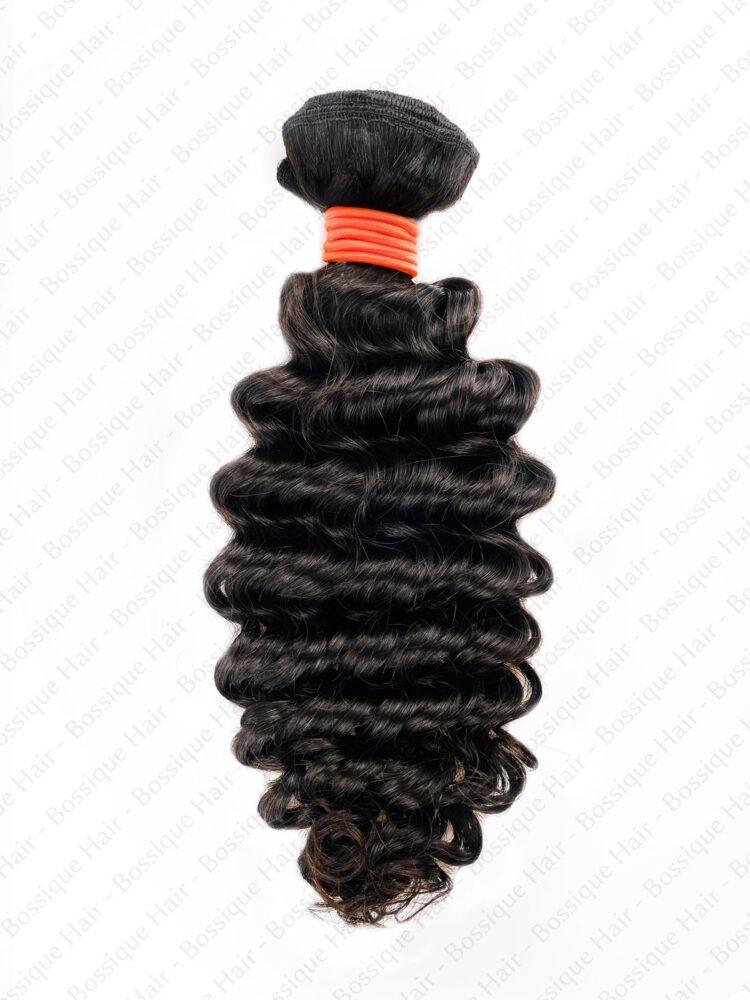


Raw Hair or Mixed Hair Quality
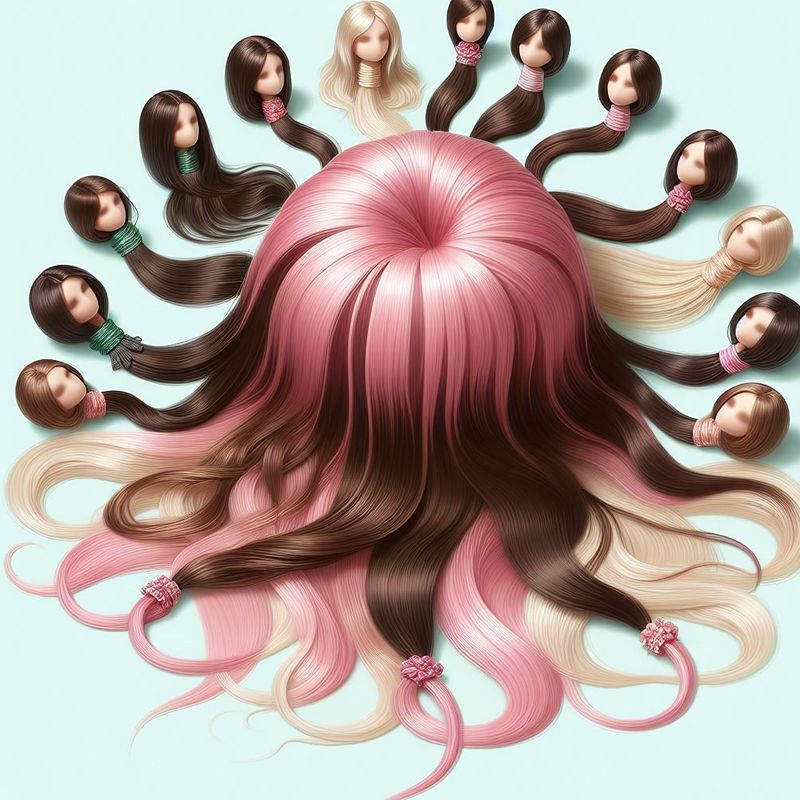
Virgin Hair or Processed Floor Hair
Many vendors claim to sell virgin hair, but here’s the truth: virgin hair is supposed to be the same quality as raw hair since steam-styling has almost no effect on the hair. So when vendors offer “affordable virgin hair,” what they’re really selling is floor hair—hair collected from the floor, aligned using a non-remy-to-remy machine, and then chemically processed.
It might sound scary, but this type of hair isn’t necessarily bad. If you’re not paying premium prices, you’re buying chemically processed floor hair. It can still be decent quality, and your clients might love it if you source good batches, but it’s important to manage expectations—it’s not high-end hair.
Since it’s processed, the hair loses some cuticles and thickness. Bleaching makes the hair thinner and weaker, sometimes to the point where elasticity is affected, causing the hair to break easily. Processing is a delicate balance: underprocessed hair tangles, while overprocessed hair becomes fragile and weak.
Why doesn’t it bleach lighter than #27? The hair is collected from different donors with varying shades of black, creating a “dirty” tone when mixed. To hide this, the hair is dyed an even black, but the coloring process makes it resistant to further bleaching.
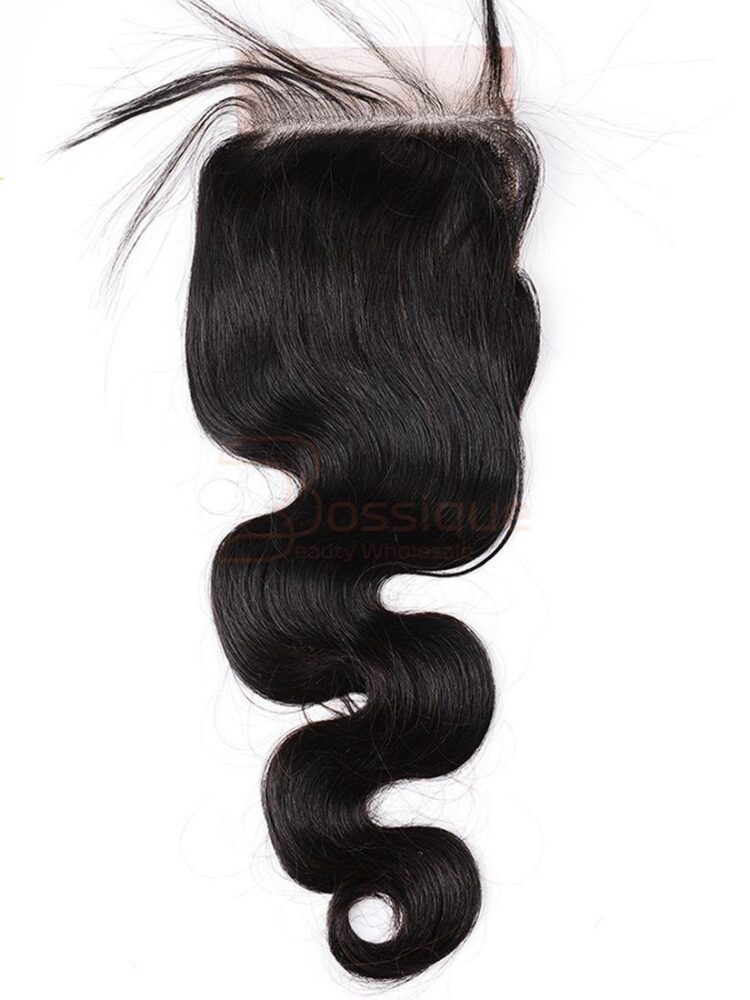
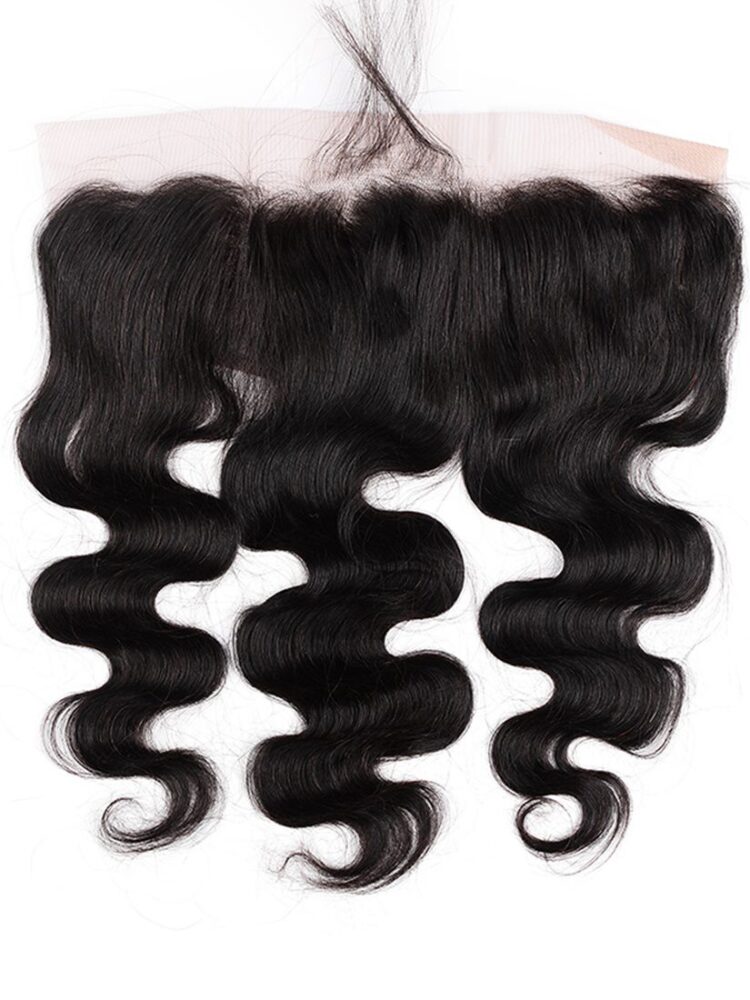
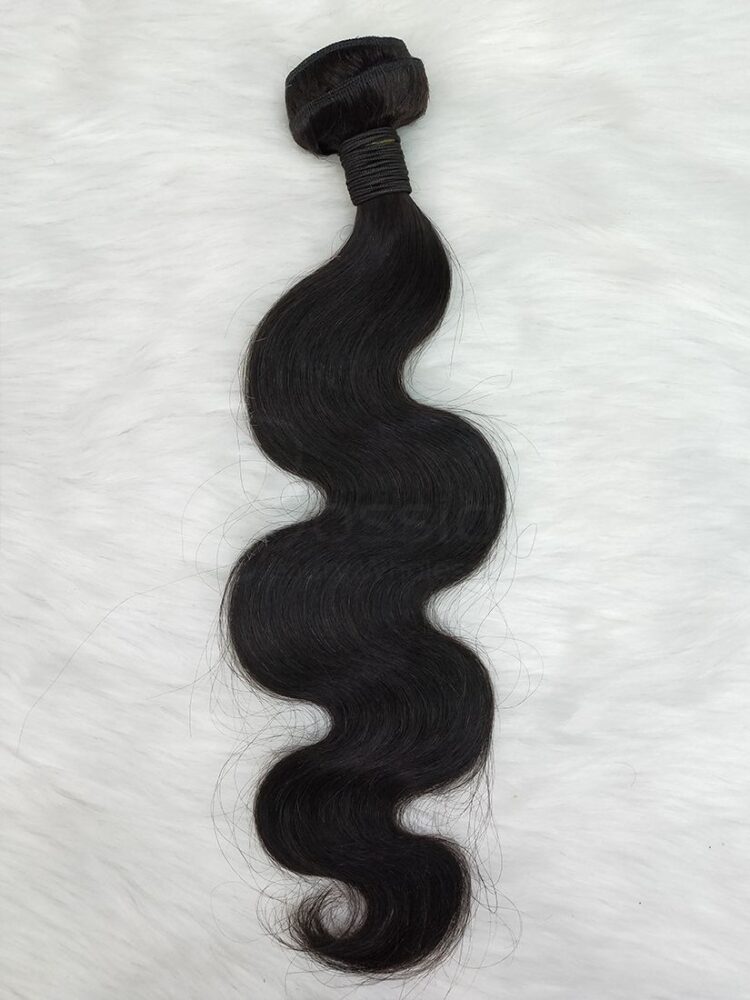
Trash Hair
Unbleachable Hair
The only type of human hair that doesn’t bleach is salon hair. This is a collective term for hair that was previously colored at a salon, and is thus saturated with dye.
Bleaching this type of hair won’t get you beyond a #4, no matter what you do. So, if you’re trying to bleach hair and it’s not working, you’re either dealing with salon hair or you’ve made an error in the process (and let’s be honest, mistakes happen to the best of us!).
Other Important Factors to Consider When Purchasing Hair
Single Drawn vs. Fuller Bundles
One of the most common complaints is, “This single-drawn hair has short hairs.” But that’s the whole point of single drawn—it means the bundle includes shorter hairs mixed in. So, it’s a bit of a facepalm moment when this gets called out as a flaw.
Now, if you buy a 24-inch single-drawn bundle from a Chinese supplier, what percentage of strands do you think are actually 24 inches? 20%? 30%? The supplier might claim it’s over 20%, but the reality is closer to 10-12%. This varies between suppliers, but ideally, you’ll find one that provides a thick middle section. Otherwise, the fullness drops off too quickly, making the hair look sparse.
If you want true 100% fullness for the best quality hair extensions, be prepared to break the bank. Even a bundle with 30% fullness is considered high-end and targets a premium market. For example, a 30-inch, 100-gram machine weft with 30% fullness can cost $150-$250, depending on the quality of the raw hair material. And don’t expect to find these ready-to-go—these are typically custom-made orders from China, as the demand is low, and the prices are steep.
This makes stocking such hair particularly expensive and risky. A pro tip? Buy bundles 2-4 inches longer than what you want to sell and trim those extra inches. The hair will look much fuller, and it’s a trick that many vendors already use for their regular hair.
Still, most of you might be thinking, “$200 for a 30-inch bundle? No way!” And fair enough, it’s a big investment. But there’s a market out there willing to pay these prices. Think of it like diamonds—they’re expensive, but there’s always demand because they’re seen as the best.
Take authentic Russian hair, for instance. You’ll pay at least $900 for 100 grams, even at wholesale prices. And while Russian hair isn’t necessarily “the best,” it’s finer than Asian hair, making it a better match for people with fine hair. Not everyone sticks to selling within the box—there’s always a premium market looking for exclusivity.
So whether you choose single-drawn or fuller hair, remember: there’s a buyer for every quality level, as long as you know how to target the right market.

Bundle Weight
For example, the picture below is from a company I used to work with. They used about 8 grams worth of rubber bands to make the bundle weight appear closer to 100 grams. They were fully aware of this tactic but always had a ready excuse: “The white rubber bands might leave residue in the hair, so we use the black bands underneath for extra security.”

Accurate Hair Length
Another common trick for cutting corners is misrepresenting the length of hair bundles. For example, the bundle below measures roughly 25.7 inches—close to 26 inches, but not quite. We sell it as 24 inches, but we could easily market it as 26 inches.
Considering the price difference between 24 and 26 inches is around $10 for our highest-quality hair, it’s tempting to stretch the truth. And many vendors won’t hesitate to do exactly that.
However, if you receive a bundle that’s slightly longer than advertised, you could trim an inch or two to create a much fuller, more appealing look. It’s a small adjustment that can make a big difference!

(Unpleasant) Smells
Even the highest-quality hair extensions can be ruined if they smell like a wet dog or corn chips. Unfortunately, some hair is notorious for having a corn chip smell, often caused by the hair being permed. Other odors can come from hair being dyed, chemically processed, or treated with hair products.
For instance, during steam-styling, certain products are used to protect the hair from heat. Later, additional products might be applied to make the hair feel softer and smoother. While some smells can be washed out, others may linger much longer.
It’s hard to describe exactly how good-quality hair should smell, but one thing is certain—you don’t want to be wearing hair that turns your stomach. If it smells unpleasant, it’s worth reconsidering.
Balancing Price and Quality
Finding the right supplier isn’t about chasing the cheapest hair or splurging on the most expensive. Paying more doesn’t always mean better quality, but paying too little almost guarantees bad hair. Yet, many clients skim price lists, dismiss a supplier as “too expensive,” opt for cheaper options, and then wonder why the quality is consistently low.
A smarter approach? Start with a reputable supplier on the higher end. Use their hair as a baseline to compare with other vendors. You might discover a cheaper option with similar quality—or you might realize that supplier already offers the best price for the quality you want, meaning it’s time to adjust your target audience instead.
When evaluating price, don’t forget the hidden costs. Manufacturers often take shortcuts to offer competitive pricing or boost profit margins. Price lists might not reflect PayPal fees, handling fees, or unusually high shipping costs, which can easily tack on an extra 10% to your total. By then, you might have been better off ordering from a different vendor altogether.
Hair That Can’t Hold a Curl
One common frustration is hair that just won’t hold a curl. Many people are otherwise happy with their extensions but struggle to maintain the curls they want. I can relate—my own natural hair has been professionally curled at a salon, only to straighten out completely within 24 hours. My hair isn’t low quality; it’s just coarse and doesn’t naturally like staying in a curled shape.
With the right techniques, you can make curls last longer. For example, keeping the hair slightly dirty before curling, using proper tools, and maintaining good hair care can significantly extend the life of your curls. Alternatively, instead of buying straight hair, consider hair that’s been steam-styled into a wavy texture. The extra bit of steam styling it has undergone might give the hair more grip, helping it hold curls better.
If you want hair that holds a curl more easily, consider buying processed hair. Because processed hair is slightly damaged by acid treatments, it becomes less stubborn and more willing to hold a curl. While processed hair isn’t as strong or long-lasting as unprocessed hair, it might be the solution for those who want curls that stay in place.
Preventing Shedding
However, shedding isn’t always about quality. Sometimes, improper hair care is part of the problem. Hair, especially curly textures, can tangle and stick together, requiring extra care. Unfortunately, many people try to resolve this by aggressively brushing, which only damages the hair further.
Avoiding Tangles
Tangles can be frustrating, but understanding their causes can help prevent them.
The worst tangles occur when the cuticles aren’t aligned. You’ll notice this when you wash your hair—if it turns into a chaotic mess, it’s almost certainly a cuticle issue. You can detangle it, but as soon as you wash it again, the problem will return.
If the hair starts sticking together during regular wear, resembling tangling, it’s often a sign of insufficient hair care. Proper maintenance usually resolves this.
Another cause is damaged hair, which becomes porous and struggles to retain moisture. Dry hair tangles more easily, but regular moisturizing can make a big difference.
Tangles in the nape of the neck are a nape of the neck problem. If you take an extension that’s tangling there and move it to your sides, the problem will completely disappear. This shows it’s an issue with that specific area, mostly caused by high friction, especially from pillows, (winter) clothes, and necklaces.
To Conclude
When it comes to hair extensions, knowing how to care for them can make all the difference. The sad truth? A lot of great products get unfairly trashed because people don’t really understand how to treat high-quality hair. You see it all the time in Facebook groups—someone’s bashing a vendor when, really, the issue might’ve been on their end.
Take one of our clients, for example. She complained her hair was tangling, so we had a video chat to figure out why. Turns out, she hadn’t washed it in over a month and wanted hair that didn’t need washing. Yep, you read that right. While chemically processed hair might let you get away with that, high-end hair with intact cuticles? It’s not magic—it needs some basic care to stay in great shape. Honestly, just a wash and some conditioner would’ve fixed everything.
Here’s the thing: most problems like tangling, dryness, or shedding are easy to avoid if you know what you’re doing. A little effort goes a long way. So, if you’re investing in top-quality hair, make sure that you’re aware of what you’re getting, and treat it like it deserves. Trust me, the results are worth it!
Our articles are created to help you make smarter purchases and save money. If you’ve found them helpful, we’d greatly appreciate it if you shared them with your friends, family, or in your favorite online groups. Your support helps us reach more people and keep producing high-quality content.
Hair Cheat Sheet
What Is the Difference Between Raw, Virgin, and Remy Hair?
Raw hair is cut directly from a donor with cuticles fully intact and aligned, making it the highest quality. Virgin hair is also donor hair but may have undergone steam styling, which doesn’t affect quality. Remy hair refers to hair with aligned cuticles, which both raw and virgin hair are.
How Can I Tell If Hair Extensions Are Unprocessed?
Unprocessed hair should pass the acetone test, have pure color, healthy ends, and no chemical treatments. It bleaches much slower than processed hair, taking 5-6 times longer, but can lighten beyond #613 while staying healthy. It has a coarser texture, a natural protein-like smell, and intact cuticles that maintain its quality.
What Causes Hair Extensions to Tangle?
Tangles often result from misaligned cuticles. You can test this by washing the hair—if it becomes a tangled mess, it’s likely a cuticle issue. Other causes include dryness from lack of moisture or high-friction areas like the nape of the neck. Regular moisturizing and proper care can minimize tangling.
Why Do Some Hair Extensions Shed More?
Shedding can occur when processed hair loses its natural elasticity, making it prone to breakage. Improper care, like aggressive brushing, can also worsen shedding. Using gentle detangling techniques and maintaining proper hair care routines can reduce shedding significantly.
Why Does Virgin Hair Only Bleach to #27?
Most affordable “virgin hair” on the market is actually chemically processed floor hair. It’s dyed black to hide inconsistencies, making further bleaching difficult. Genuine high-quality virgin hair bleaches lighter and maintains its health but comes at a premium price.
What Should I Consider When Choosing a Hair Vendor?
Don’t just chase the cheapest price—low-cost bundles often compromise quality. Start with a reputable supplier, compare their product as a baseline, and account for hidden costs like fees or shipping. Balancing price and quality is key to finding reliable hair extensions.
Why Don’t My Hair Extensions Hold a Curl?
Hair that doesn’t hold a curl is often coarse or unprocessed, which naturally resists shape changes. Processed hair, damaged by acid treatments, tends to hold curls better. To make curls last longer, keep hair slightly dirty, use proper tools, and consider steam-styled wavy textures.