
In today’s hair industry, consumers are bombarded with labels and terminology that promise the best quality and authenticity. From terms like “virgin hair” to “single-donor hair,” these labels often carry significant weight in the purchasing decision. However, many fail to realize that these labels can be misleading and ultimately set buyers up for disappointment.
Table of Contents
Why Chasing Hair Labels Can Lead to Misconceptions and Disappointment
Is it Raw or Virgin?
Facebook is full of posts asking: “Do you think this is raw or virgin hair?” The answer is: Steam-styling doesn’t really affect the quality, so it doesn’t matter. That’s when using the labels accurately.
The common misconception surrounding the term “virgin hair” is that its meaning has become diluted. Traditionally, virgin hair refers to hair that has never been chemically processed or treated in any other way than steam-styling. So virgin hair is steam-styled raw hair.
If the hair is not top-quality virgin hair, then what kind of “virgin hair” is it actually? It is chemically processed floor hair. Yes, you read that right!
Otherwise, what else significantly changes the quality of extensions? Why is some hair 40-50% cheaper than others? Is it from being from 3 more donors? Is that why it now only bleaches to #27 and no longer to #613?
It ultimately depends on how the hair was sourced and processed into extensions, rather than whether it strictly falls under the raw or virgin hair labels.
Steam-Styling
To further show how the term virgin hair fails to describe quality, we can talk about steam-styling.
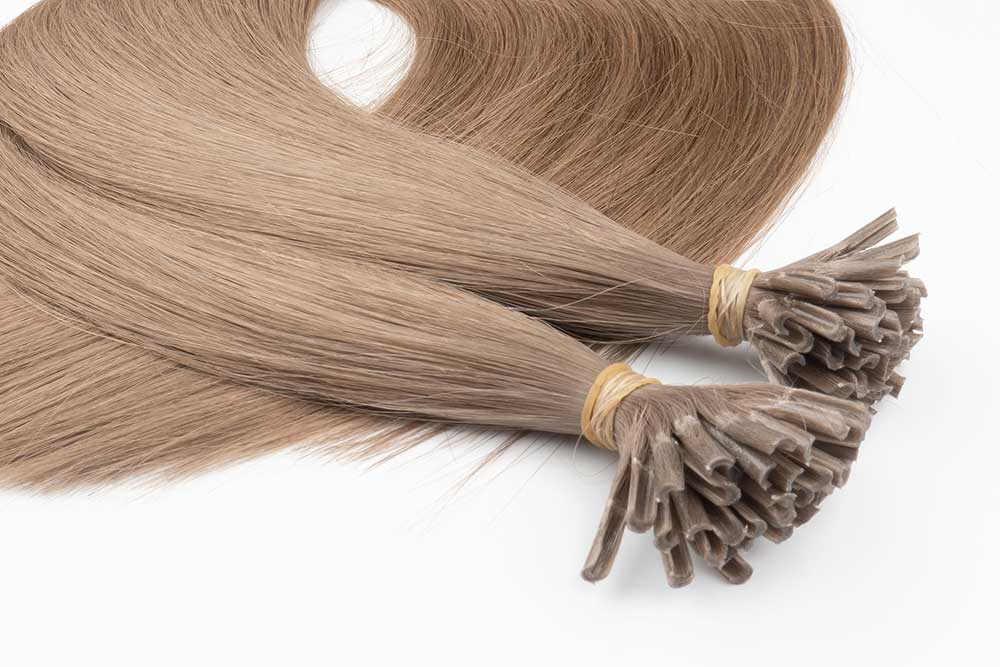
Hair extensions require more than just steam to create curly textures. Even when perfectly aligned from top to bottom, the alignment changes when curled in a pattern as they now move in a 360-degree direction.
Curly hair has fully intact cuticles, which can create tangling, making it high-maintenance. To make hair care more manageable, some hair cuticles are intentionally removed. Asian hair, which is naturally coarse, can be difficult to maintain when adding texture. By removing some of the cuticles, the added texture can potentially last longer.
TIP: A helpful tip for stylists who are struggling with hair that won’t hold texture is to begin with a slightly wavy texture, such as a body wave, rather than a straight texture. As it already came steam-styled, it’s easier for the hair to hold the desired texture.
And while we’re still talking about the highest quality possible curly bundles, the virgin hair label no longer applies. This just further shows how useless this label actually is when used correctly.
It’s unlikely for Asian girls to have naturally curly hair, so it’s safe to assume that any curly bundles they have were processed in some way and aren’t actually raw.
The Single-Donor Deception
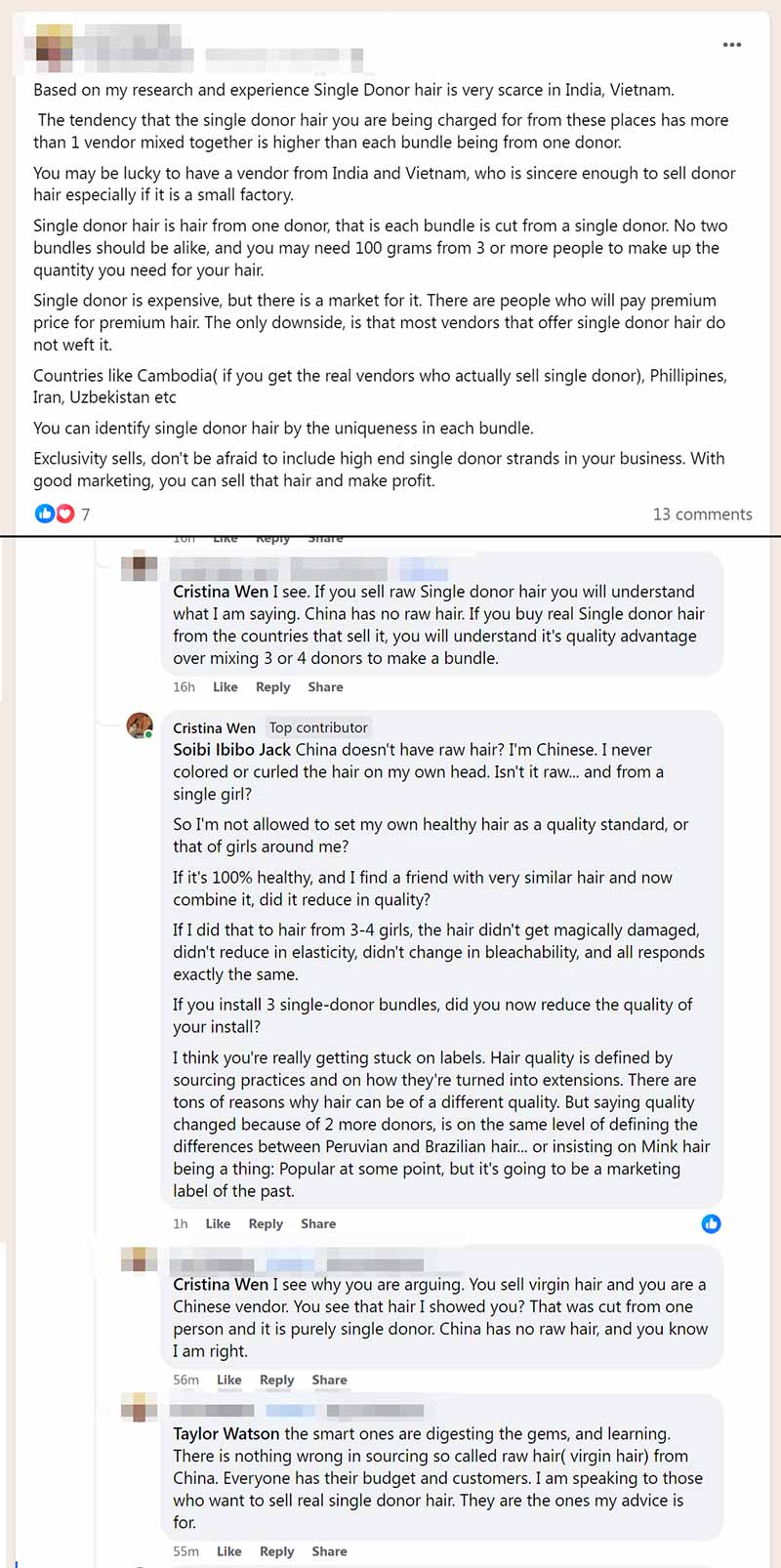
Similarly, the concept of “single-donor hair” has gained popularity in recent years, with many believing that hair sourced from a single donor is of superior quality. While it’s true that hair with fewer donors may have certain benefits, the truth is that it’s just marketing.
When hair is cut from girl’s heads, it comes in bundled-up hair: ponytails. Each ponytail has a different weight and a different amount of short hair.
Your hair bundles have a consistent weight of 90-100g and a consistent fullness ratio. For instance, in 20% fullness bundles, 20% of the hair is of the full length of the bundle, while the remaining hair comprises a certain percentage of short-length hair and a certain percentage of medium-length hair.
So, it’s obvious that producing consistent bundles requires hair from multiple donors. This is perfectly fine. If hair from 3 ponytails can bleach to #613, they can still bleach to #613 when combined into one bundle.
It’s not only the number of donors that determines the quality but also the sourcing of the hair and the production processes used to make the bundles.
Hair Origins
Hair Material
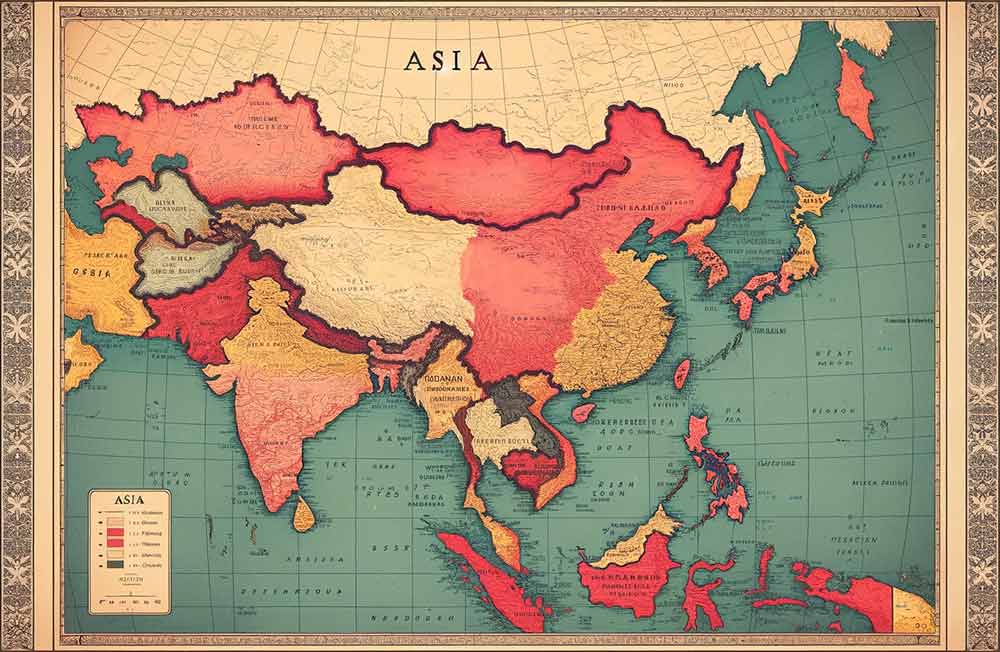
Some people are overly focused on hair from certain origins. But even when talking about “Chinese hair” alone, what really makes it Chinese?
China has a population of 1.3 billion people, consisting of 56 ethnic groups, with one of them being Russian.
Additionally, when Chinese manufacturers send lace and hair material to North Korea, North Korea often uses some of their own hair supply. So, “Chinese” lace closures quickly turn into a North Korean and Chinese mix.
But it’s even worse. Quality hair material is scarce, and it’s sourced from which origin it’s available. You could easily combine Chinese hair, Vietnamese hair, and Cambodian hair in a single bundle without anyone ever being able to tell.
Hair Production Practices
However, there are some differences. Indian women generally have more caucasian-like features than the typical Asian look. Hair follows a similar pattern, and wavy-like hair is more common. It shows some changes in hair structure, probably a flatter hair strand shape than typical Asian hair, where the dominant hair texture is straight.
But other than that? It’s more likely to be whatever they do in that factory rather than the origin of the hair material.
Those “naturally curly” extensions from India, Burma and Cambodia? All steam-styled made to look “naturally curly.” In China, we generally prefer that consistent look and offer a larger variety.
For processed floor hair, where in China we generally use a non-remy to remy machine, which aligns maybe 95% of the hair… we still give it a further acid bath to prevent tangles. I’ve heard from some manufacturers in Vietnam that they skip this process, probably causing processed hair to tangle more.
And why is Indian hair often dry and oily and only comes alive after washing? This is because the hair care process after production is not optimal, and they often use oil to make it look better.
Why is Bone Straight hair from Vietnam so popular? Processing hair and adding silicon creates a very desired look for many buyers.
All the differences are based on how the hair was sourced and produced rather than the origin of the hair.
So what does really matter?
Sourcing
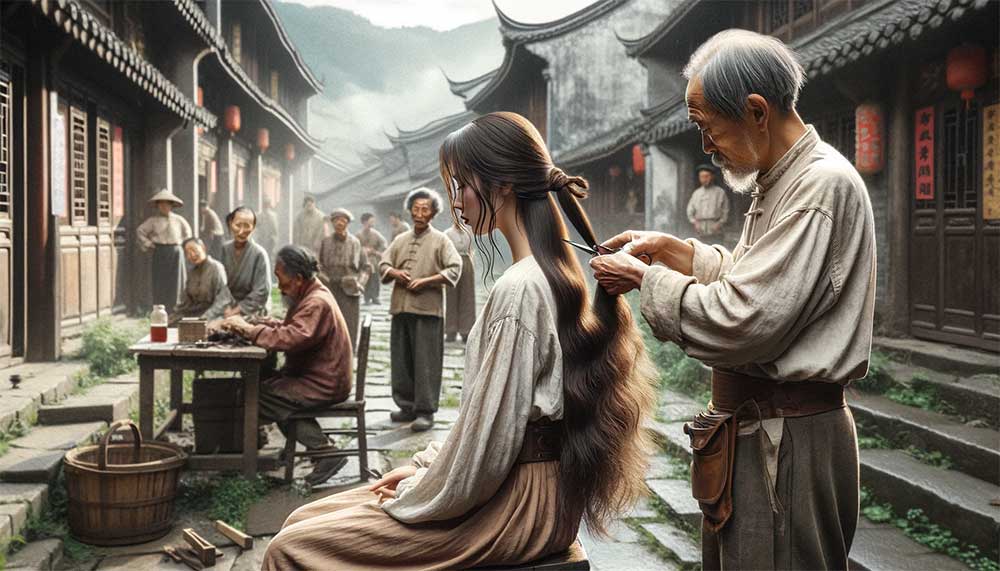
The first type of hair is cuticle-aligned hair that is directly cut from a girl’s head. However, the health of this material may vary. Some girls have been exposed to the sun for long hours, resulting in hair damage caused by UV radiation. Some may have dyed their hair at a salon, while others may have used heat styling tools, leading to damaged hair. Genetics also play a role, as some girls may have naturally healthy hair while others may have a lot of split ends and damage without doing anything to it.
The second category is floor hair. In certain regions, girls tend to have coarser hair than in others. If you consider an Indian temple where people of different backgrounds come together to donate their hair, you can imagine that the hair collected could be more diverse. However, the variety of hair might be less than the hair collected from a specific countryside region.
Sorting
There are various methods to sort cuticle-aligned hair. As previously mentioned, the idea of single-donor hair is merely a marketing tactic and is not actually a reality. However, there is some truth to the notion that having fewer donors is better than having more donors.
To simplify things, imagine 30-inch bundles made with 33% 10-inch, 33% 20-inch, and 33% 30-inch.
If a hair manufacturer receives hair material, they might sort it by putting all 10-inch ponytails on one pile, 20-inch on another, and 30-inch on another. Each pile may contain hair from multiple donors. If they combine these piles into a bundle, they may end up with a 30-donor bundle.
You can imagine it would be better to combine each individual ponytail to achieve that desired 33-33-33 ratio. This approach might result in having three donors.
The difference between 3 and 30 is massive. It’s relatively easy to manage the color of 3 separate ponytails and blend them together to achieve a uniform black shade. However, doing the same when dealing with 30 ponytails becomes significantly more challenging.
It’s common to see hair advertised as “raw” that actually comes from too many donors in a single bundle. This results in an uneven shade of black, which requires processing and coloring. Unfortunately, this process reduces the quality of the hair.
Why would manufacturers choose to use these sorting practices?” Well, obtaining high-quality hair material can be difficult, and if a manufacturer is dealing with anything less than ideal, they may choose to take more shortcuts. It takes a manufacturer with a strong quality commitment to produce high-quality hair consistently.
Other Choices
There are reasons why different types of hair look the way they do. Vietnamese bone straight hair, for example, has a unique appearance, as do Chinese textures and other styles from different countries. Additionally, some manufacturers produce low-quality closures, which is why some of them are not preferred. High prices of hair products are only sometimes due to vendors being greedy; there can be several underlying reasons.
It’s important to thoroughly investigate and understand the reasons behind the different types of hair available in the market, such as Raw Hair, Virgin Hair, Single Donor Hair, Indian Hair, Vietnamese Hair, and so on. Rather than settling for brief, surface-level explanations, make an effort to uncover more detailed and comprehensive answers. By delving deeper into the subject of hair, you’ll gain valuable knowledge and increase your chances of success in the industry.
Conclusion
In conclusion, the hair industry’s reliance on labels like “virgin hair” and “single-donor hair” can often lead to misconceptions and disappointment among consumers. These terms, while initially indicative of quality, have become diluted and misleading in practice. It’s crucial for consumers to look beyond these labels and delve deeper into the sourcing, sorting, and processing methods used in hair production. By prioritizing education and understanding, individuals can make more informed decisions and navigate the complexities of the hair industry with confidence.
Our articles are designed to help you avoid bad purchases and save money. If you’ve found them useful and wish to support us, please consider a small donation. Your contributions will help us purchase better equipment, like a new camera, or even just a milk tea to keep us going! Thank you for your support!
Thank you for taking the time to read this article. If you have any questions or want to learn more about the topic, please don’t hesitate to contact me at +86 135 3369 3283 (WhatsApp/iMessage). If you find this information helpful, please share it with your friends and family on Facebook. Together, we can spread knowledge and empower others to make informed decisions.
Frequently Asked Questions
Is single-donor hair superior?
While hair with fewer donors may have benefits, the concept of single-donor hair is often more of a marketing tactic than a reality.
What factors should be considered when choosing hair extensions?
Factors such as sourcing, processing methods, and sorting practices are more important indicators of hair quality than labels like “raw” or “virgin.”
Why does the origin of hair material matter?
The origin influences hair characteristics, but what truly matters is how the hair is sourced and processed into extensions.
What is the significance of steam-styling in hair extensions?
Steam styling affects the texture and maintenance of hair extensions, but it doesn’t necessarily indicate superior quality.
How does hair sourcing impact hair quality?
The sourcing of hair material, whether it’s directly from a donor or collected from various donors, plays a critical role in determining the quality of hair extensions.
What is the importance of sorting in hair quality?
Sorting plays a crucial role in hair quality, as having fewer donors can result in more consistent bundles and better overall quality.
Why is understanding hair terminology important for consumers?
Understanding labels like “virgin hair” and “single-donor hair” helps consumers make informed purchasing decisions and avoid misconceptions about hair quality.