
When shopping for hair extensions, be wary of bad hair extensions that might look great initially but quickly turn frizzy, dry, and straw-like after a few washes. This issue is especially common with lighter blonde shades like #60. Not only is it disappointing, but it also means you’ve wasted money on both purchasing the hair extensions and paying for their installation.
Here’s a simple but highly effective test you can perform to determine the quality of hair extensions. If they fail the test, you can still return the hair and get your money back.

Table of Contents
Why You Need a 30-Second Hair Extension Quality Test
Imagine this scenario: You’ve just invested $500 in new hair extensions and paid a stylist an additional $200 for installation. Initially, everything looks perfect. However, after a few washes, the hair becomes dry, starts to frizz, and begins matting. A few weeks later, it’s tough to pinpoint the cause. Was it something you did wrong in your hair care routine, or were the products you used not suitable for the extensions? By now, seeking advice online only leads to a maze of guesses about what might have gone wrong.
This frustrating $700 mistake could have been avoided if you or your stylist knew how to spot hair extension quality quickly. Recognizing high-quality hair takes just 30 seconds and can save you from significant disappointment and financial loss.
Understanding Hair Elasticity
Why Elasticity Matters
Elasticity is a key indicator of hair health. While some bad hair extensions might look and feel great initially, those qualities can be superficial and created through certain production techniques.
However, hair elasticity cannot be faked. If the hair lacks elasticity, it’s likely damaged, which makes it more porous and less able to retain moisture. This leads to issues like frizziness, split ends, tangling, excessive shedding, and a significantly reduced lifespan. In summary, bad hair extensions have reduced elasticity.

How Bleaching Affects Hair Quality
These extensions, which start out as naturally black hair from Asian donors, are subjected to intensive bleaching to achieve lighter shades. The lighter the desired shade, the more severe the bleaching process needs to be. This extensive bleaching can significantly damage the hair’s health and impair its ability to maintain elasticity.
Additionally, the quality of hair extensions is also influenced by the varying quality of hair from different donors, with not every donor having equally healthy hair growing out of their scalp.
Assessing Hair Extensions by Elasticity
The elasticity of hair extensions is a definitive test of their quality:
- Good Elasticity: If the extensions maintain their elasticity, they are likely in excellent condition. With proper care, such extensions could last over a year.
- Reduced Elasticity: Reduced elasticity might indicate suboptimal production practices or less careful hair sourcing. This condition could make the extensions less durable, but they may still be usable for 6-9 months if you’re not looking for a long-term solution.
- Poor Elasticity: Bad hair extensions that have lost significant elasticity. Investing over $200 in installation and $500 in purchasing such extensions isn’t advisable as they likely won’t last more than a few months.
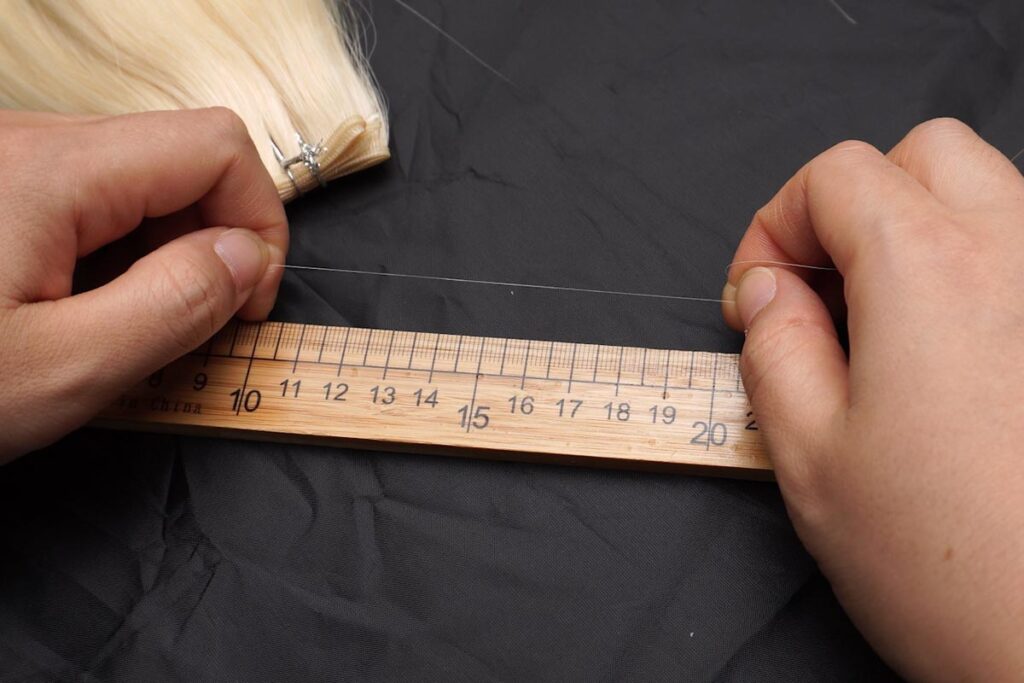
How to Perform the Elasticity Test
Performing the Elasticity Test
To conduct the elasticity test, select a single hair strand and twist it around your fingers to secure a firm hold. Gently pull on the hair and observe the response. High-quality hair will stretch without breaking, indicating good elasticity. Moderately good quality hair will not stretch as much but will remain strong and intact. Overprocessed hair will snap quickly, revealing its compromised state. For a visual guide, you can refer to the following demonstration video:

Interpreting Results:
- Great Hair Extensions: Elastic and strong.
- Good Hair Extensions: Strong enough, but with limited elasticity.
- Bad Hair Extensions: Tiny amount of stretch and snaps easily, indicating damage.
And in this case, we’re simply categorizing donor hair. For great hair extensions, I would recommend our LUX Quality. For more affordable hair extensions with lower MOQs, I’d suggest our Quality B extensions.
We also have processed floor hair, but it tends to break easily. Our Black Line offers some of the best quality in this category, and it’s still pretty strong in its natural black color. However, we avoid selling it as 613 blondes because the heavy bleaching required would cause the hair to break almost immediately.
Why Elasticity Matters More Than Other Tests
There are other ways to check hair quality. For example, damaged hair extensions often get frizzy after being washed. So, when you get hair from your supplier, you can wash it before using it.
However, if the hair fails the wash test and is considered used, returns become more difficult, and suppliers might be hesitant to accept it. A stretch test is a better option first, as it doesn’t damage the hair, allowing for potential resale if necessary.
If you’re buying from an Asian vendor, fullness doesn’t matter as much. For example, if you’re not happy with our 30% fullness, you can easily order 40% for your next order. However, your local brand usually sticks to one specific fullness, which makes them less flexible.
Experience Is Key: It takes a bit of practice to gauge the normal amount of stretch in Asian hair extensions. Regularly testing different hair samples can help you develop a sense of what is high quality.

Don’t let bad hair extensions waste your money and spoil your style. The 30-second elasticity test is a simple yet crucial step for anyone buying or installing hair extensions. By quickly identifying good from bad quality, you protect your investment and ensure satisfaction. Make this test a standard practice, and enjoy beautiful, durable hair extensions every time.
Our articles are designed to help you avoid bad purchases and save money. If you’ve found them useful and wish to support us, please consider a small donation. Your contributions will help us purchase better equipment, like a new camera, or even just a milk tea to keep us going! Thank you for your support!
Thank you for taking the time to read this article. If you have any questions or want to learn more about the topic, please don’t hesitate to contact me at +86 135 3369 3283 (WhatsApp/iMessage). If you find this information helpful, please share it with your friends and family on Facebook. Together, we can spread knowledge and empower others to make informed decisions.
Frequently Asked Questions
What Is the Elasticity Test for Hair Extensions?
The elasticity test involves gently pulling on a strand of hair to see how it stretches. Healthy hair will stretch, while damaged hair will break. Most hair extensions fall somewhere in between. This test allows for a quick quality assessment.
Why Is Testing the Elasticity of Hair Extensions Important?
Elasticity indicates hair health; it can’t be faked. If extensions lack elasticity, they’re likely damaged, leading to frizziness, tangling, and a shorter lifespan. Thus, extensions with reduced elasticity tend to be of lower quality.
What Does It Mean If Hair Extensions Fail the Elasticity Test?
If hair extensions snap quickly when stretched, it typically indicates that they are severely damaged and are of poor quality. Such extensions are likely to become problematic with use, leading to matting, tangling, and breakage.
What Should I Do If My Hair Extensions Fail the Elasticity Test?
If your hair extensions fail the elasticity test, consider returning them to the supplier if possible. If they’re already installed, consult a professional stylist for advice on possibly treating or minimizing damage to your hair.
Are There Specific Hair Extension Types That Are More Prone to Failing the Elasticity Test?
Heavily processed hair, especially when bleached to light blonde, is prone to damage and likely to fail the elasticity test. This is because low-quality hair requires stronger processing, which along with bleaching, can severely compromise the hair’s integrity.
6 thoughts on “Stop Buying Bad Hair Extensions: Do the Snap Test”
Comments are closed.